UK MEET Fellowship challenges journalists to look beyond AI hype
Journalists and digital content creators have been challenged to scrutinise claims about emerging technologies and demand evidence before presenting them to the public. The call was made on Monday, October 12, during the opening of the UK Media Excellence for Emerging Technologies (UK MEET) Fellowship in Accra. The five-day programme brings together selected media professionals […]
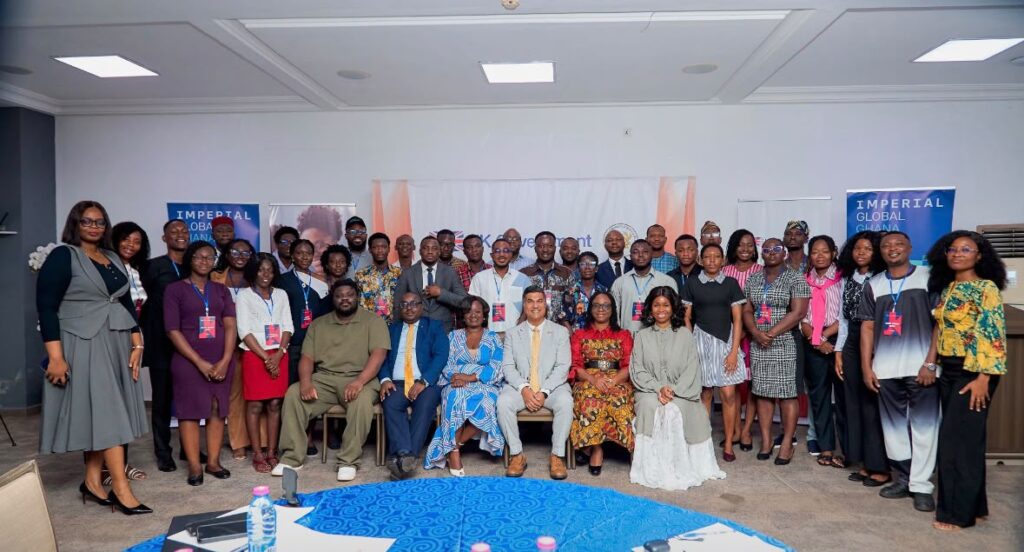
Journalists and digital creators were urged to question emerging technology claims and demand proof before reporting on them during the kick-off of the UK Media Excellence for Emerging Technologies (UK MEET) Fellowship in Accra. The five-day program aims to improve media professionals' abilities to differentiate evidence-based findings from exaggerated claims, particularly as artificial intelligence and other technologies become more common in healthcare, education, and other fields.
British High Commission representative Ryan Davies stressed the necessity of stronger ties between researchers and media professionals, stressing that accurate journalism is crucial for guiding the public through misinformation and comprehending the implications of scientific discoveries. On the first day, a fireside chat focused on artificial intelligence in healthcare, where Darlington Akogo, founder of Mino Health AI Labs, emphasized the difference between real-world clinical applications and marketing hype.
The conversation highlighted crucial questions journalists should ask when covering technological innovations, such as the evidence supporting developers’ claims, how tools perform in practice, and whether benefits can be independently verified. This is especially vital as AI systems are frequently promoted for applications that could affect people's health, education, and access to essential services.
Reporting on such advancements demands more than just explaining how a technology works; it also requires examining its reliability, limitations, and consequences for those who rely on it. The fellowship also emphasized the importance of making scientific knowledge accessible beyond academic and research circles. Director of the Ghana National Research Fund, Professor Abigail Opoku-Mensah, called for increased local investment in research and innovation, along with closer collaboration between journalists and researchers.
She stressed the significance of stronger domestic financing to build a sustainable research ecosystem and lessen long-term reliance on external support. The UK MEET Fellowship, delivered by Imperial College London through Imperial Global Ghana, is aimed at strengthening science, technology, and innovation reporting among journalists and digital content creators in Ghana and Nigeria.
The program will cover topics like artificial intelligence, climate risks, biomedical innovation, and the circular economy, with ten participants with the best pitches chosen for an educational visit to Imperial College London. The program's ultimate goal is to strengthen evidence-based journalism and ensure that public discussions about technological developments are grounded in facts.
Written by urgent.news from MyJoyOnline Ghana's reporting — not their text. Machine-written — may contain errors; check the original before relying on it.