Two US cities could soon ban one of the world’s most controversial foods
In November, voters in Washington, DC, and Denver will cast their ballots to decide whether their cities’ restaurants and grocery stores can continue to sell one of the world’s more controversial foods: foie gras. French for “fatty liver,” foie gras is made by briefly force-feeding ducks a corn slurry two to three times daily with […]
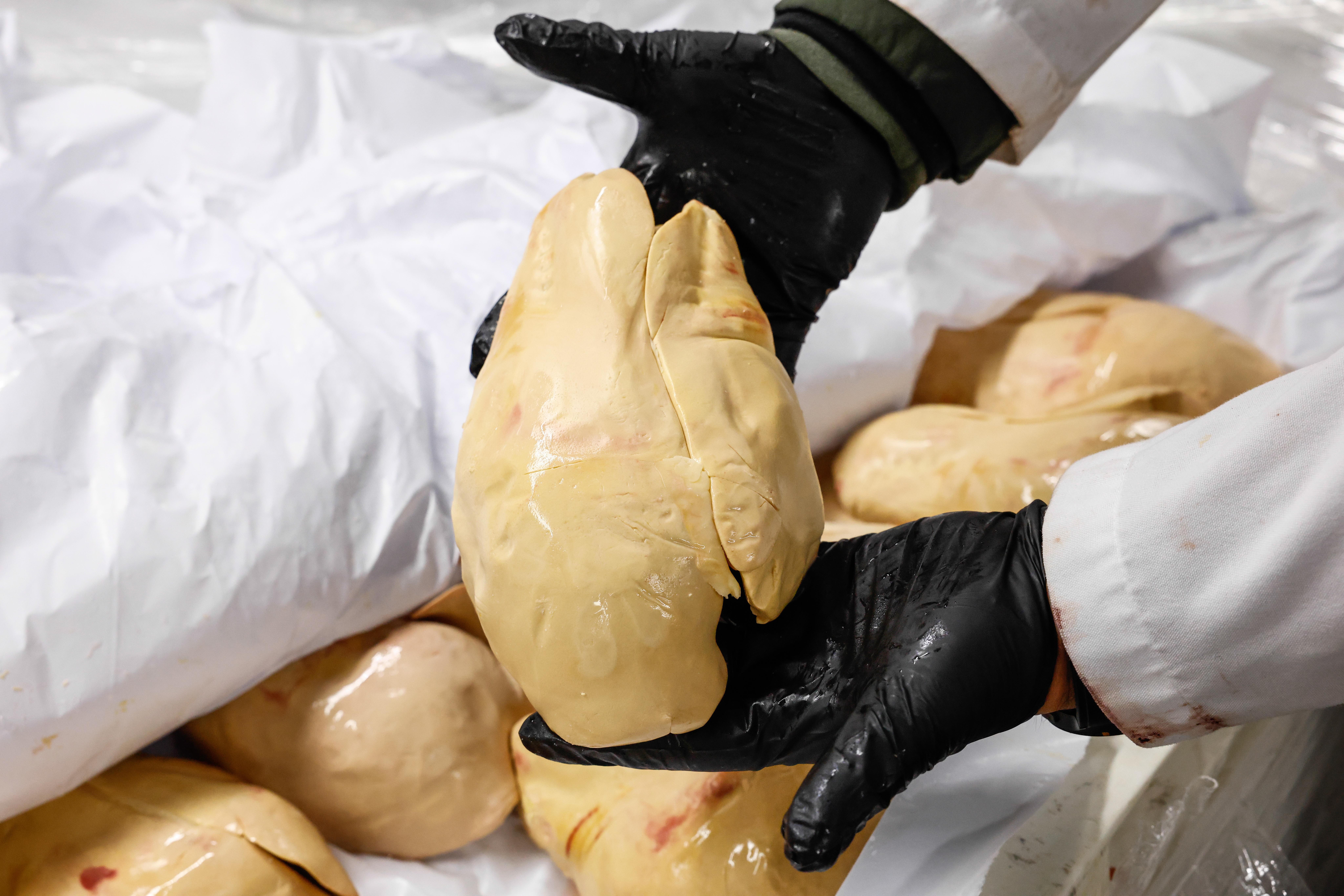
Washington, DC and Denver will soon decide whether to ban foie gras, a delicacy made from the fattened livers of ducks. This controversial practice involves force-feeding ducks corn slurry twice or thrice daily for the final two to three weeks of their lives, causing their livers to enlarge to six to ten times their natural size. While proponents argue that ducks' unique physiology enables them to handle the force-feeding without harm, animal welfare advocates argue that the practice is cruel and inhumane.
Research published in the journal Animals indicates that force-feeding creates substantial welfare risks through repeated restraint and tube insertion, possible injuries to the upper digestive tract, progressive liver enlargement, altered hepatic function, increased metabolic heat load, and impaired mobility. Forced feeding also leads to overweight ducks, difficulty moving around, increased internal heat production, and impaired breathing.
Despite these concerns, some foie gras producers, like Hudson Valley Farms in upstate New York, claim that their ducks are healthy and well-treated. However, an investigation documented ducks confined in small pens with no bedding, unable to move or escape the force-feeding process. Hudson Valley Farms maintains that the force-feeding process is slower and less stressful than in other parts of the world, but the welfare concerns remain significant.
Animal rights advocates see a potential ban in Washington, DC as an opportunity to end what they call a "uniquely cruel" practice. DC has more foie gras-serving restaurants than almost anywhere else in the US, making it a unique test case for animal welfare reforms.
Written by urgent.news from Vox's reporting — not their text. Machine-written — may contain errors; check the original before relying on it.