These Infections Are Linked to 12% of New Cancer Cases
A recent report finds that pathogens contribute to a significant number of cancer cases.
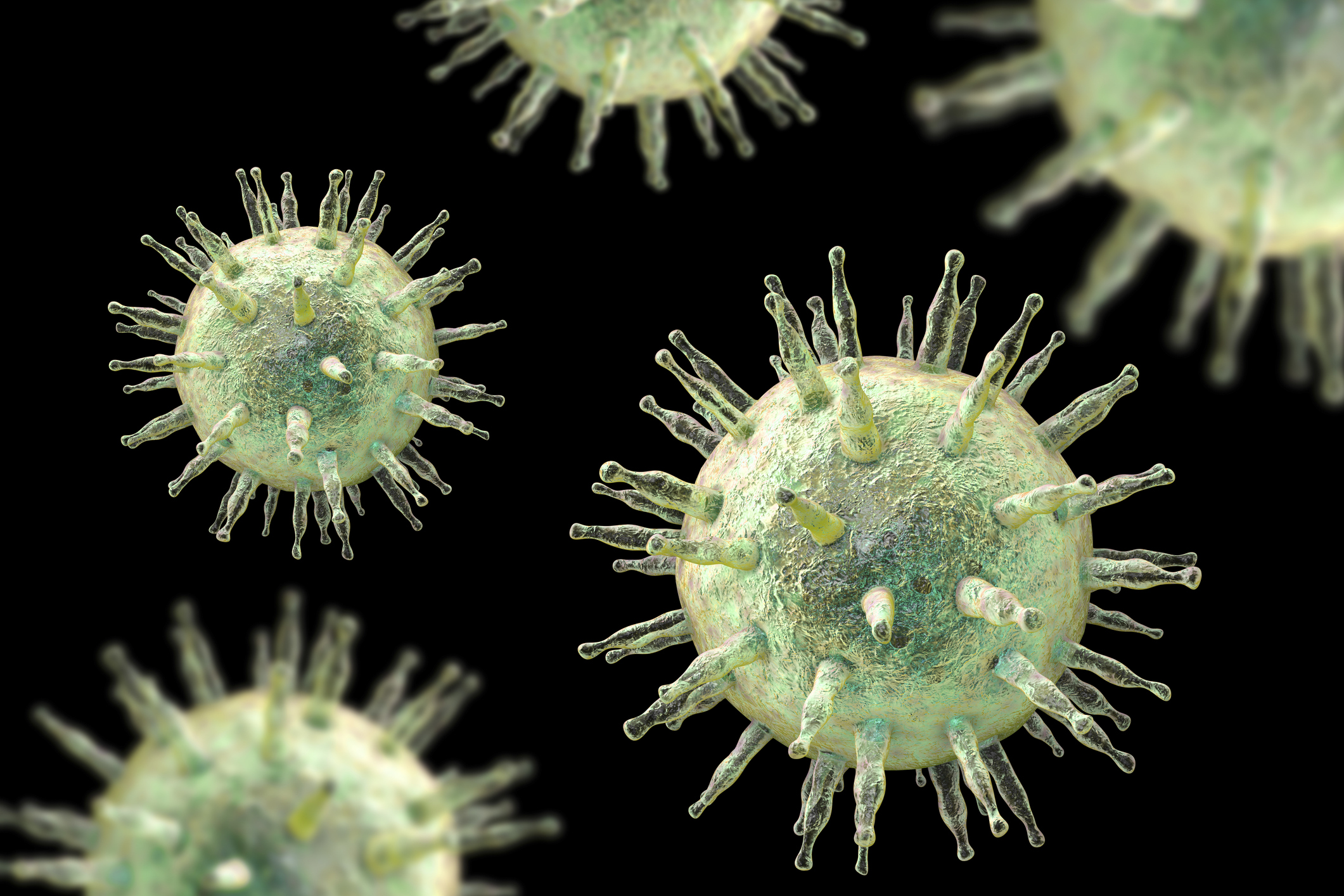
Cancer is often the result of genetic mutations combined with a person's genetic predisposition and exposure to various DNA-damaging factors. However, infections also play a significant role in causing cancer. A recent report from the World Health Organization’s International Agency for Research on Cancer (IARC) found that 12% of new cancer cases in 2024 were caused by 12 specific infections.
Among these, human papillomaviruses (HPV) account for the majority of cervical cancers and several head and neck cancers, responsible for about 4% of new diagnoses in 2024. Hepatitis B and hepatitis C infections are linked to 2% and under 1% of new cancer diagnoses, respectively. Helicobacter pylori, a bacterium that infects the stomach and small intestine, is associated with around 4% of new gastric cancer cases.
Epstein-Barr Virus (EBV), which causes mononucleosis and affects over 90% of the global population, contributes to approximately 1% of new cancer diagnoses, including lymphomas, nasopharyngeal cancers, and gastric cancers. Besides these, HIV also poses a cancer risk. While not everyone infected with these organisms develops cancer, there is typically a delay of several years before cancer occurs.
In some cases, such as nasopharyngeal cancer in China, genetic predisposition and environmental factors may also contribute. The exact mechanisms by which these infections cause cancer vary. HIV weakens the immune system, allowing other carcinogenic viruses to replicate. H. pylori causes tissue damage and produces toxins that disrupt the body's normal control of cellular growth.
With EBV, the virus hides within immune cells called B cells, obstructing normal cellular housekeeping processes that would eliminate the virus and prevent cancer development. Some of these infections have treatments, such as clearing H. pylori with antibiotics to reduce the risk of gastric cancer, and treating HIV to lower the risk of cancer from the infection.
Additionally, vaccines exist for certain infections, like the hepatitis B and HPV vaccines, which were developed primarily for cancer prevention. The widespread use of these vaccines could lead to reduced cancer rates in the future. However, access to vaccines remains a challenge, as seen in the declining rates of hepatitis B vaccination in newborns in the U.S. For infections without vaccines, such as EBV, there is still a need for effective prevention strategies.
Researchers are exploring the development of vaccines for viruses like EBV, particularly in light of its potential link to autoimmune disorders like multiple sclerosis. Despite the challenges, the latest findings may stimulate further research and development in this area.
Written by urgent.news from Time's reporting — not their text. Machine-written — may contain errors; check the original before relying on it.