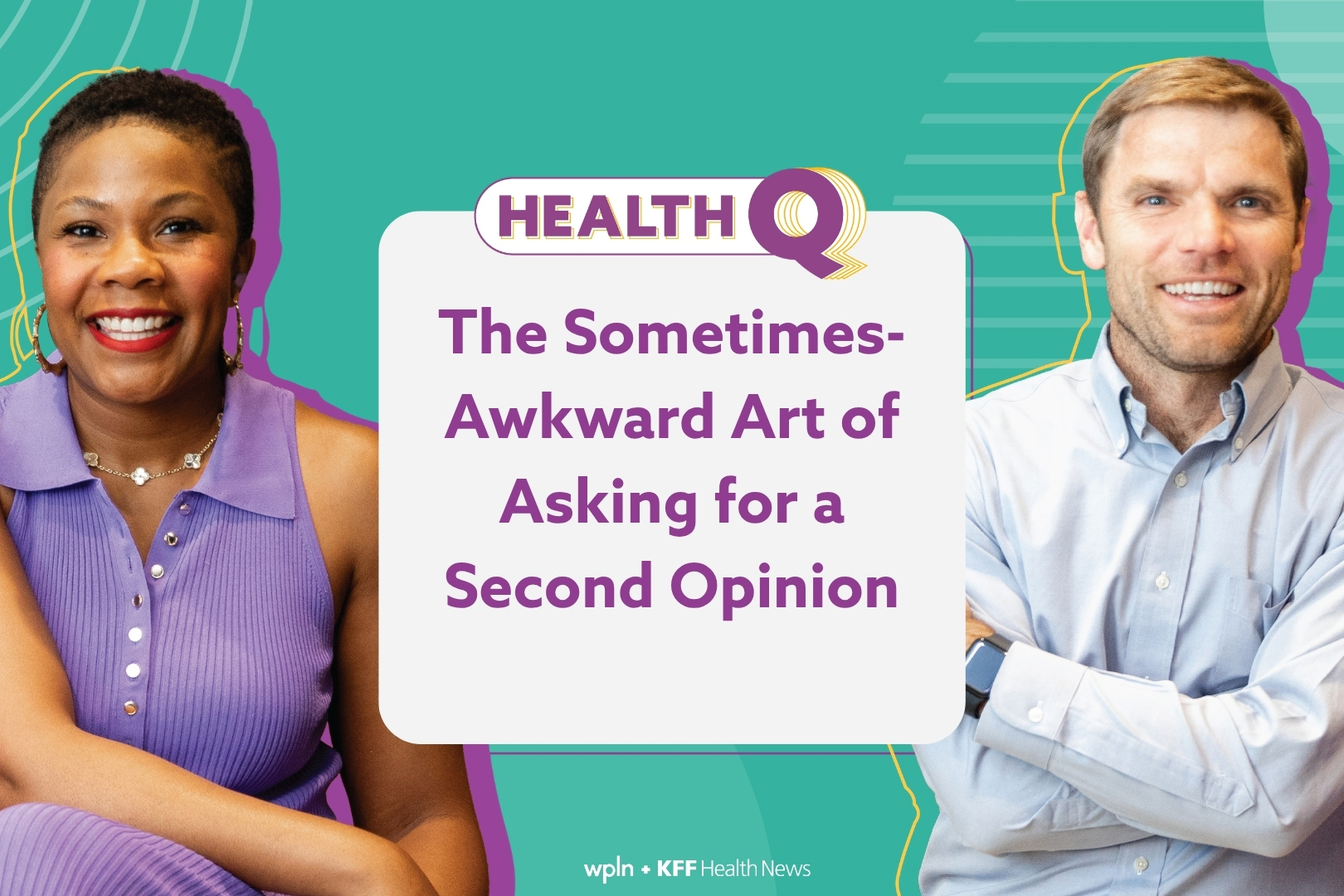
The Sometimes-Awkward Art of Asking for a Second Opinion
A doctor has recommended a course of action that is invasive, expensive, or somehow different from what you'd prefer. Is it OK to get a second opinion? The answer is yes. Here’s how to make the ask a little less awkward.
Carol Daniel, a seasoned broadcast journalist from St. Louis, faced a thyroid cancer diagnosis in 2022. Her husband advised her to obtain a second opinion, but she worried that seeking another doctor's input might appear like a betrayal. She questioned whether she was "cheating on him," "going behind his back," or "acting like I don’t trust him by seeking a second opinion."
This scenario is common among patients, but family medicine physician Jen Caudle, based in New Jersey, advises patients not to feel uncomfortable about requesting a second opinion. Caudle encourages open dialogue with the care team, asserting that healthcare providers should support patients rather than be offended by their actions.
She likens primary care physicians to quarterbacks, guiding patients through the care team and assisting in navigating opinions or diagnoses from specialists. Cara Anthony and Blake Farmer, hosts of the HealthQ series, discussed this delicate topic with Caudle. The QTip: Your primary care provider can aid you in navigating first and second opinions from specialists.
Katherine Ruppelt and Emily Siner contributed to this report for Nashville Public Radio. HealthQ is a health series produced by reporters Cara Anthony and Blake Farmer, offering accessible guidance in navigating the complex healthcare system. This article originally appeared on KFF Health News and is republished under a Creative Commons Attribution-NonCommercial-NoDerivatives 4.0 International License.
Written by urgent.news from KFF Health News's reporting — not their text. Machine-written — may contain errors; check the original before relying on it.