The guest that came early and we don't really know what to do
IN September 2026, something pivotal happened to the Malaysian automotive landscape: the total number of battery electric vehicles cracked the 10 per cent mark, at least a year ahead of most optimistic predictions.
In September 2026, Malaysia's automotive industry witnessed a significant milestone as battery electric vehicles (BEVs) crossed the 10 percent mark in sales. Proton New Energy Technology, the subsidiary responsible for exploring the electrified market for the nation's oldest carmaker, reported selling 20,000 BEVs in June. Just three months later, the company invited the media to celebrate the 40,000th delivery of their e.Mas electric hatchback, a remarkable feat achieved in only three months.
The e.Mas 5 was the driving force behind this surge in popularity, regularly selling over 4,000 units per month.
As of September, BEV sales had reached 11 percent of the overall vehicle market. This shift in consumer preference signals that Malaysia has entered the inflection point, a transitional phase where electric vehicles begin to dominate the market. Three years ago, it was predicted that this inflection point would occur sometime between 2027 and 2030. However, the rapid rise in BEV sales has surpassed expectations, with the country already having 131,000 BEVs on the road.
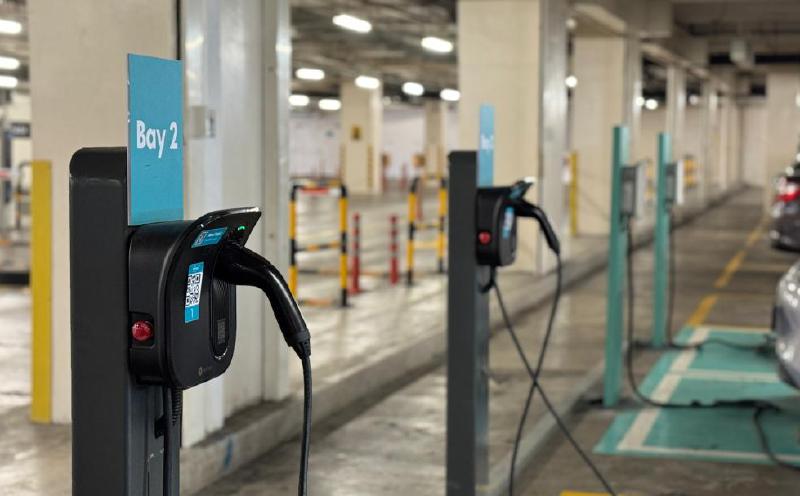
The surge in BEV sales presents both opportunities and challenges for Malaysia's automotive industry. While the increasing demand for electric vehicles is encouraging, the infrastructure supporting these vehicles is lagging behind. The country's EV charging network is not keeping pace with the growing number of electric vehicles, leaving potential buyers hesitant to make the switch.
Additionally, the Malaysian automotive industry is struggling to adapt to this sudden shift, particularly when it comes to localizing key components such as batteries, traction motors, and Battery Management Software. This lack of preparedness is largely due to the unexpected success of BEV sales, as Proton's EV factory was initially built with a capacity of 20,000 units per year and only managed to reach that number in three months.
To address these concerns, experts suggest that Proton should consider upgrading their EV plant to a production capacity of 100,000 units. This would enable the company to accommodate the growing demand for electric vehicles and further solidify its position in the market. However, the main concern remains the potential dominance of Chinese EV manufacturers, who currently hold a substantial grip on the supply chain and battery technology.
This monopoly could stifle the growth of local automotive players and hinder Malaysia's ability to compete on a global scale. It is crucial for policymakers to address this issue and ensure that the country is well-prepared to navigate the transition to electric land transportation.
Written by urgent.news from New Straits Times's reporting — not their text. Machine-written — may contain errors; check the original before relying on it.