Tariffs and Iran war deepen pressure on American businesses
AgenciesFor Doug Rende, who runs an aluminum product manufacturer in the US state of Ohio, President Donald Trump’s tariffs have meant millions of dollars more in annual costs -- a...
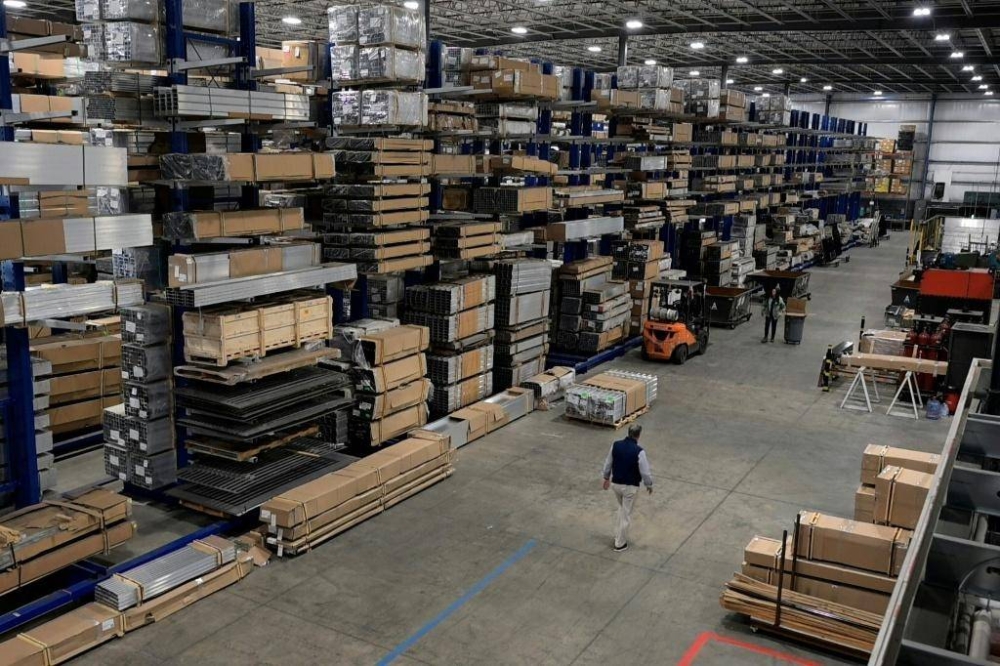
American businesses are feeling the strain of President Donald Trump's tariffs and the ongoing Iran war, according to Doug Rende, CEO of Shapes Unlimited, an aluminum product manufacturer in Ohio. The tariffs have increased his company's annual costs by millions of dollars, while the war has made shipments even more expensive. Rende expressed frustration, stating that the administration and governmental process have lost his trust.
Trump's economic policies, particularly the tariffs, have affected various industries such as steel and autos, causing complaints from American manufacturers who face higher costs and uncertainty. Some American producers have benefited from these policies, as foreign competitors are hit with higher barriers, but others struggle with the rising costs and persistent uncertainty.
The trade disputes with Canada and Iran have deepened these concerns, with Democrats hoping to capitalize on these issues during the upcoming midterm elections. For Rende's company, the tariffs have led to additional costs of up to $5 million this year, including higher transportation fees due to surcharges on goods from suppliers.
To offset these costs, Rende has paused hiring and invested in more robotic assembly to maintain efficiency. Another Ohio manufacturer, Sam Miller, has faced similar challenges, paying tariffs on imported materials from Asia and experiencing difficulty expanding into Canada due to trade tensions. The deteriorating US-Canada relationship has added to Miller's challenges, as both countries have imposed tariffs on each other's products following the collapse of trade negotiations in August.
Miller originally planned a Canadian distribution facility but has had to slow progress. Guy Coviello, president of the Youngstown Warren Regional Chamber, monitors tariffs, the Iran war, and immigration closely, describing the situation as a "mixed bag" for firms but overall negative. Ohio's biggest export market, Canada, accounts for a third of Ohio's exports, making the negative impact even more significant.
Coviello notes that while some tariffs may be beneficial for critical items like defense and medical industries, they should be carefully applied to avoid harming non-essential products.
Written by urgent.news from Qatar Tribune Business's reporting — not their text. Machine-written — may contain errors; check the original before relying on it.