Studie: So würden Haushalte von einer Stromsteuersenkung profitieren
Die Bundesregierung denkt darüber nach, die Stromsteuer für alle zu senken. In einer Studie hat das Vergleichsportal Verivox nachgerechnet, welche Wirkung das auf die Stromrechnung hätte.
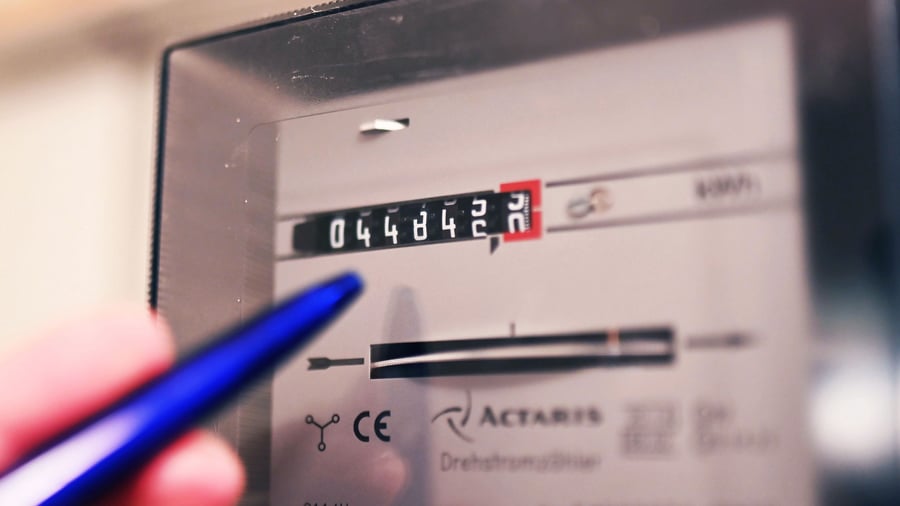
A study by the comparison portal Verivox suggests that a nationwide reduction in the electricity tax could benefit households. According to Verivox, this tax cut would relieve private households by approximately three billion euros annually. The tax reduction would lower electricity bills on average by about seven percent. Verivox's calculations are based on an average household electricity price of 34.36 cents per kilowatt-hour (including the base price) and a total annual consumption of around 130 billion kilowatt-hours for all households.
The German Energy Balance Association reported 132.5 billion kilowatt-hours in 2025. Chancellor Friedrich Merz (CDU) aims to promote the nationwide reduction of the electricity tax to the European minimum level. The Union and SPD had agreed to implement the reduction for certain economic sectors in the coalition agreement, but the European minimum level is set at 0.1 cent per kilowatt-hour.
The current electricity tax in Germany is 2.05 cents per kilowatt-hour, making the difference 1.95 cents per kilowatt-hour. Verivox estimates that this reduction would result in an average price of 32.04 cents per kilowatt-hour, which is about 2.32 cents less than the current rate. A household of three with an annual consumption of 4,000 kilowatt-hours would benefit from an average relief of 93 euros.
A couple with a consumption of 2,800 kilowatt-hours might save around 65 euros, while a single-person household with a consumption of 1,500 kilowatt-hours could save about 35 euros. More: Solar reduces Germany's electricity prices, but still expensive.
Written by urgent.news from Handelsblatt's reporting — not their text. Machine-written — may contain errors; check the original before relying on it.