Solutions to the risks posed by the global pet trade could be enacted quickly
The global pet trade, particularly in exotic reptiles and amphibians, poses significant biodiversity and potential human health risks, scientists say; yet compared to other pressing crises like climate change, the solutions are relatively simple — if only governments would act on them. Susan Lieberman, vice president for international policy at the Wildlife Conservation Society, based […]
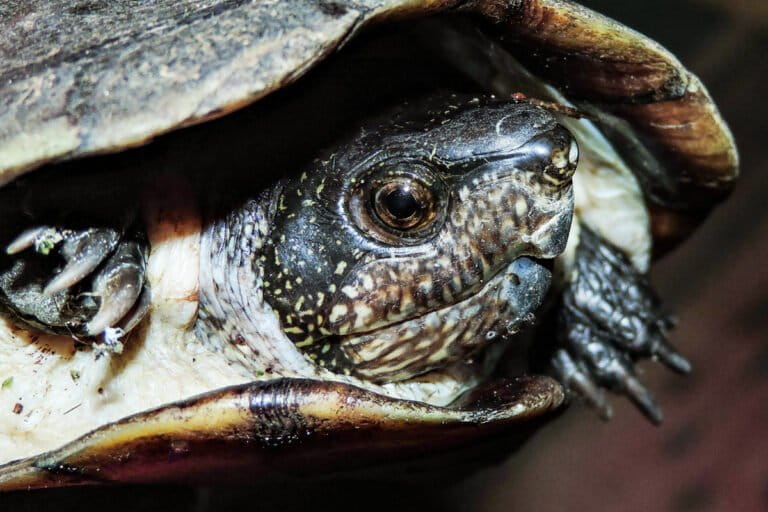
The global pet trade, especially involving exotic reptiles and amphibians, presents substantial biodiversity risks and potential threats to human health, according to scientists. However, experts argue that the necessary solutions to mitigate these risks are relatively simple if only governments would take action. Susan Lieberman, vice president for international policy at the U.S.-based Wildlife Conservation Society, and Sandra Altherr, co-founder and head of science at Pro Wildlife in Germany, discuss these solutions on the Mongabay Newscast.
Lieberman likens the international wildlife trade to an "experiment" where diseases could be inadvertently introduced from one part of the world to another. Altherr emphasizes that this trade could be regulated swiftly, reducing the associated risks. The main legal gaps, they argue, include countries of origin having little to no legal recourse for species sold outside their borders, and the Convention on International Trade in Endangered Species of Wild Fauna and Flora (CITES) often being reactive rather than proactive in protecting species before they become endangered.
The authors stress that species facing extinction do not have the luxury of time for long-term conservation efforts. This story originally appeared on Mongabay.
Written by urgent.news from Mongabay's reporting — not their text. Machine-written — may contain errors; check the original before relying on it.