Sepang gridlock reflects Malaysia’s wider transport problem
For one weekend, Sepang gave us an unusually clear view of a problem that normally plays out more quietly across Malaysian cities.
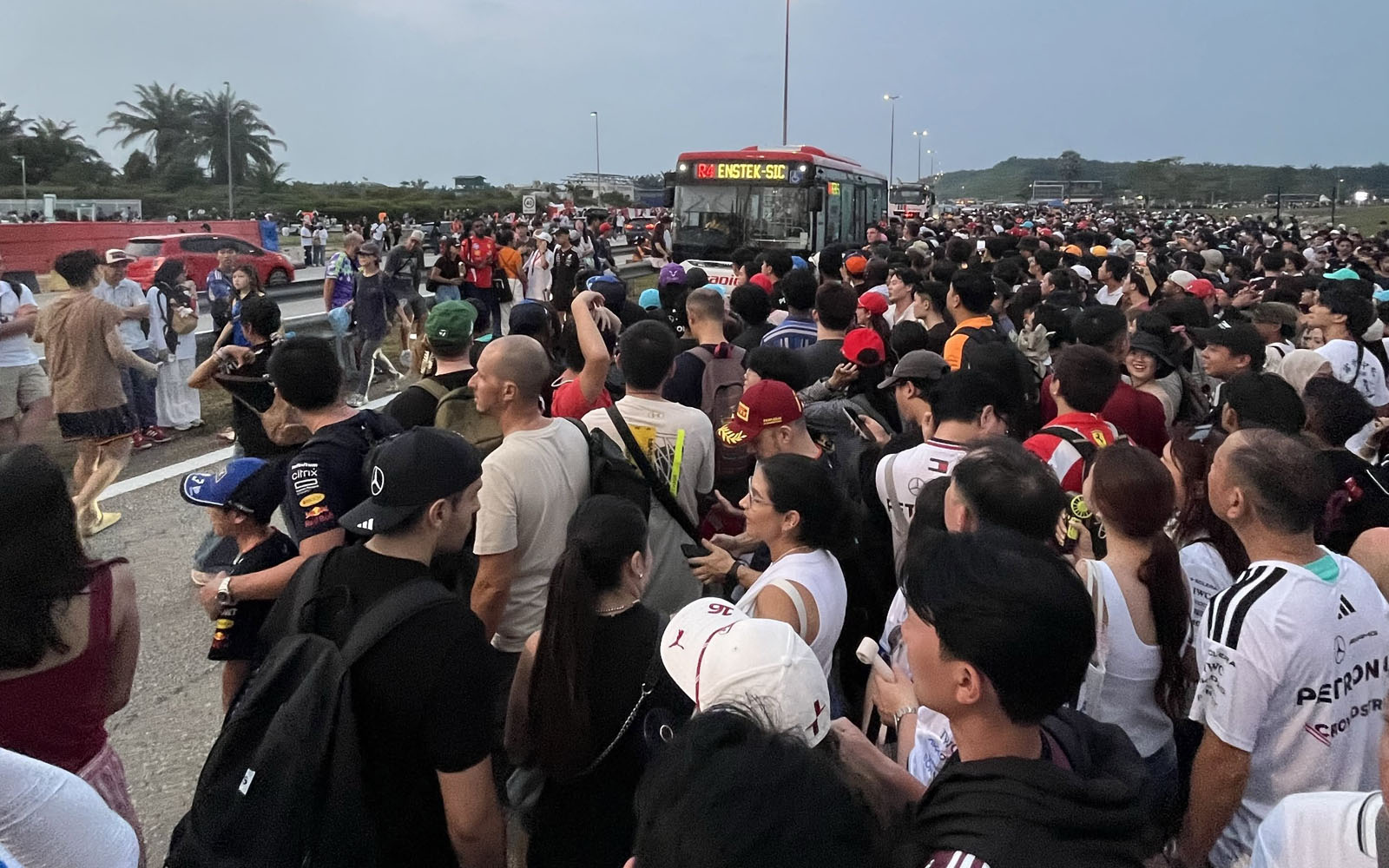
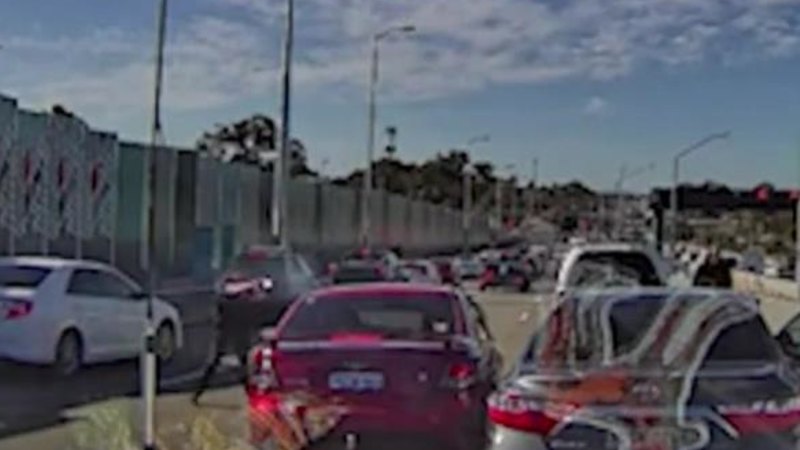
The chaos at Sepang International Circuit during the Formula 1 weekend highlighted Malaysia's broader transport challenges. Thousands of fans became stranded as crowds spilled onto highways and traffic came to a standstill. The problems at Sepang were seen as a much larger, more visible version of the city's existing transport issues.
A major flaw in Malaysia's road design is the continued treatment of buses as mere traffic participants rather than prioritized modes of transport. When an event attracts large crowds, the typical solution is to add more buses. However, this doesn't resolve the congestion issue, as a bus carrying 50-60 people still faces the same traffic as dozens of individual cars. This results in shuttle buses becoming part of the jam rather than bypassing it.
Buses need dedicated, physically separated bus lanes to effectively operate. If buses must compete with cars for road space, their capacity to transport large numbers of passengers is greatly reduced. Taxis and e-hailing services like Grab should not be considered substitutes for public transport. These services occupy road space like any other car and contribute to traffic congestion, especially when large numbers of people converge at the same time.
The transport problems extend beyond Sepang. The influx of extra buses and drivers to accommodate major events puts strain on an already underserved public transport system. This can lead to delays and longer waiting times for regular commuters in surrounding areas. The upcoming RTS Link in Johor Bahru could exacerbate these issues if it isn't accompanied by proper pedestrian infrastructure and dedicated bus lanes.
While traffic police and lane diversions can provide temporary relief, they do not address the root cause of the problem: attempting to accommodate too many people on limited road space simultaneously. A more sustainable solution involves redesigning roads to accommodate people rather than vehicles. This includes dedicated bus lanes, improved pedestrian walkways, and safer crossings.
Without these fundamental changes, Malaysia risks recreating the same situation every day, with commuters paying the price for event-related traffic.
Written by urgent.news from Free Malaysia Today's reporting — not their text. Machine-written — may contain errors; check the original before relying on it.
This story
This is one outlet's version. Read the fullest account.
- Sepang gridlock reflects Malaysia’s wider transport problem freemalaysiatoday.com