Schools in Azerbaijan are barring girls who wear hijabs from class. Some of their male classmates are refusing to attend in solidarity.
In late September, Azerbaijan approved new school uniform rules, including a ban on “items inconsistent with the principle of secularism.” Inspections soon began at schools, and girls wearing hijabs were barred from classes. Protests broke out in Baku and other cities, with schoolgirls and their classmates demanding that everyone’s right to an education be upheld. On October 12, 37 people were…
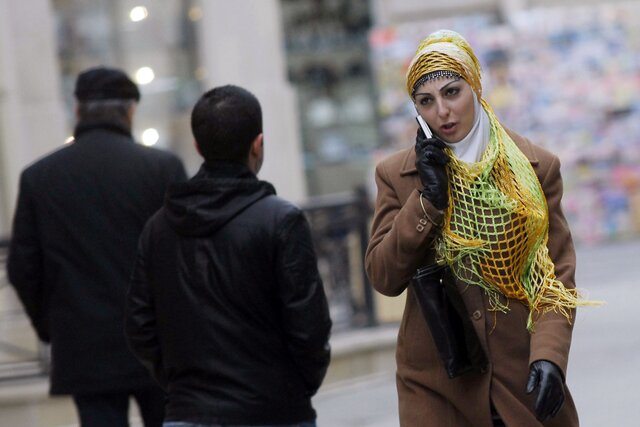
In late September of 2011, Azerbaijan implemented new school uniform rules, which prohibited students from wearing items inconsistent with secularism. Soon after, girls wearing hijabs were barred from attending classes. Protests erupted in Baku and other cities, with schoolgirls and their male classmates demanding that everyone's right to an education be respected. On October 12, 37 individuals were detained by Azerbaijan's Interior Ministry, alleging they had "grossly disrupted public order."
The interior ministry's actions followed the October 9 inspections that barred girls with their heads covered from classes. Female teachers were also mandated to remove their headscarves. Some schools reported boys in higher grades refusing to attend classes in solidarity with the hijab-wearing girls. One protestee in Baku's Sabunchu district held up a sign reading, "A hijab does not stand in the way of an education."
During the protests, videos surfaced on social media, including one showing students attempting to break school windows. The Telegram channel Minval Politika reported that a school principal's car was set ablaze in the Garadag district. On October 12, the Interior Ministry confirmed detaining 37 individuals for actions "grossly violating public order" and damaging schools.
They investigated the incidents as organizing acts that disrupted public order, a crime punishable by up to three years in prison. The ministry did not elaborate further, and it remains unclear if any of those detained were minors.
The protests were not the first time Azerbaijan faced such issues. In May 2011, a similar protest outside the Education Ministry resulted in a criminal investigation. In the same year, activist Abgul Suleymanov, known for his participation in hijab ban protests, was detained and later sentenced to 11 years in prison on charges he denied.
The reasons behind the current hijab ban remain unclear. Neither the cabinet nor the Education Ministry has responded to journalists' inquiries. Journalist Afgan Mukhtarli, a critic of the authorities, believes that hijabs do not pose a problem, but President Ilham Aliyev utilizes the threat of radical Islam to strengthen his grip on power.
Opponents of the ban see it as a means of "strengthening the sovereignty of a country trying to free itself from the influence of other states," possibly referring to Turkey, as President Aliyev recently discussed countering ideological interference abroad. Protests against the ban continued, with demonstrators gathering outside Azerbaijan's consulate in Istanbul to demand an end to the ban on wearing hijabs in Azerbaijani schools.
Written by urgent.news from Meduza (English)'s reporting — not their text. Machine-written — may contain errors; check the original before relying on it.