Saudi attacks shake the confidence of foreign investors
International energy bosses were largely absent from this week’s World Petroleum Council Energy Congress, held in Riyadh, after the Houthi attack.
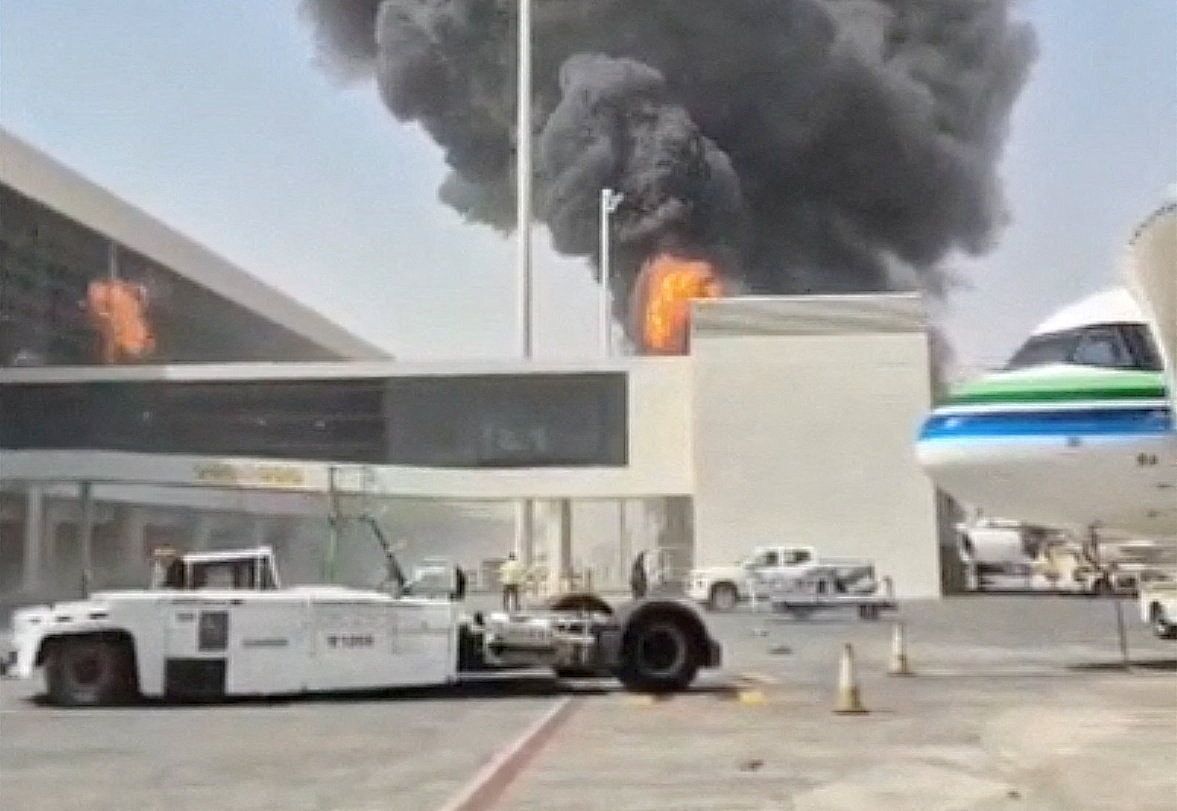
Oil prices dipped on Tuesday as Saudi oil officials attempted to calm market concerns following a significant assault on the country's airport. Global energy leaders were notably absent from this week's World Petroleum Council Energy Congress in Riyadh, the first time the event took place in the capital, due to the Houthi attack.
Notable omissions included executives from BP, Shell, and TotalEnergies, as well as numerous international ministers, including US Energy Secretary Chris Wright, who withdrew from the conference in response to the strikes. This resulted in a smaller-than-anticipated attendance, primarily consisting of local executives, who gathered to hear the kingdom's appeal for intensified international collaboration to safeguard energy supplies and trade routes.
Saudi Arabia might enhance its pipeline network and increase storage capacity, but as Aramco CEO Amin Nasser pointed out, "no single nation, even one as capable and assured as ours, can ensure their protection alone." This sentiment underscores the increasing involvement of foreign investors in the region's energy sector, which has already been expanding even prior to the Iran war.
Traditionally marginalized, the Gulf energy companies now recognize the crucial role of international energy firms and global investors in securing customers for their hydrocarbon exports, investing in their infrastructure, and forging security ties with other nations—roles that were previously unfulfilled by the traditional oil-for-security agreements.
Written by urgent.news from Semafor's reporting — not their text. Machine-written — may contain errors; check the original before relying on it.