S&P 500, Dow futures muted after big bank earnings, chip slide weighs
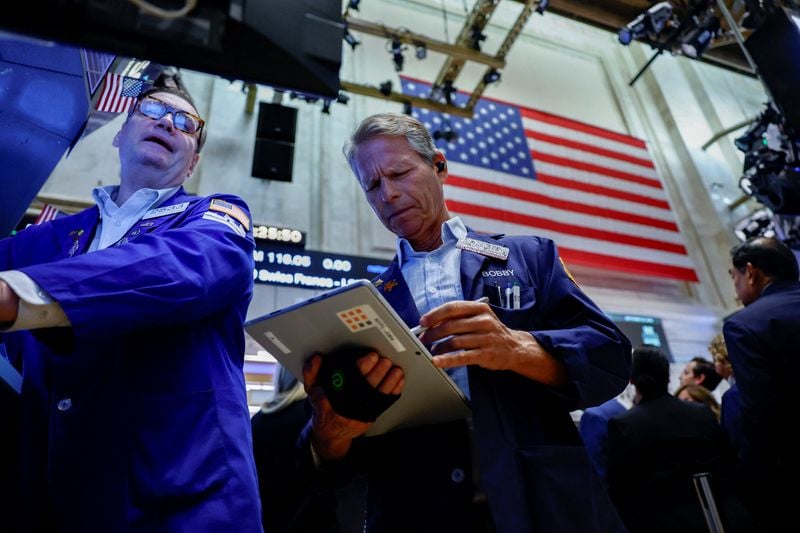
On Tuesday, investors remained cautious as they reviewed quarterly earnings from major US banks, heralding the start of the earnings season, while also grappling with the slump in chip stocks affecting the Nasdaq. JPMorgan Chase and Wells Fargo reported higher profits due to growth in investment banking, trading, loan book expansion, and interest income.
However, their shares experienced a decline of 3.4% and 1% respectively in early trading. Johnson & Johnson saw a 2.7% dip despite delivering a profit margin slightly above forecasts. The Dow futures cooled slightly but stayed bullish due to gains in UnitedHealth, which reported a 2% increase after revising its 2026 profit forecast upwards, citing reduced spending on medical costs and improved margins in specific divisions.
In terms of market sentiment, anticipation of a robust earnings season has bolstered the overall US stock market, despite heightening geopolitical tensions, escalating government bond yields, and inflation concerns. Analysts predict S&P 500 earnings for the July-September quarter will rise by 30.6%, with technology and energy sectors leading the charge.
However, chip manufacturers continue to face pressure following a Monday sell-off, primarily due to reports of technological advancements by China's CXMT, posing a challenge to Samsung and SK Hynix, whose hefty profits stem from both constrained supply and insatiable demand. Analyst Nic Puckrin notes this could explain the turbulence in the South Korean stock market, while US chipmakers are also vulnerable.
Notably, the KOSPI fell 5.5% after a 7% decline. Chip giants Nvidia, AMD, and Marvell Technology suffered losses of 1%, 1.5%, and 2.6%, respectively. Memory chipmaker Micron Technology and data storage firms Western Digital, Seagate, and Sandisk all slipped between 3.2% and 4.8%. Meanwhile, oil prices dropped as traders weighed supply risks from attacks on Saudi Arabia alongside the potential influx of additional diesel from Russia.
Surging crude oil prices stemming from the US-Iran conflict have sparked fears of energy-related inflation globally, driving bond yields to multi-decade highs and prompting central banks to adopt a more stringent monetary policy stance. Nonetheless, Federal Reserve Governor Christopher Waller attributed the yield surge to robust economic growth and heavy AI investment rather than heightened inflation expectations.
Recent economic data suggesting a modest rise in inflation and sluggish job growth have tempered expectations of imminent interest rate hikes from the Fed, with traders widely anticipating the central bank to maintain rates for the month, as indicated by the CME FedWatch.
Written by urgent.news from Investing.com's reporting — not their text. Machine-written — may contain errors; check the original before relying on it.