Robots now clearing cigarette butts from Spanish beaches, and they’re heading for the streets next
Self-driving robots that sift cigarette butts out of the sand have been working on Santander’s beaches since summer 2025, steering […]
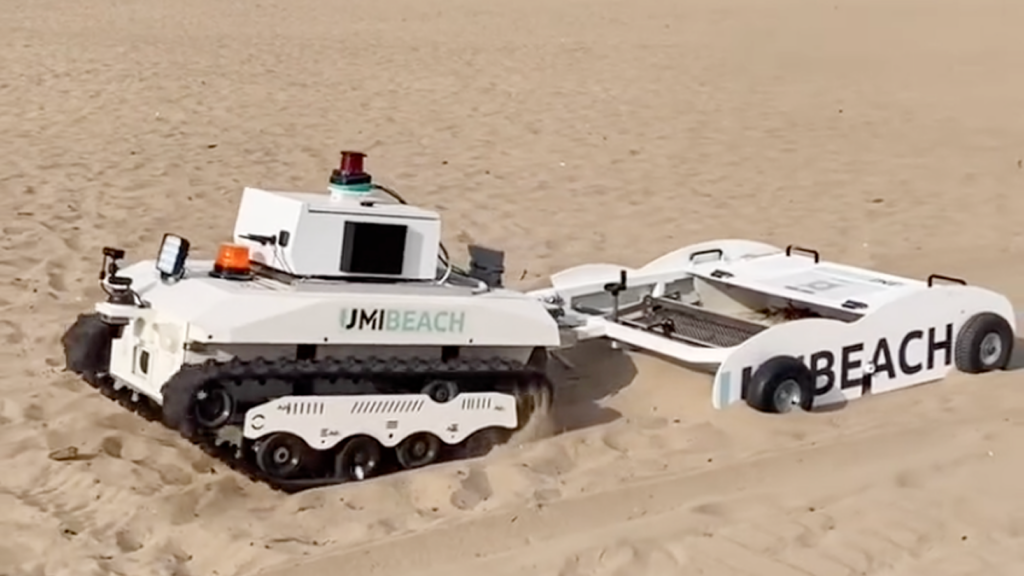
Since summer 2025, self-driving robots have been sifting cigarette butts out of the sand on Santander's beaches in Spain. These industrial robots, developed by Umibots, a company based in Valencia, work across eight of the city's 13 beaches as part of a four-year, €6.8 million cleaning contract. Each robot costs around €50,000 and can be programmed from a mobile phone to follow a specific route.
The robots scoop up the top 10 centimetres of sand and run it through a sieve with holes smaller than five millimetres, catching cigarette butts while returning clean sand to the beach. Founders Clodo González describes them as "industrial Roombas", with the technology similar to a household robot vacuum. The robots use high-precision GPS and a laser system to navigate the open beach and avoid obstacles.
Despite the initial concern over how well the machines would handle extreme situations, such as the floods in Albal in October 2024, they have proven successful in various environments. The robots are not intended to replace human cleaning crews but to assist them. In the future, Umibots plans to adapt the base machine for use in forests and other fire-prone areas, using satellite images and artificial intelligence to identify areas to tackle first.
This development comes as Spain moves towards a ban on smoking on beaches, although the laws are currently uncertain due to the upcoming snap election.
Rewritten by urgent.news; may contain errors — check the original.
Source: euroweeklynews.com