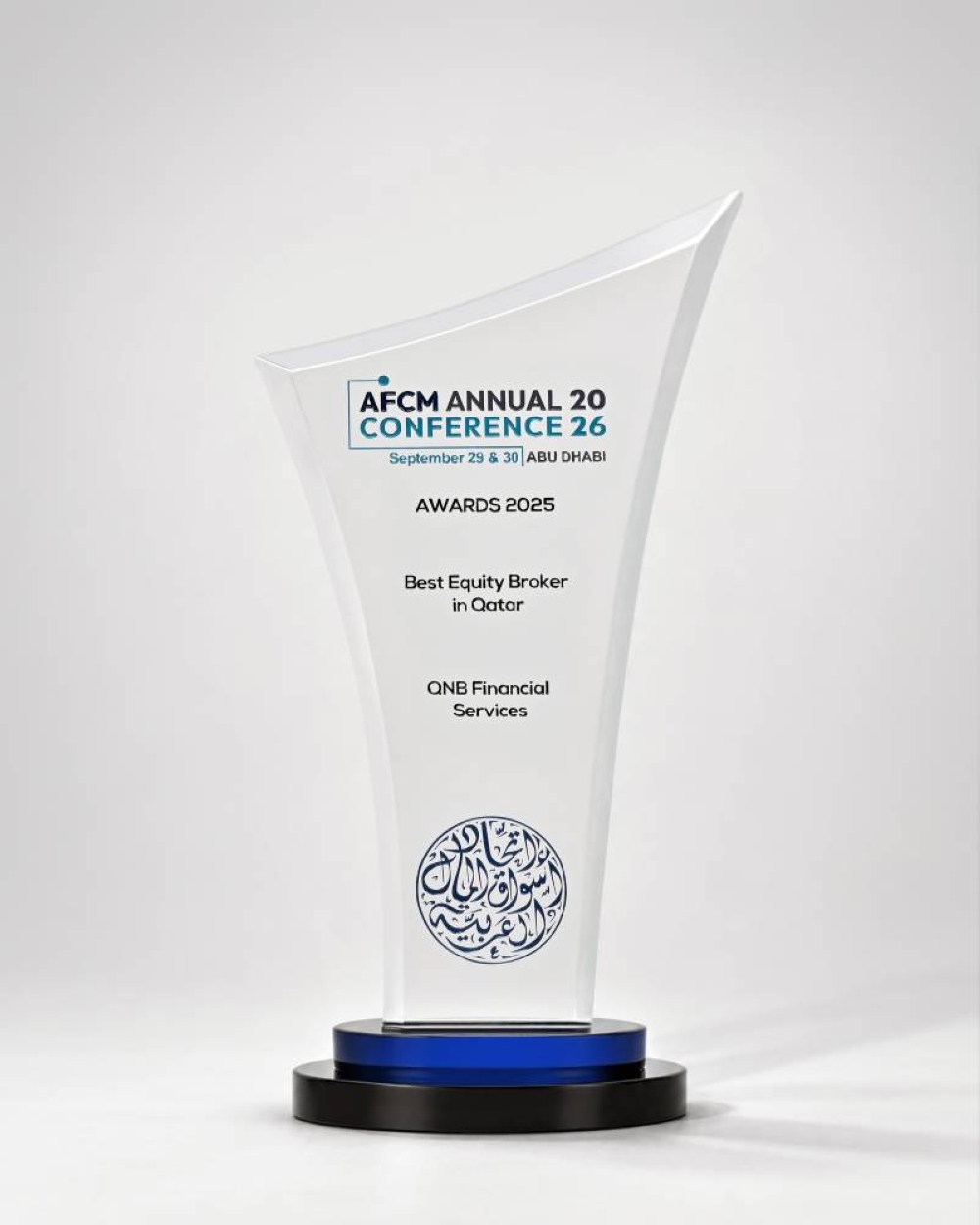
‘Qatar’s banking model for the Arab world’
QNADohaSecretary-General of the Union of Arab Banks Dr Wissam Fattouh stressed the importance of Arab financial institutions drawing on the experience of Qatari banks, whose expand...
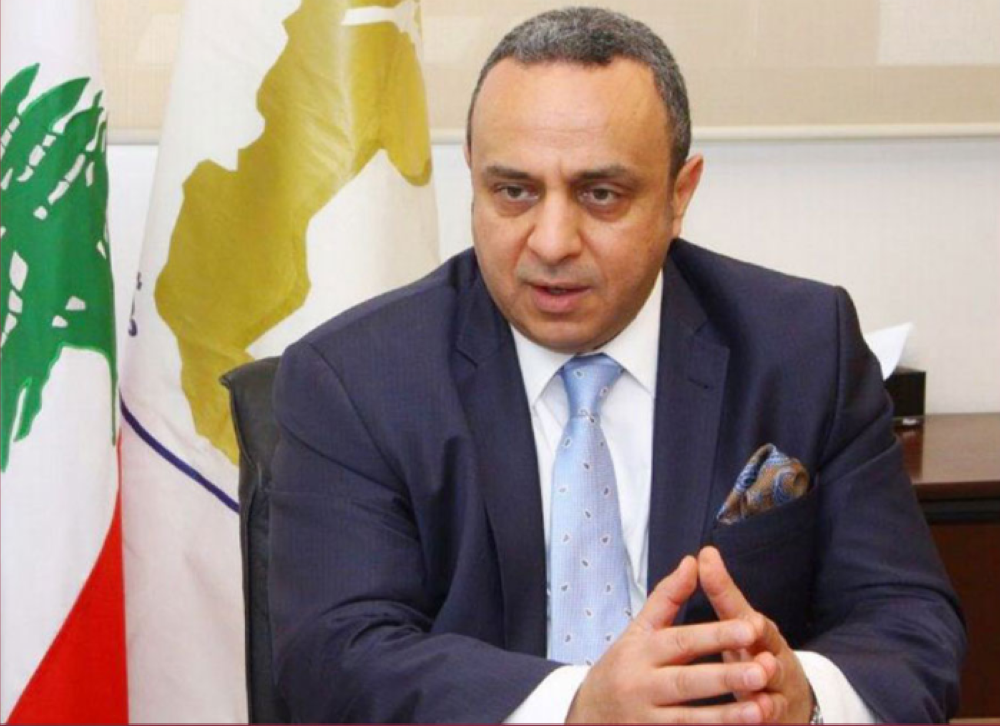
Dr. Wissam Fattouh, Secretary-General of the Union of Arab Banks, emphasized the value Arab financial institutions could gain from studying the strategies of Qatari banks. Fattouh, speaking to Qatar News Agency (QNA), pointed out that Qatari banks' growing international presence provides a model for diversifying investments, bolstering cross-border cooperation, and enhancing competitiveness in a shifting global economy.
He highlighted the extensive reach of Qatari banks and their investments beyond their domestic market, noting that their experiences could assist other Arab banks in improving investment management, expanding banking operations, and navigating various markets. Fattouh stressed that Arab banks could learn valuable lessons from Qatar's international expansion, investment diversification, and capitalizing on regional and global opportunities.
He cautioned, however, that these successful banking models cannot be universally applied; each market requires a thorough assessment of its economic and regulatory environment, necessitating adaptation of proven practices to local conditions. Fattouh suggested that learning from Qatar's and other Gulf and Arab banking examples could deepen financial collaboration, unlock investment prospects, and bolster Arab banks' capacity to adapt to global economic and technological changes.
He further noted that the Gulf banking sector should be viewed in conjunction with other Gulf countries, whose financial institutions possess varied expertise and have investments across regional and international markets. Fattouh described Gulf banks as critical to the Arab banking sector, with several having established a robust international presence and pursued diversified investment strategies.
Their cross-border operations provide a platform for enhanced partnerships and knowledge-sharing in areas such as business management, financing, international expansion, and financial services development. Fattouh stressed that stronger collaboration among Gulf banks could broaden investment opportunities across the Arab world and intensify financial integration, enabling institutions to pool their expertise to support regional economic growth.
He emphasized that Arab banking growth should draw on a variety of successful experiences, citing the advancements in the banking sectors of Jordan and Morocco, as well as Egypt's extensive banking base and considerable investments. According to Fattouh, closer Arab banking collaboration could unite this expertise, enhancing the sector's competitiveness and its ability to respond to rapid shifts in global markets.
He added that viewing national market differences as opportunities for mutual learning would allow banks to adapt effective practices to local economic and regulatory conditions. Fattouh highlighted the role of technology in the banking sector, particularly artificial intelligence, which provides significant opportunities to enhance efficiency, analyze data, and improve fraud detection and monitoring of suspicious transactions.
However, he cautioned against over-reliance on AI-generated results, stressing the necessity of human oversight to ensure data accuracy and prevent AI from replacing professional judgment. He also urged banks to adopt technology solutions that meet their specific needs and thoroughly evaluate the risks associated with new technologies.
Turning to regulatory compliance, Fattouh stressed that even unintentional violations can result in fines and reputational damage. He underscored the importance of adhering to both domestic and international regulations, strengthening internal controls, and routinely reviewing procedures. He also noted that expanding cross-border operations and advancements in financial technology underscore the growing importance of robust risk management and compliance systems to help banks adapt to change while avoiding regulatory breaches and penalties.
Fattouh also identified opportunities for Arab banks to contribute to Syria's economic recovery and reconstruction, highlighting potential investment and financing opportunities in tourism, agriculture, industry, technology, financial services, and payment systems. He stressed that successful banking cooperation would depend on a commitment to economic openness and stronger ties within the Arab world.
Fattouh concluded that disparities in economic development across Arab countries should not hinder cooperation. Instead, he argued that Arab banks could leverage their collective expertise and available investment resources to support economies in need of financing and reconstruction, while advancing financial integration across the region.
Written by urgent.news from Qatar Tribune Business's reporting — not their text. Machine-written — may contain errors; check the original before relying on it.