QatarEnergy to continue expansion of investments and international partnerships: Amir
<p>Doha, Qatar: The Amir HH Sheikh Tamim bin Hamad Al-Thani said the North Field Gas project is progressing according to the set plans, with the aim of increasing the country’s LNG production capacity.</p> <p>The Amir stated this on Tuesday, October 13, 2026, while opening the second ordinary session of the second legislative term, corresponding to the 55th annual session of the Shura Council,…
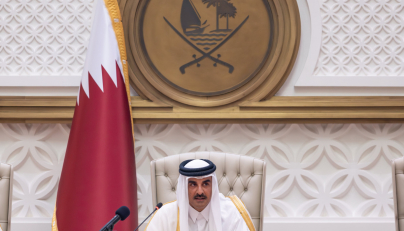
On Tuesday, October 13, 2026, during the opening of the second ordinary session of the Shura Council, the Amir HH Sheikh Tamim bin Hamad Al-Thani addressed the progress of Qatar's energy sector and international partnerships. He highlighted the North Field Gas project's alignment with the established plans, aiming to boost the nation's liquefied natural gas (LNG) production capacity.
The Amir also mentioned the significant advancement of the Golden Pass project in the United States, along with QatarEnergy's ongoing expansion of investments and international partnerships. These initiatives were discussed in tandem with the development of petrochemical industries, solar energy projects, and efforts to enhance water security.
In addressing the regional crisis and the Iranian attack on Qatar's sovereignty, the Amir emphasized the priority given to protecting people, securing their needs, and stimulating economic activity. He explained that institutions, in collaboration with the private sector, worked diligently to diversify supply routes and secure crucial goods and strategic reserves.
Qatar plays a substantial role in the global liquefied natural gas trade, accounting for around one-fifth of the worldwide production. An interruption in exports would have substantial implications for international markets and consumers. The Amir noted that the closure of the Strait of Hormuz and damage to energy facilities in Ras Laffan Industrial City led to a significant disruption in the country's exports.
However, the economic impact was predominantly concentrated in the energy sector, while non-hydrocarbon industries continued to expand, contributing approximately 80% of real GDP. This resilience demonstrated the national economy's capacity to maintain growth despite extraordinary and challenging circumstances.
Written by urgent.news from The Peninsula Qatar's reporting — not their text. Machine-written — may contain errors; check the original before relying on it.