Protected areas are not for mining: Interview with WWF’s Nadège Nzoyem
“Protected areas are protected areas,” says Nadège Nzoyem, WWF’s regional director for the Congo Basin. For her, mining has no place in landscapes that governments have committed to conserve. Yet keeping extractive industries out and ensuring effective protection remain major challenges across the region. A recent analysis by U.S.-based Earth Insight highlights the conflict between […]
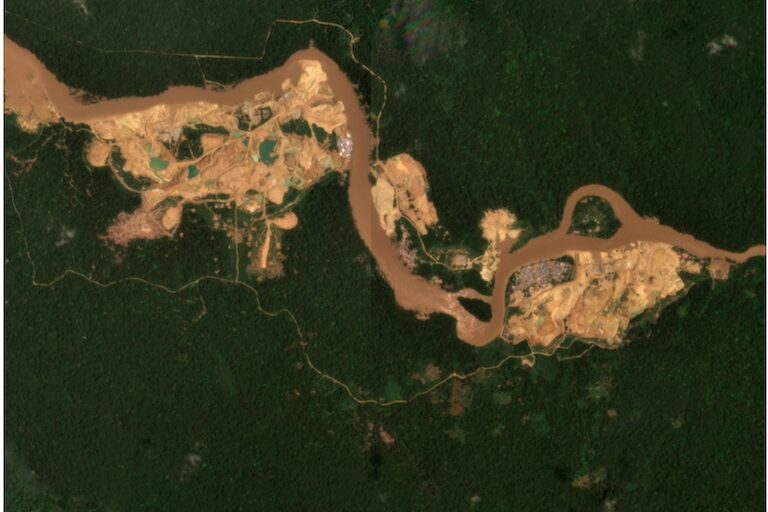
Nadège Nzoyem, WWF’s regional director for the Congo Basin, emphasizes that protected areas should not be exploited for mining purposes despite governments' commitments to conserve these landscapes. However, the reality remains complex, with conflicts between conservation goals and extractive industry interests. An Earth Insight analysis reveals that oil and gas blocks overlap with nearly 62 million hectares (153 million acres) of protected and conserved areas, while mining concessions cover another 43 million hectares (106 million acres) in tropical countries.
In the Congo Basin, 29% of identified terrestrial Key Biodiversity Areas remain unprotected, raising concerns about the effectiveness of conservation efforts against industrial pressures. The WWF's "Living Planet Report 2026" further highlights the alarming 80% decline in monitored wildlife populations across Africa since 1970, underscoring the urgent need for effective protected areas management.
As the world prepares to discuss the 30×30 target at the upcoming biodiversity COP17 in Armenia, it becomes clear that simply drawing boundaries for protected areas is not enough; effective management, equitable governance, and respect for Indigenous peoples' and local communities' rights are crucial for successful conservation.
Brief written by urgent.news from Mongabay's own syndicated text. Machine-written — may contain errors; check the original before relying on it.