Power, politics and the battle for electoral credibility: is Ghana’s Electoral Commission truly independent?
Nothing tests the strength of a democracy quite like an election. Elections ignite hopes, heighten anxieties, expose political rivalries, and sometimes deepen national divisions. Beyond determining who governs, they provide a peaceful mechanism for resolving political competition and confer legitimacy on those entrusted with public power. But what happens when the very institution responsible for…
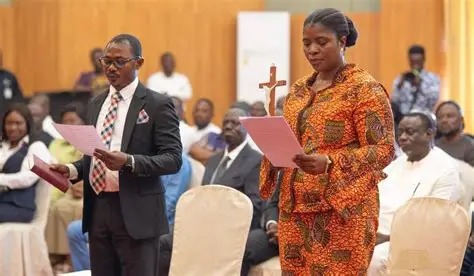
Ghana’s 1992 Constitution establishes the Electoral Commission (EC) as an independent body tasked with organizing elections and referenda, compiling voters’ lists and promoting civic education. While the constitution guarantees the Commission’s independence, it relies on the President to appoint its chairperson, deputy chairpersons and members.
This has sparked debate over whether Ghana’s electoral management body can truly be impartial when the President, a key political figure, holds significant power over its top appointments.
One of the most contentious moments in recent EC history came in 2018 when Chairperson Charlotte Osei and her deputies were removed under President John Dramani Mahama. The removal stemmed from an investigation into alleged misconduct, but the circumstances surrounding the dismissal deepened concerns that the EC’s leadership could be susceptible to political influence.
The NPP, then in opposition, had publicly criticized Osei during the 2016 election, and her removal appeared to confirm their suspicions of partisan interference with the institution.
Following the 2018 dismissal, President Akufo-Addo appointed a new EC leadership in August 2018. While the appointments aimed to provide continuity, the debate surrounding presidential influence over the Commission persisted. Critics argue that the lack of a parliamentary confirmation process for EC appointments limits public scrutiny and undermines the Commission’s perceived impartiality.
Supporters of the current leadership contend that the removals were justified and that the new appointments demonstrate the EC’s ability to adapt and provide credible electoral management. As Ghana prepares for upcoming elections, the question of the EC’s independence remains a central issue, with implications for the country’s democratic health and public trust in its electoral processes.
Written by urgent.news from Adom Online's reporting — not their text. Machine-written — may contain errors; check the original before relying on it.