People Say These Peptides Hurt Them. Their Stories Are Muffled in MAHA’s Push for Medical Freedom.
People who have taken experimental peptides, such as BPC-157, complain of migraines, eye pain, fatigue, and more. Learning whether these popular but unproven drugs are to blame may become harder if Robert F. Kennedy Jr. fulfills a promise to make them more accessible.
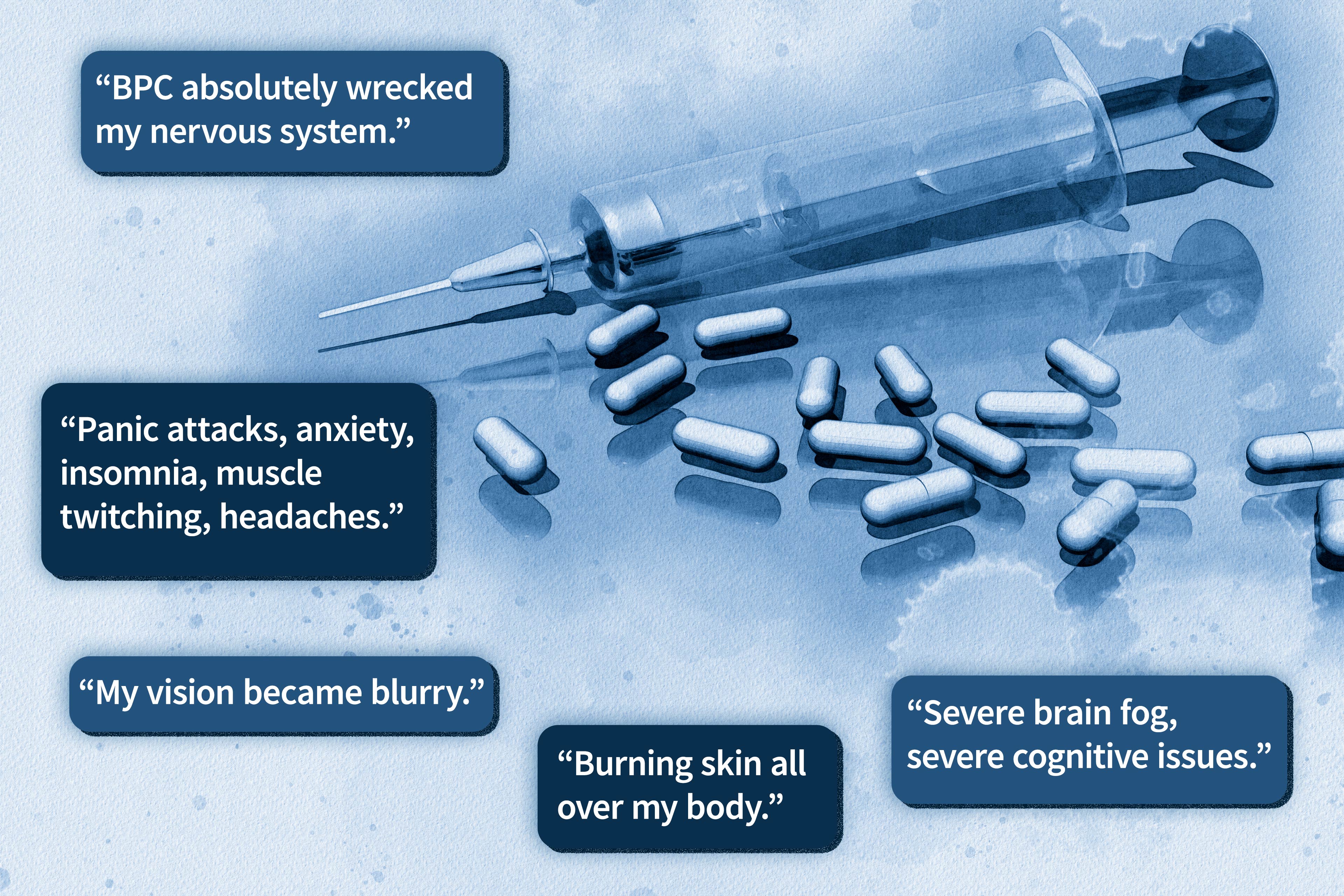
Dylan Meetze experienced severe side effects after taking BPC-157, a peptide drug that hasn't undergone clinical trials. The drug, often marketed as a wellness solution, caused fatigue, anxiety, and twitching in Meetze, who stopped using it but continued to feel ill for months. BPC-157 is one of many experimental peptides popularized by wellness influencers and promoted for various health issues, despite the lack of FDA approval.
Influencers like Andrew Huberman, with millions of social media followers, frequently discuss the potential benefits of these peptides, leading to increased usage among white males in the U.S. The Make America Healthy Again (MAHA) movement, with support from Robert F. Kennedy Jr., aims to lower barriers for the use of peptides by arguing for "medical freedom."
In July, the FDA appointed doctors with ties to the peptide industry to a panel that advised easing restrictions on six experimental peptides, including BPC-157. This decision, however, was met with criticism from FDA scientists who expressed concerns about potential liver damage, allergic reactions, and other serious side effects.
Critics argue that this push for medical freedom prioritizes profit over patient safety and may deter pharmaceutical companies from investing in clinical trials for peptides.
Written by urgent.news from KFF Health News's reporting — not their text. Machine-written — may contain errors; check the original before relying on it.