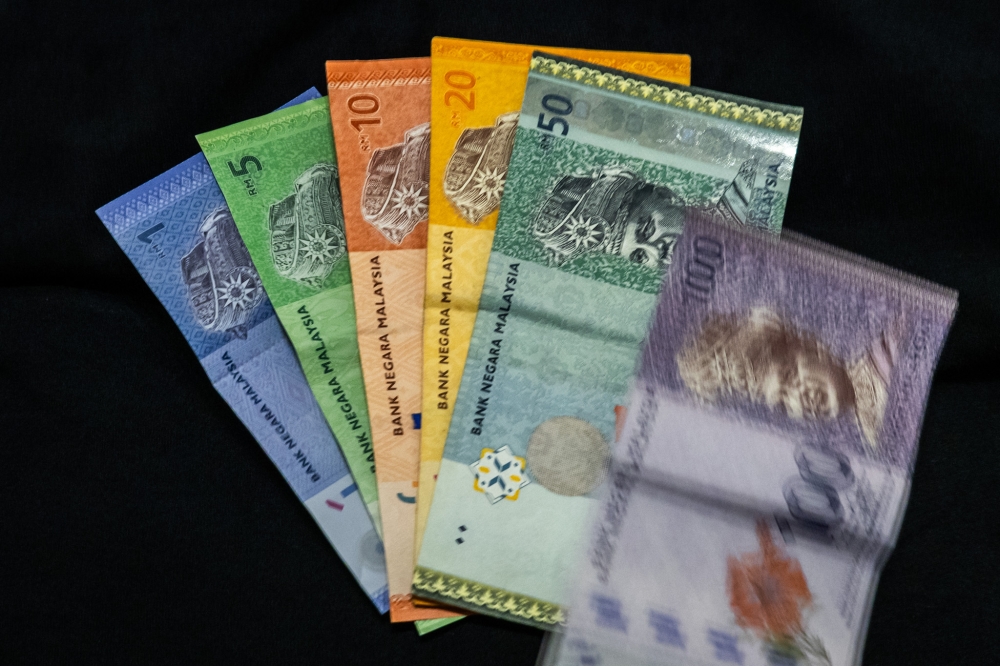
Palm climbs to two-week high as El Niño supply fears outweigh stocks
KUALA LUMPUR: Malaysian palm oil futures reversed earlier losses to hit a more than two-week high on Tuesday, as concerns over tighter supplies next year — due to El Niño and growing biodiesel demand — outweighed pressure from currently high stockpiles. The benchmark palm oil contract for December delivery on the Bursa Malaysia Derivatives Exchange rose 45 ringgit, or 0.97%, to 4,682 ringgit…
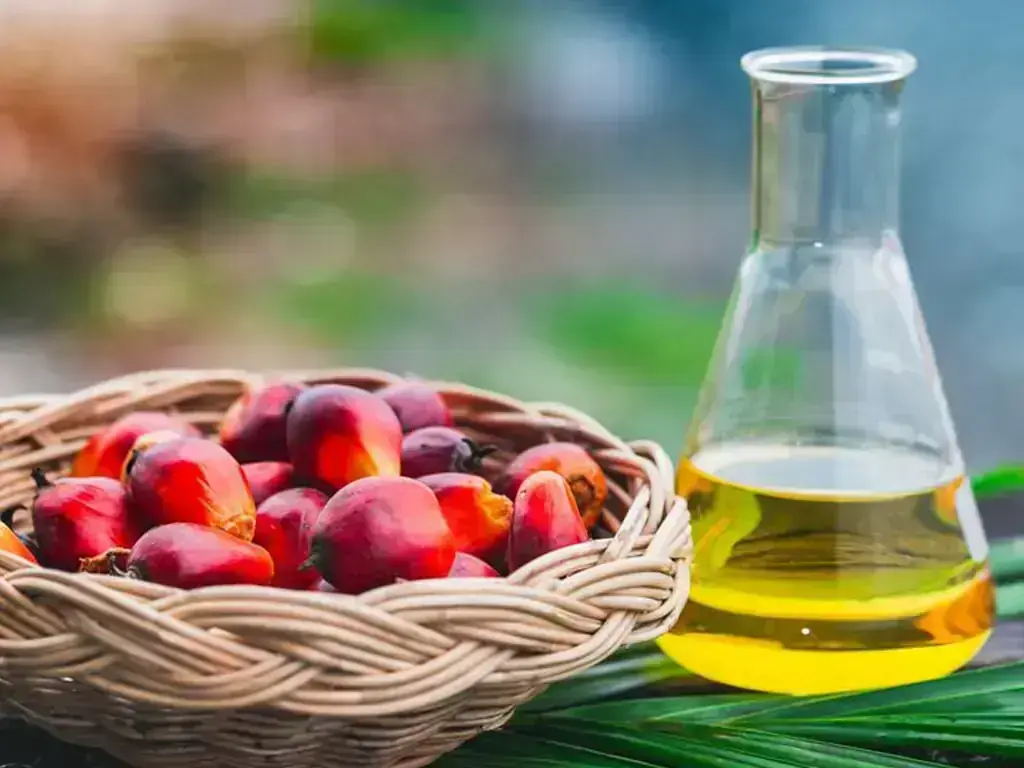
Malaysian palm oil futures surged to a two-week high on Tuesday, driven by concerns over potential supply shortages next year due to El Niño and increasing biodiesel demand, despite elevated stockpiles. The December contract on Bursa Malaysia Derivatives Exchange climbed 45 ringgit, or 0.97%, to 4,682 ringgit ($1,146.43) per metric ton, the highest closing price since September 24.
Cheang Kang Wei, an agricultural commodities analyst at StoneX brokerage, noted that Malaysia's palm oil stockpiles in September skyrocketed to 3.51 million metric tons, exceeding market expectations and setting new records. However, Cheang highlighted that the crucial question remains whether stocks can keep rising in October. If exports continue above 1.5 million tons and production stabilizes around 2.0 million tons by November, stock growth should start moderating, Cheang added.
Yet, if demand disappoints while production remains near record levels, stocks could remain above 3.5 million tons for an extended period, exerting downward pressure on prices.
Cargo surveyors reported that exports of Malaysian palm oil products for October 1-10 increased between 33.5% and 37.7% compared to the previous month. Palm oil prices fell as traders evaluated potential supply risks from attacks on Saudi Arabia and anticipated additional diesel supplies from Russia. Weaker crude oil futures also made palm a less appealing option for biodiesel feedstock.
Dalian's most-active soyoil contract declined 0.65%, while its palm oil contract fell 0.77%. Soyoil prices on the Chicago Board of Trade rose by 0.55%. Palm oil shares the price movements of other edible oils, competing for a stake in the global vegetable oils market.
Written by urgent.news from Business Recorder's reporting — not their text. Machine-written — may contain errors; check the original before relying on it.