‘Pakistan’s poverty rate higher than India, B’desh’
WASHINGTON: More than one-third of Pakistan’s population faces overlapping deprivations in health, education and living standards, according to the United Nations Development Programme’s (UNDP) Multidimensional Poverty Index (MPI) released on Monday. Figures released by the UNDP in New York show that 38.3 per cent of Pakistan’s population was multidimensionally poor, compared with 16.4 per cent…
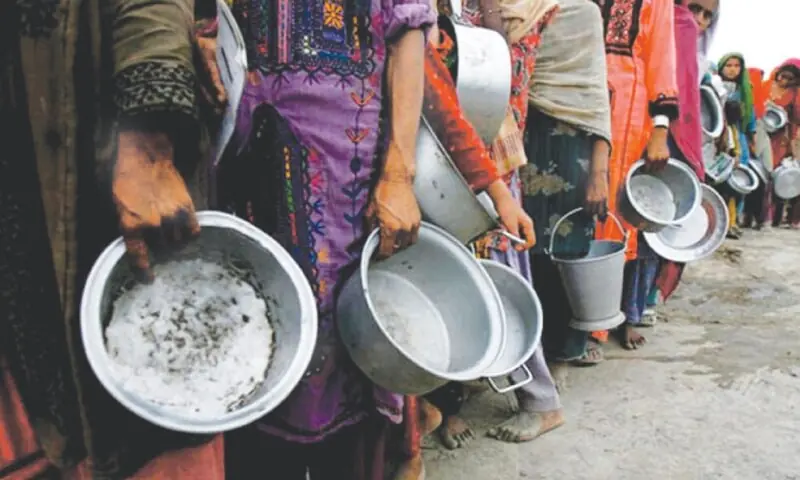
The United Nations Development Programme (UNDP) has released its Multidimensional Poverty Index (MPI) for Pakistan, India, and Bangladesh, revealing that Pakistan has a higher poverty rate compared to its neighboring countries. According to the UNDP, 38.3 percent of Pakistan's population is multidimensionally poor, while 16.4 percent in India and 14.9 percent in Bangladesh face similar hardships.
The MPI assesses poverty not just by income levels but by overlapping deprivations in various sectors, such as health, education, and living standards. In Pakistan, the intensity of deprivation among those classified as multidimensionally poor is 51.7 percent. Besides the 38.3 percent multidimensionally poor, an additional 12.9 percent is vulnerable to falling into acute deprivation.
This multidimensional poverty is not solely a matter of income shortages; it also encompasses inadequate nutrition, missed schooling, and a lack of basic services like clean water or electricity. South Asia accounts for a significant portion of global deprivations in these areas. The UNDP report highlights that at least one-third of global deprivations in nutrition, housing, and years of schooling occur in this region.
Furthermore, 150 million people in South Asia live in households where a school-aged child is not attending school, underscoring the persistent barriers to education despite development gains. The global trend in multidimensional poverty has worsened, with the number of people living in such conditions rising for the first time in 15 years.
Now, 1.2 billion individuals are affected, a 51.5 million increase from the previous assessment. Children make up over half of this population, with 617 million living in multidimensional poverty. Additionally, 83 percent of the total affected population resides in rural areas. According to the UNDP, South Asia contributes to at least one-third of these global deprivations in nutrition, housing, and years of schooling.
The report also points out that 150 million people in South Asia are deprived of school attendance for their children, indicating persistent educational challenges despite broader development progress.
Rewritten by urgent.news; may contain errors — check the original.
Source: dawn.com