Outlook of the national palm oil sector in 2027
The government should put an end to the various rules that stifle investment and instead focus on building a healthy, competitive business climate that ensures legal certainty.
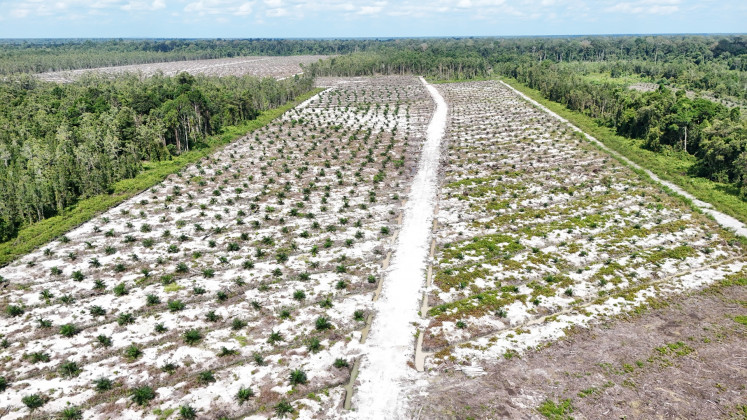
As we approach 2027, Indonesia's palm oil sector continues to demonstrate remarkable resilience despite facing numerous challenges. Over the years, the industry has weathered a tumultuous landscape, including negative campaigns, stringent international market standards, and the complexities of the domestic business climate. Despite these hurdles, palm oil remains a crucial pillar of the nation's foreign exchange earnings and economic stability.
However, the sector's resilience has its limits. With the looming threat of legal uncertainty and conflicting regulations, the government must take decisive action to create a healthy, competitive business environment that ensures legal certainty. This sentiment was echoed at the annual Indonesian Palm Oil Conference (IPOC) held in Bali, where discussions centered on the need to eliminate obstacles stifling investment.
One significant development that garnered attention was the government's decision to grant PT Agrinas Palma Nusantara (Agrinas), a 400,000-hectare palm oil concession in Papua. This concession, which automatically reclassifies previously designated forest areas as "other land use," sets a precedent for revisiting the national forest land use map to accommodate sustainable and ethical palm oil cultivation.
The key to successful land-use decisions lies in conducting comprehensive environmental and social impact assessments, evaluating conservation and carbon stock values, and consulting with indigenous communities. Degraded land suitable for agriculture should be excluded from the forestry sector, while areas with high carbon sequestration potential and biodiversity hotspots must be preserved.
As the palm oil sector navigates these challenges, it is crucial for the government to prioritize creating a stable and transparent business climate. By doing so, Indonesia can ensure the long-term success of its palm oil industry while safeguarding the country's natural resources and indigenous communities.
Written by urgent.news from The Jakarta Post's reporting — not their text. Machine-written — may contain errors; check the original before relying on it.