On this day in space! Oct. 13, 1773: Astronomer Charles Messier discovers the Whirlpool Galaxy before we ever knew it was a galaxy
On Oct. 13, 1773, a French astronomer named Charles Messier discovered the "Whirlpool Galaxy," also known as Messier 51, or M51. Here's why it mattered.
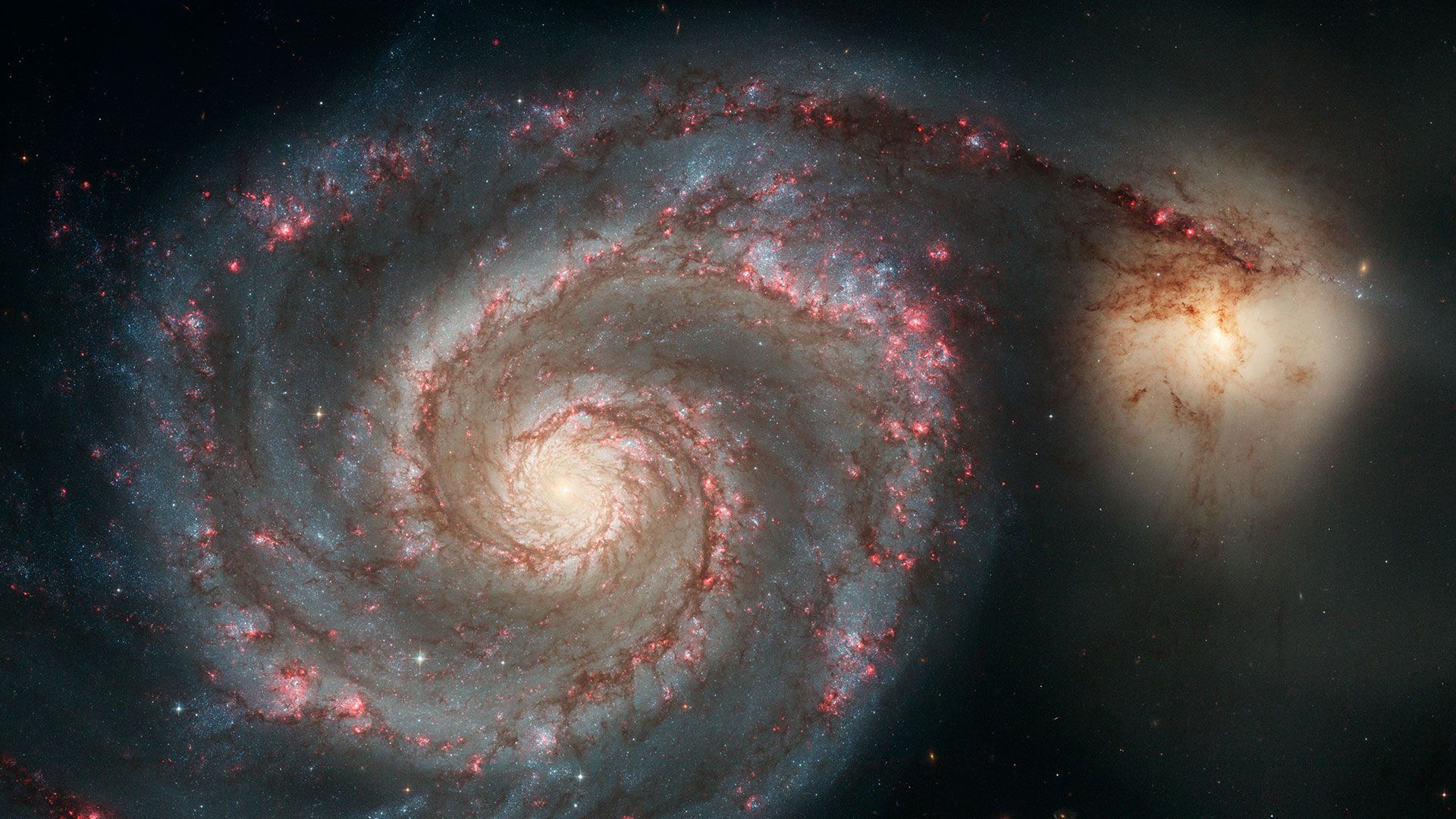
On October 13, 1773, astronomer Charles Messier made a significant discovery in the field of space when he identified the Whirlpool Galaxy, also known as Messier 51 (M51) or M51, as one of 51 non-comet objects to chart in the night sky. At the time, Messier was an astronomer at the Marine Observatory in Paris, dedicated to studying comets.
He catalogued the galaxy as M51, marking it as the 51st non-comet object in his list. However, due to the limitations of his telescope, he was unable to discern the spiral structure of the Whirlpool Galaxy or recognize it as a galaxy. It was not until 1926 that astronomer William Parsons observed the whirlpool shape of M51, mistakenly identifying it as a spiral nebula.
The true nature of the Whirlpool Galaxy was eventually revealed by Edwin Hubble in the mid-20th century, confirming that M51 and similar features were indeed galaxies. The Whirlpool Galaxy is located approximately 31 million light-years from Earth and is characterized by its striking spiral arms composed of stars, gas, and dust.
The smaller galaxy to its right, NGC 5195, is actually more distant than M51 and plays a role in triggering star formation within the Whirlpool Galaxy due to its gravitational interaction.
Written by urgent.news from Space.com's reporting — not their text. Machine-written — may contain errors; check the original before relying on it.