Oil falls as Russian diesel supply prospects counter Gulf supply risks
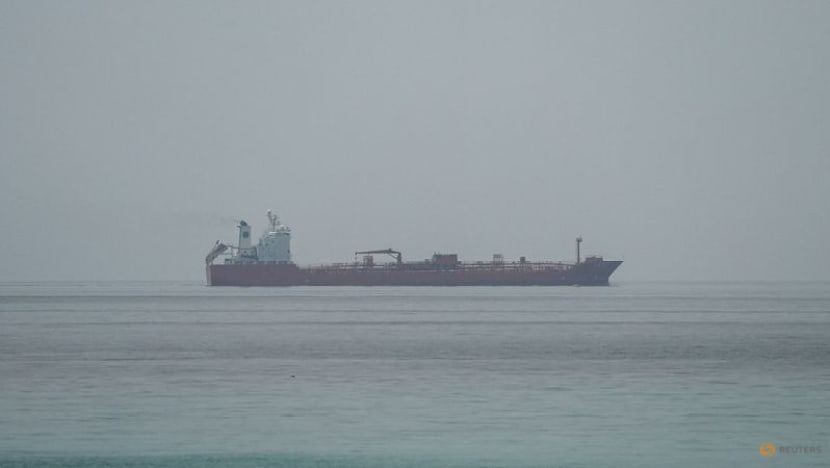
Oil prices experienced a mixed day on Tuesday as the possibility of a US-Russia diesel deal boosting supplies from Moscow countered risks of additional supply disruptions due to attacks in Saudi Arabia and Yemen. Brent futures settled at $105.69 per barrel, down 96 cents or 0.9 percent from Monday, its highest settlement since September 15.
US West Texas Intermediate crude futures rose 40 cents, or 0.4 percent, to settle at $94.14, its highest close since September 24. WTI futures for the year 2027 hit a record high for a 12th consecutive day, reaching $84 per barrel. US President Donald Trump's envoys informed Ukrainian officials on Friday that the diesel deal aimed to re-engage Russia in negotiations over a potential peace settlement in Ukraine.
Russia, the world's third-largest crude oil producer in 2025, could benefit from a potential deal to end the Russia-Ukraine conflict, allowing it to export more energy. Ukraine had no prior warning from Western partners prior to a Russian missile attack on its capital, President Volodymyr Zelenskiy reported on Tuesday. Trump stated that the US would continue sharing intelligence while pressuring Kyiv to cease attacks on Russian refineries.
The diesel deal was designated solely for the global market, not the US, as US diesel futures surged around 5 percent on Tuesday. Diesel prices reached record highs in several parts of the world due to supply disruptions stemming from Ukraine's attacks on Russian energy infrastructure and Iran's strikes on Middle Eastern energy infrastructure.
Elsewhere, the UK's intelligence chief revealed that Russia and Iran were intensifying hybrid warfare campaigns against Britain.
Rewritten by urgent.news; may contain errors — check the original.
Sources: businesstimes.com.sg · channelnewsasia.com
Other reports of this story
- Oil falls as Russian diesel supply prospects counter Gulf supply risks businesstimes.com.sg
- Oil retreats as Russian diesel supply prospects counter Gulf supply risks channelnewsasia.com