Oil falls as Russia diesel supply prospects counter Gulf supply risks
Oil prices fell on Tuesday and were on track for their first decline in nearly a week, as traders assessed supply risks from attacks on Saudi Arabia while weighing the prospect of additional diesel supplies from Russia.
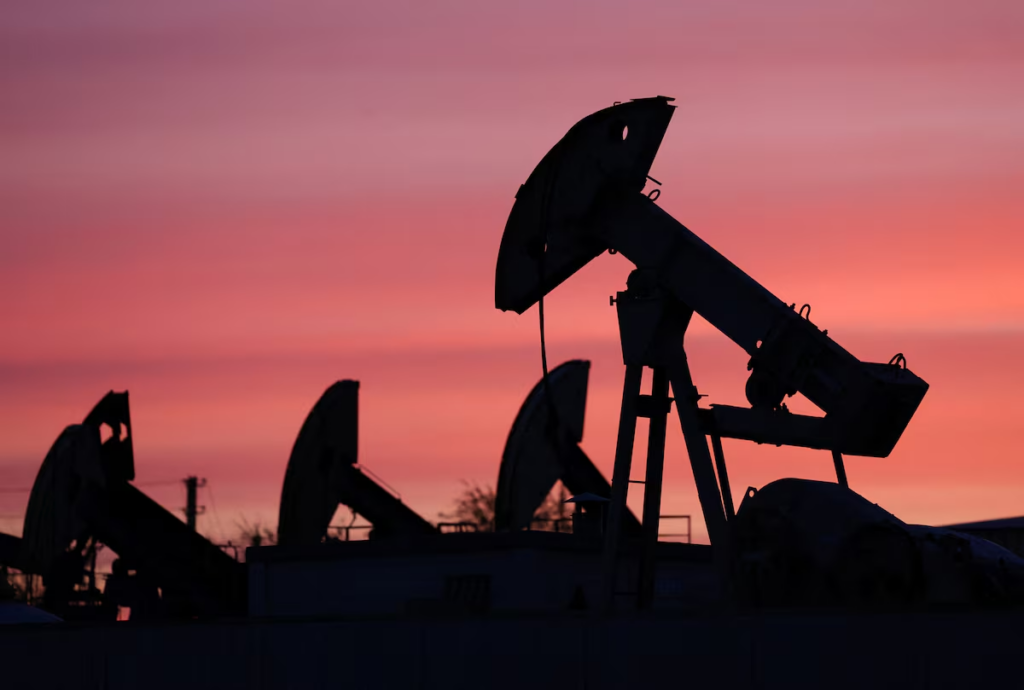
Oil prices experienced a decline on Tuesday, with traders evaluating supply risks from attacks on Saudi Arabia and the possibility of additional diesel supplies from Russia. Brent crude futures dropped $1.30, or 1.2%, to $105.35 a barrel, while US West Texas Intermediate crude futures fell $1.25, or 1.3%, to $92.49 a barrel. Despite this, Brent crude futures had risen nearly $2 a barrel the previous session, hitting its highest level since September 15.
US President Donald Trump announced that Russia had agreed to supply diesel to global markets, and his administration temporarily lifted US sanctions on Russian fuel to deprive Moscow of revenue for its war in Ukraine. This additional supply could alleviate tightness in global fuel markets, mitigating some supply concerns that have driven crude prices upward.
However, there were doubts about the Russia-Ukraine energy ceasefire, as reported incidents of Russia targeting Ukrainian energy infrastructure raised skepticism. US lawmakers also criticized Trump's agreement with Putin, arguing it violated US law prohibiting imports of Russian energy until the aggression against Ukraine ceased.
Concerns about the vulnerability of Gulf energy infrastructure and shipping lanes persisted following attacks by Iran-aligned Houthis on Riyadh’s international airport and tanker attacks near the Strait of Hormuz. These incidents threatened to disrupt a recovery in Middle East supplies observed in September and heightened fears of further disruptions in one of the world's most crucial energy transit routes.
OPEC and non-OPEC Participating Countries in the Declaration of Cooperation noted that shipping and insurance costs had surged to unprecedented levels, exceeding one-third of the commodity value, which hindered efficient movement of crude oil and products. OPEC revised its oil demand growth forecast for the year downward to 400,000 barrels per day from the initial estimate of 1.4 million bpd.
Analysts, like KCM Trade's Tim Waterer, believed that while the prospect of additional diesel supplies from Russia and steadier Saudi flows provided some relief, the market remained more worried about potential further hits to ships or pipelines in the Gulf than reassured by the extra barrels. Until clearer signs of de-escalation emerged, the path of least resistance still appeared to be higher crude prices.
Rewritten by urgent.news; may contain errors — check the original.
Sources: theins.press · brecorder.com · semafor.com · cbsnews.com · channelnewsasia.com · nst.com.my · investing.com · myjoyonline.com
This story
This is one outlet's version. Read the fullest account.
- Russia can meet promised diesel exports to U.S. and global markets only at the expense of domestic strategic reserves, expert says theins.press
- Oil ticks lower as Russia diesel supply prospects counter Gulf supply risks brecorder.com
- Oil ticks lower as Russia diesel supply prospects counter Gulf supply risks nst.com.my
- Trump defends Russia diesel deal as prices rise: "The right choice for the American people" cbsnews.com
- Trump faces Russia diesel deal blowback semafor.com
- Oil ticks lower as Russia diesel supply prospects counter Gulf supply risks investing.com
- Oil ticks lower as Russia diesel supply prospects counter Gulf supply risks channelnewsasia.com