Not just about tax: why Australia’s tech entrepreneurs are moving to Singapore
Investor Ben Lindsay relocated with his wife, dog in tow, from Sydney to Singapore in March, with his sights set on growing venture capital firm Investible from an Australian outfit into an Asia-Pacific one. Lindsay is among a growing number of investors, businessmen and tech founders from down under who are setting up bases and relocating to Singapore, Dubai and San Francisco to expand their…
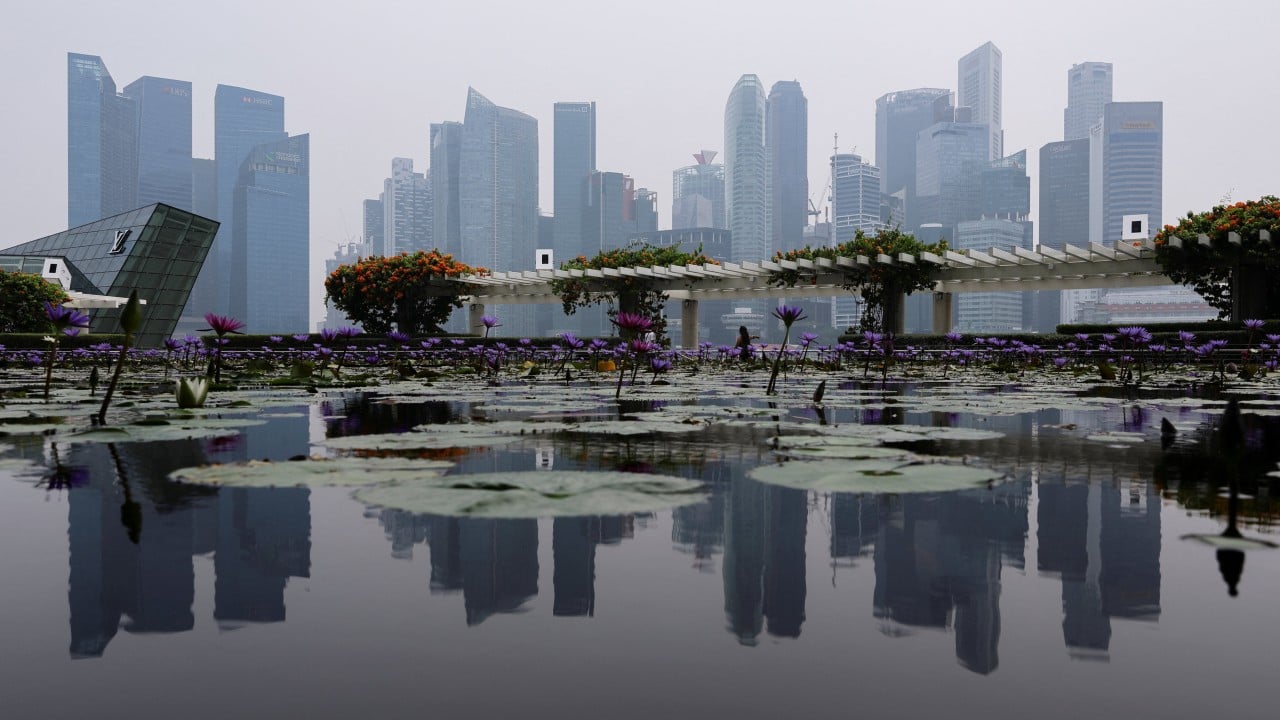
Australian tech entrepreneurs are increasingly moving to Singapore for reasons beyond just tax benefits, according to recent reports. Ben Lindsay, founder of venture capital firm Investible, relocated to Singapore in March to expand his firm's reach in the Asia-Pacific region. Adrian Portelli, founder of LMCT+, recently announced his move to Dubai, while Fred Schebesta, co-founder of Finder, also relocated to Singapore citing favorable business climate.
This trend follows Australia's announcement of major tax reforms in May, which were met with skepticism from business owners and investors. The new tax rules are set to replace the current 50 per cent CGT discount with one based on actual inflation rates, with a minimum 30 per cent tax on gains taking effect from July 1, 2027. However, Lindsay emphasized that tax was not the primary driver for his decision, noting the business and investment community in Singapore as well as its educational system and global influence.
Singapore's commitment to research and its role as a regional hub also made it an ideal base for his climate and deep tech investments. Roy Green, a professor at the University of Technology Sydney, noted that the phenomenon of Australian entrepreneurs moving elsewhere is not new, but the country still has a vibrant startup community.
Australian entrepreneurs and SMEs have shown growing interest in Singapore as a base for regional growth, and industry players see Singapore as an important gateway for Australian businesses looking to engage Southeast Asia and collaborate across priority sectors.
Written by urgent.news from South China Morning Post's reporting — not their text. Machine-written — may contain errors; check the original before relying on it.