Urgent.News

What's breaking now, across hundreds of outlets.

Health & Medicine

New research has linked 12% of cancer cases to infections: what does this mean? | In Focus Podcast

Dr Rajeev Jayadevan explains what the new study linking a number of cancer cases with infections signifies, details how vaccines can help with certain infections, why low- and middle- income countries may be more vulnerable, and what preventive strategies can be taken.

New research has linked 12% of cancer cases to infections: what does this mean? | In Focus Podcast

A recent study by the International Agency for Research on Cancer (IARC) has revealed that infections are responsible for 12% of all new cancer cases globally in 2024, amounting to 2.3 million cases. These infections are primarily caused by bacteria and several viruses. Surprisingly, a significant proportion of these cases occurred in low- and middle-income countries. The cancers linked to infectious agents include those of the liver, stomach, and cervix, among others.

It raises the question of whether vaccines could eliminate these cancer types. Currently, vaccines exist for some of the viruses associated with these cancers, such as the human papillomavirus (HPV) vaccine for cervical cancer. However, vaccines for other viruses and bacteria that cause cancer are not yet available.

To address this issue, the study suggests that preventive measures such as screening programmes could be crucial. Early detection of infected individuals and timely intervention could potentially reduce the incidence of cancer caused by infections. However, the availability and accessibility of vaccines, screening programmes, and preventive measures may vary significantly across different countries, particularly in low- and middle-income regions where the majority of these cancer cases are found.

Rewritten by urgent.news; may contain errors — check the original.

Source: thehindu.com

Other reports of this story

Every outlet that reported this, and when →

Read the original at thehindu.com →

Report a problem with this story

More in Health & Medicine

Climate change is an HIV story. Here’s how to report it

Climate change doesn't change the virus or make it more infectious or deadly. It changes the infrastructure and systems — such as roads, clinics and patient records — that hold HIV in check. Here's how the two connect, and how to report it. The post Climate change is an HIV story. Here’s how to report it appeared first on Bhekisisa .

BHEKISISA CROSSWORD #19

From health policy to the people behind the stories, our crossword takes you through Bhekisisa’s archive one clue at a time. How many can you solve without looking up the answers?

GC Biopharma Develops Advanced Test to Detect Hunterase-Related Allergic Antibodies

GC Biopharma has developed a new analytical method to detect drug-specific immunoglobulin E (IgE) antibodies that may trigger allergic reactions in patients receiving Hunterase, its treatment for…

  • GC Biopharma introduces advanced assay to detect IgE antibodies in Hunterase patients.
  • Research published in Journal of Immunological Methods on October 13.
  • Assay enables precise monitoring of drug-specific IgE-mediated hypersensitivity.

Who cares for the carers? Malnutrition and its mental health toll

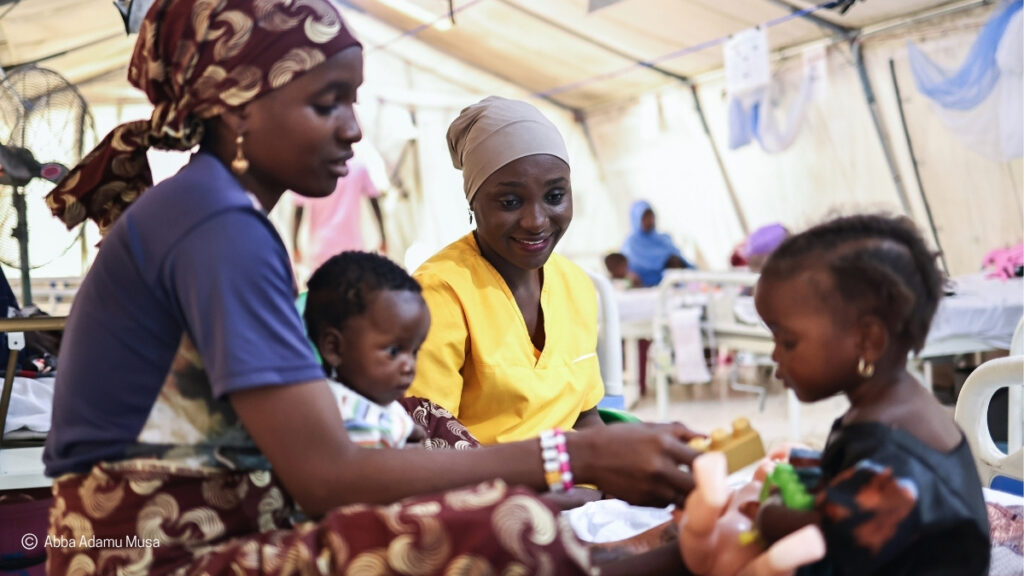
SPONSORED CONTENT The cries of children fill the intensive care unit of the Médecins Sans Frontières/Doctors Without Borders (MSF) Nilefa Kiji nutrition facility in Maiduguri, Borno state, Nigeria. Nurses move from bed to bed checking vital signs, dispensing therapeutic milk, and reassuring anxious parents.

More from Tuesday 13 October →