Millions of Medicaid recipients to face draconian requirements as of 1 January
Trump’s reform law that seeks to make coverage harder to get, and to keep, includes working 80 hours per month It is a date keeping US healthcare providers up at night: 1 January 2027. As the midterm elections loom, everyone from hospital leaders and to patient advocates are focused on the New Year, when Republicans scheduled the most controversial elements of their healthcare reform law to go…
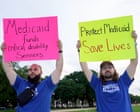
As of January 1, 2027, millions of Medicaid recipients will face stringent new requirements, according to Trump's healthcare reform law. This legislation, also known as the "One Big Beautiful Bill Act," was signed into law on July 4, 2025, and aims to reduce federal spending on healthcare by approximately $1 trillion. One of the most controversial elements of the law is the requirement for Medicaid beneficiaries to work 80 hours per month or earn $580 per month, in addition to proof of employment, education or volunteering.
This change affects around 20 million people in the 44 states that expanded Medicaid under the Affordable Care Act (ACA) of 2010.
The American Academy of Pediatrics president, Dr. Andrew Racine, has expressed concern over the potential costs to families and society as a whole. HR 1, paired with Republicans' refusal to extend subsidies for Obamacare plans, is expected to leave about 17 million individuals uninsured by 2034. Critics argue that these work requirements will increase medical debt, delayed care, and uninsured individuals, exacerbating medical debt and putting additional strain on healthcare providers.
The Medicaid program, which currently covers 82 million people or 23% of the American public, has been a significant target for Republicans. The legislation will also shorten retroactive Medicaid benefits from three months to two or one month, depending on the applicant and state. Advocates from various groups, including those for the elderly and children, are worried about the potential impact on services and coverage for vulnerable populations.
Written by urgent.news from The Guardian US's reporting — not their text. Machine-written — may contain errors; check the original before relying on it.