Microsoft Surface Laptop Ultra RTX Spark pre-orders are now live
Nvidia RTX Spark laptop pre-orders are now live, with the Surface Laptop Ultra offering businesses serious local AI processing power.
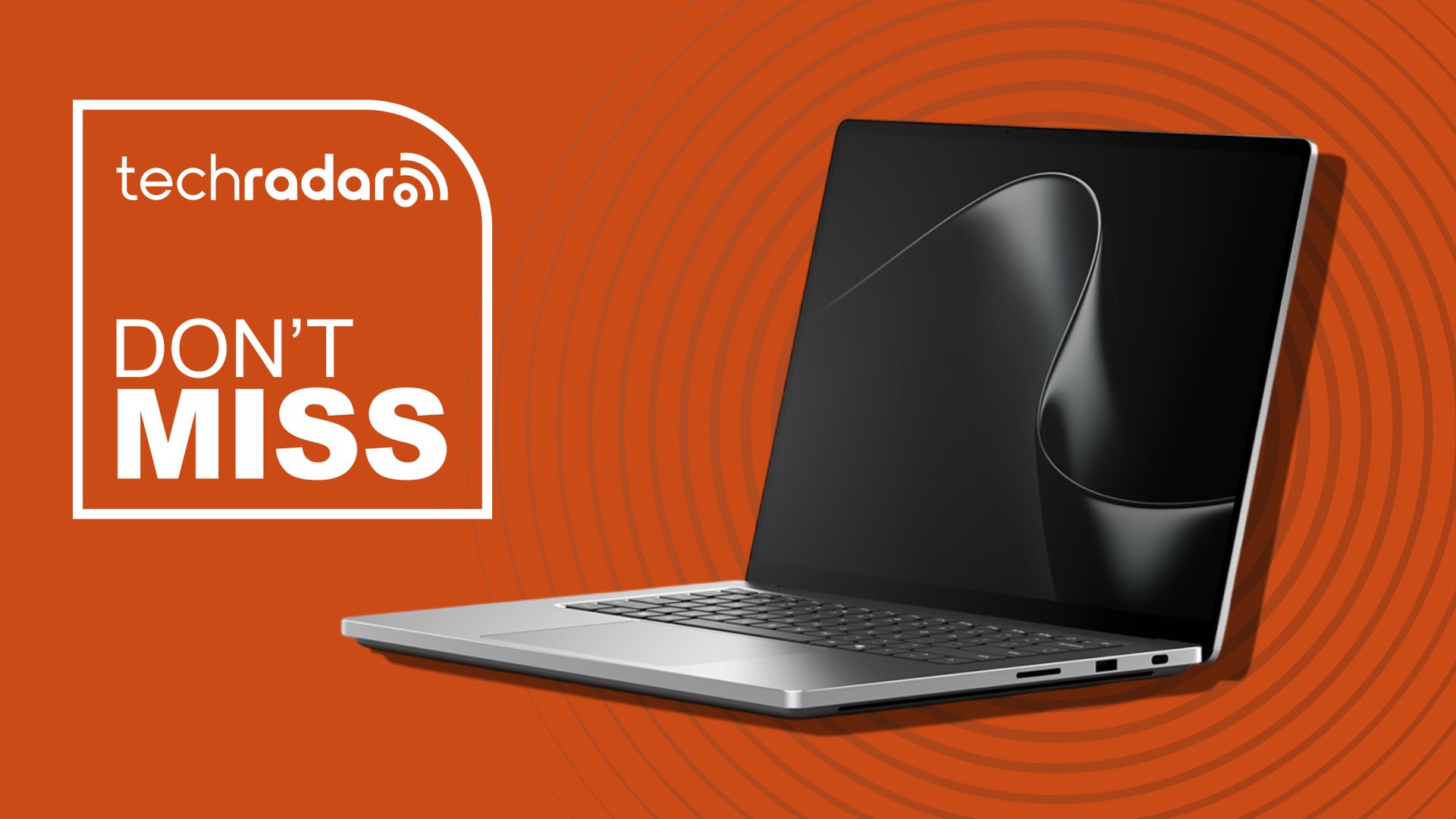
Microsoft has begun taking pre-orders for its Surface Laptop Ultra, a device aimed at challenging the MacBook Pro. This new laptop boasts Nvidia RTX Spark processing, Blackwell graphics, and up to 128GB of unified memory. The Surface Laptop Ultra is positioned as a portable powerhouse, capable of handling intensive AI workloads without relying solely on cloud services.
Designed for AI developers, researchers, creative professionals, and businesses, the Surface Laptop Ultra offers a range of features. Starting at $2,599.99 in the US, this device includes an 18-core CPU paired with a 5120-core Nvidia Blackwell RTX GPU. For those who need even more power, a higher-end configuration offers a 20-core CPU and 6144-core GPU. The laptop's memory options range from 24GB to 128GB, all accessible via LPDDR5x unified memory.
The Surface Laptop Ultra features a 15-inch PixelSense Ultra touchscreen with a high resolution of 3270 x 2180 pixels and a dynamic refresh rate capable of reaching 120Hz. This display supports 100% DCI-P3 color coverage, Dolby Vision IQ, and can achieve an HDR brightness of 2,000 nits. Connectivity options are extensive, featuring three USB4-capable USB-C ports, HDMI 2.1b, USB-A 3.1, an SD card reader, and a traditional headphone jack.
Additionally, the laptop supports Wi-Fi 7, Bluetooth 5.4, a 1080p webcam, and a precision haptic touchpad.
Battery life is rated for up to 15 hours of video playback or 12 hours of active web browsing, though intensive AI processing will significantly impact battery consumption. While the Surface Laptop Ultra is designed to handle demanding AI applications locally, users who primarily rely on standard Microsoft 365 applications, web browsing, email, and video conferencing might find a more affordable conventional business laptop more suitable for their needs.
Written by urgent.news from TechRadar's reporting — not their text. Machine-written — may contain errors; check the original before relying on it.