Meet Anika Puri, 17, who built $300 AI tool to spot elephant poachers and won $25,000
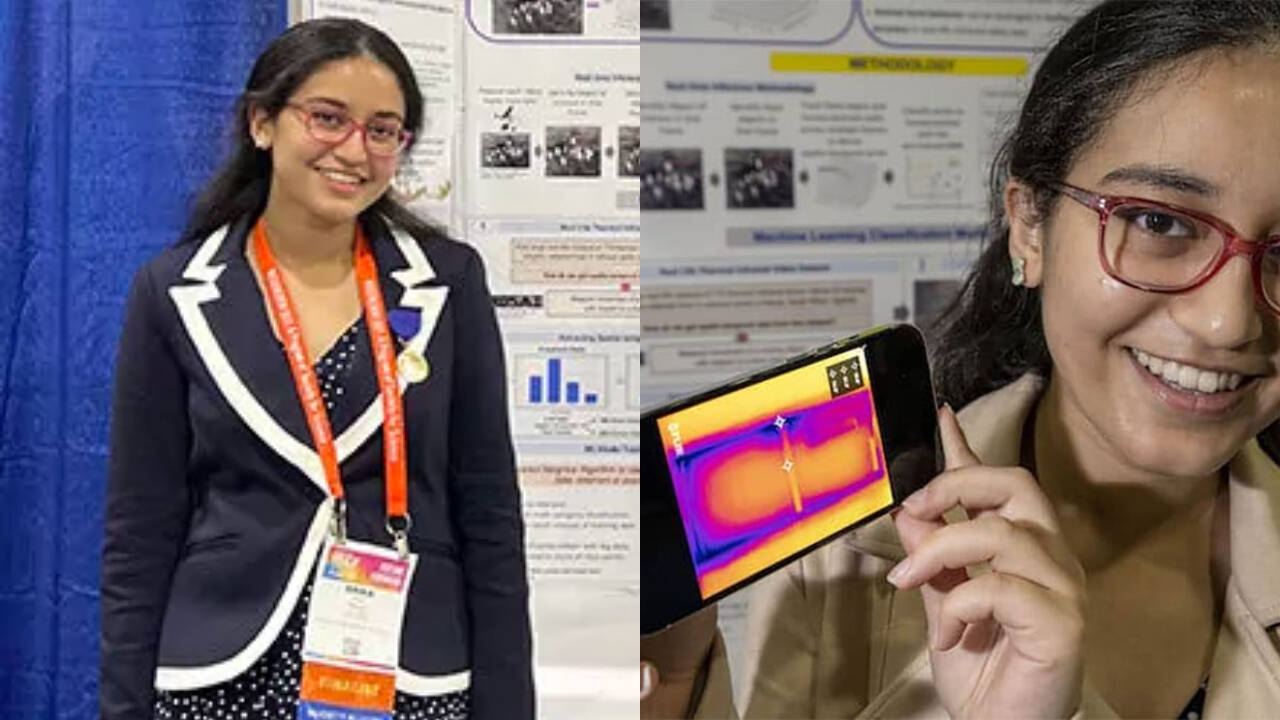
Anika Puri, a 17-year-old Indian-American student from Chappaqua, New York, has developed an innovative AI tool called ElSa to combat elephant poaching. The project earned her a $25,000 scholarship from the 2022 Davidson Fellowship as it showcases her engineering skills and potential applications in wildlife conservation.
ElSa leverages artificial intelligence, drone technology, and analysis of human and animal movement patterns to identify potential poachers in nighttime drone footage. This low-cost system was designed to address the challenges faced by park rangers during nighttime patrols, where poachers can be difficult to detect even with thermal imaging technology.
The key to ElSa's effectiveness lies in its ability to analyze spatio-temporal patterns in video footage, including factors such as speed, turning radius, and movement behavior. By examining these characteristics across successive video frames, the algorithm can distinguish humans from animals more reliably than traditional methods that rely on static images.
During her research, Puri discovered that existing detection systems often achieved only 20% accuracy in identifying poachers, and human operators faced risks of fatigue and missed activity when watching hours of footage. By studying movement patterns instead of solely relying on visual cues, ElSa has achieved a 90.9% accuracy rate in detecting humans in thermal infrared videos, representing a significant improvement over existing methods.
One of the main advantages of ElSa is its affordability, with the prototype costing around $300 to build using commercially available components. This significantly lower price point could make the technology more accessible to conservation programs in regions like Africa and Asia, where limited budgets and resources often hinder effective wildlife protection efforts.
While ElSa cannot definitively determine if a person is a poacher, it can help rangers flag potentially suspicious activity for further investigation. By providing conservation teams with a faster and more efficient way to identify threats, ElSa demonstrates how artificial intelligence can be applied beyond commercial uses to address critical challenges in biodiversity and environmental sustainability.
Written by urgent.news from Times of India's reporting — not their text. Machine-written — may contain errors; check the original before relying on it.