Mastermind or fraudster? How a musician used AI and fake bots to steal millions from streaming platforms
A musician earned millions through an unprecedented streaming fraud scheme by using AI to generate hundreds of thousands of fake songs and operating an army of bots to stream them across major platforms.
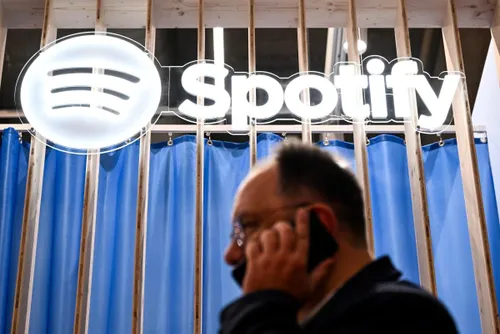
Michael Smith, a musician, has been convicted of a highly sophisticated form of fraud in the United States. His ingenious scheme involved using artificial intelligence to generate millions of streams for his synthetic tracks on popular music streaming platforms such as Spotify, Apple Music, and Amazon Music. By deploying an extensive network of fake bots, Smith was able to stream his AI-generated songs continuously, thereby generating substantial illicit payouts.
The genius of Smith's operation lay in his ability to manipulate music streaming platforms’ royalty systems. These platforms pay out royalties based on the number of times a track is played, meaning that an artist's potential earnings are directly linked to their stream count. The higher the play count, the larger the payout.
Smith’s criminal scheme was carefully designed to avoid detection by the platforms’ algorithms. To prevent suspicion, he spread his automated streams across thousands of different tracks. At his peak, Smith was operating up to 10,000 bot accounts simultaneously. These bots were set up using fraudulent debit cards and disposable email addresses, ensuring that the phantom streams they generated remained undetected.
The U.S. Department of Justice described Smith's actions as a clear violation of public markets. In April 2023, streaming his AI-generated music, Smith’s bots managed to generate 80.9 million plays, eclipsing even the most popular tracks like Taylor Swift’s entire catalogue, which received 9.3 million streams on YouTube Music from family plan streams during the same month. Smith was found guilty and is now facing prison time for his actions.
Written by urgent.news from IOL's reporting — not their text. Machine-written — may contain errors; check the original before relying on it.