Lost in ‘brain fog’? Why your mind feels cloudy and sluggish
The difficulties associated with this form of cognitive impairment can affect your everyday life.
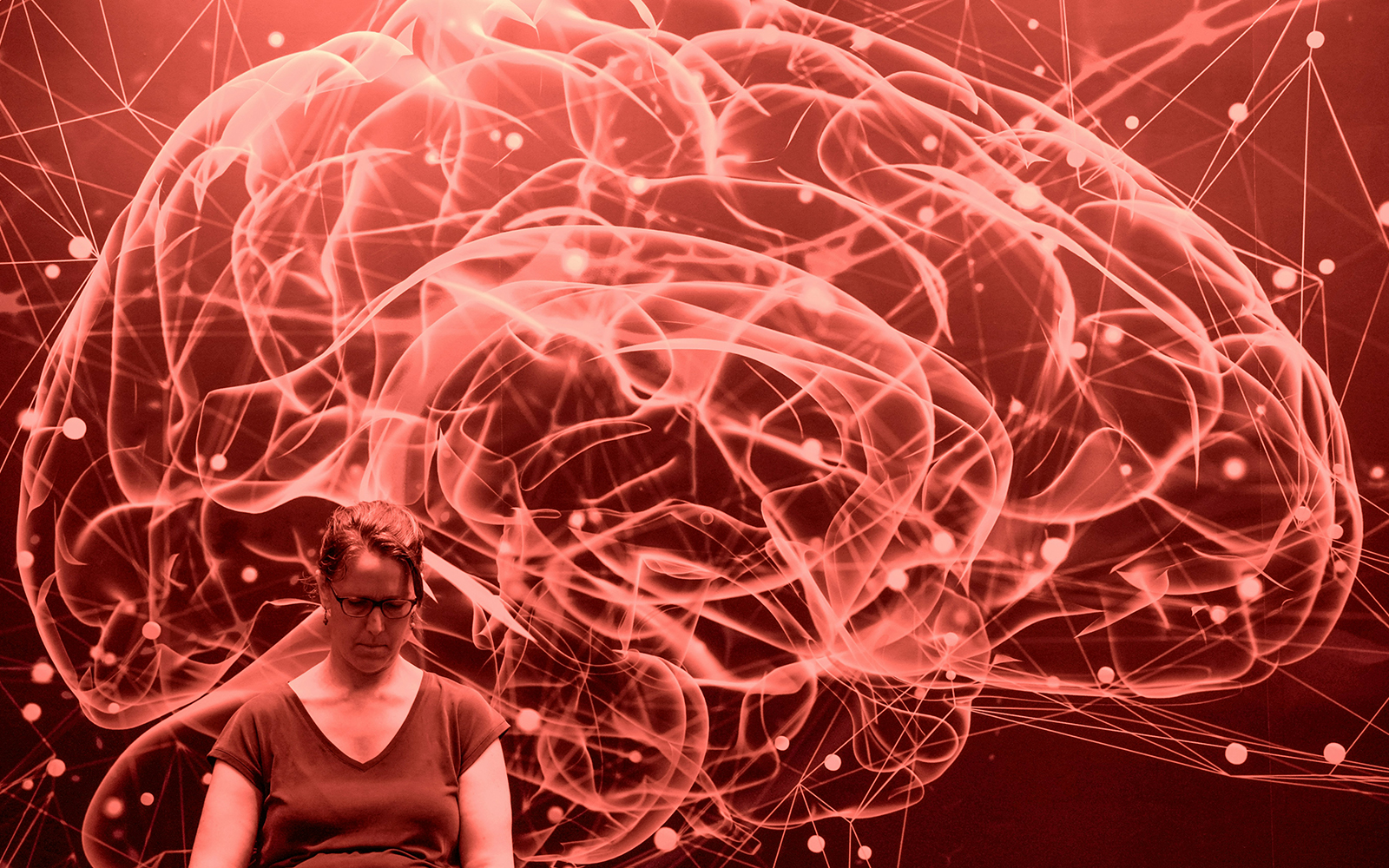
Brain fog, a colloquial term for a cluster of cognitive symptoms, is not a scientific medical diagnosis. However, individuals who have experienced Covid-19 have reported experiencing brain fog after recovering, attributing their less sharp mental state to the illness. This cognitive impairment stems from a phenomenon known as neuroinflammation, an inflammatory response in the brain and central nervous system associated with injury, infection, toxins, or disease.
It can result in the deterioration and loss of brain cells and potentially elevate the risk of neurodegenerative diseases such as Alzheimer's. Neuroinflammation may also contribute to delirium, a condition characterized by a sudden decline in cognitive functioning.
While brain fog is more prevalent in older adults and those with chronic illnesses, anyone can experience it. Factors like low attention spans from multitasking and increased screen time may exacerbate cognitive impairment. Screen usage, while not directly linked to brain fog, can lead to social isolation, negatively impacting mental health. Heavy reliance on technology also hampers concentration and cognitive wellbeing by causing constant device switching.
To counteract brain fog, regular health screenings are advised. Maintaining a balanced diet rich in antioxidants and nutrients, like papaya, sweet potatoes, and fish oil, can also reduce the risk of cognitive problems. Exercise, including at least 150 minutes of weekly activity with resistance training, and mental stimulation, such as lifelong learning and social engagement, are essential for preserving cognitive health.
Older adults should aim for social interactions at least twice a week to remain mentally active and connected. Lastly, when considering supplements for mental clarity, it is crucial to research brands and dosages carefully, with EGb 761, a standardized ginkgo biloba extract, being recommended for dementia, mild cognitive impairment, and dizziness.
Written by urgent.news from Free Malaysia Today's reporting — not their text. Machine-written — may contain errors; check the original before relying on it.
This story
This is one outlet's version. Read the fullest account.
- Lost in ‘brain fog’? Why your mind feels cloudy and sluggish freemalaysiatoday.com