La maniobra de Trump sobre el diésel ruso es interesada y no funcionará
El presidente de EEUU corre el riesgo de perjudicar a Ucrania para contener unos precios disparados por su propia guerra Leer
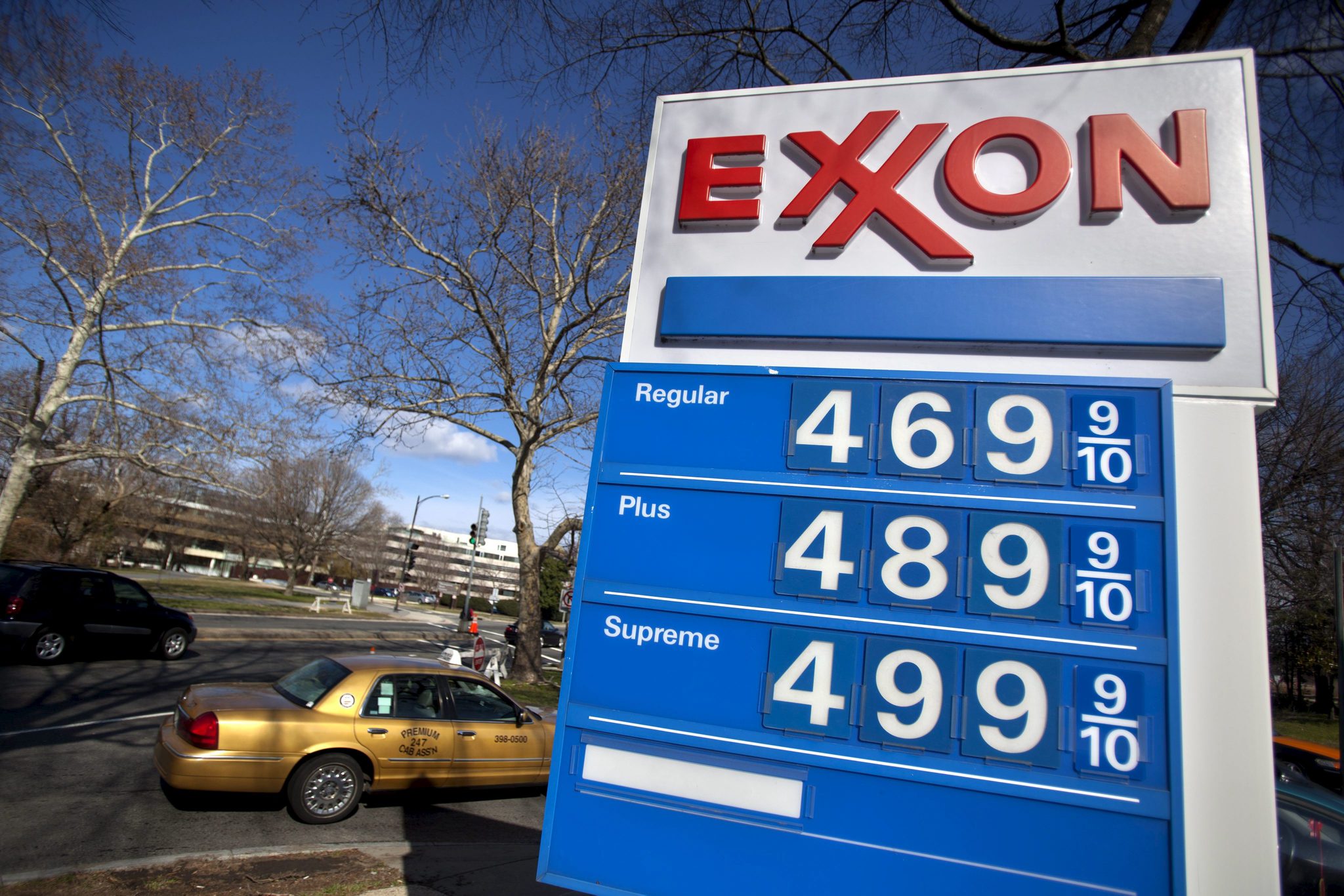
President Trump faces the risk of harming Ukraine in an effort to limit soaring diesel prices driven by his own war against Iran. As American households grapple with record diesel prices — a consequence almost entirely caused by the ill-conceived war of the president against Iran — his administration has engaged in days of diplomatic maneuvers to find a quick fix that undermines Ukraine in its conflict with Russia's Vladimir Putin.
On Friday, Trump announced an agreement with Putin to release Russian diesel supplies into global markets, thus compromising international sanctions designed to deprive Moscow of the revenues that finance its illegal invasion of Ukraine. Over the weekend, U.S. officials aggressively pressed Kiev to cease attacks on Russian oil refineries and urged European capitals to exert pressure on their ally.
According to the Financial Times, these officials justified their demands by threatening to cut intelligence sharing with Ukraine and its access to U.S.-made weapons supplied under a NATO-managed program.
On Sunday, Trump claimed on his social media platform Truth Social that Ukraine and Russia had agreed to an energy truce. Neither side has confirmed this accord. Ukrainian President Volodymyr Zelenski stated on Monday that Russian drones and missiles continued to attack Ukrainian electric and gas facilities throughout the night. Putin was notably unimpressed by the alleged Truth Social post, with Zelenski quipping, "Putin doesn't read Truth Social."
The U.S. strategy faces several significant flaws. First, it weakens Ukraine's position, as a comprehensive energy truce could provide much-needed relief to Kiev's electric grid during the winter months. However, the current proposal appears limited to oil refineries, benefiting Moscow, which has far more facilities to protect, while depriving Ukraine of a valuable bargaining chip. As EU foreign policy chief Kaja Kallas warned, there are no guarantees that Putin will respect any agreement.
Moreover, if the U.S. were to honor its threats to withdraw support from Ukraine, it would further undermine Kiev's defenses and negotiating position. The U.S. hypocrisy is equally egregious, as it has harshly criticized India and China for purchasing Russian oil and threatened sanctions for such purchases. By seeking to facilitate Russian diesel exports, Trump undermines the credibility of Western efforts to isolate Putin and makes it harder to convince other countries to shoulder the economic costs of doing so.
Even aside from ethical considerations, the administration's plan would not provide significant relief to consumers. U.S. diesel prices remain high, while the additional volume of Russian supplies promised would be modest. Indeed, if Moscow were to export just half a million tons per month — as it has promised — that amount would represent less than 4% of global demand.
Analysts also point to internal fuel shortages and refinery damage, factors that could limit Russian exports. Furthermore, any lasting relief would depend on the cessation of hostilities. The agreement also faces domestic opposition, with some Republican senators demanding that Trump correct the measure, arguing that it violates the 2022 U.S. prohibition on Russian energy imports.
Rewritten by urgent.news; may contain errors — check the original.
Source: expansion.com