Kuala Dungun’s wooden shophouses keep its trading past alive
Built nearly a century ago, the town’s surviving ‘kedai kayu’ still house everyday businesses while preserving a link to its days as a busy trading centre.
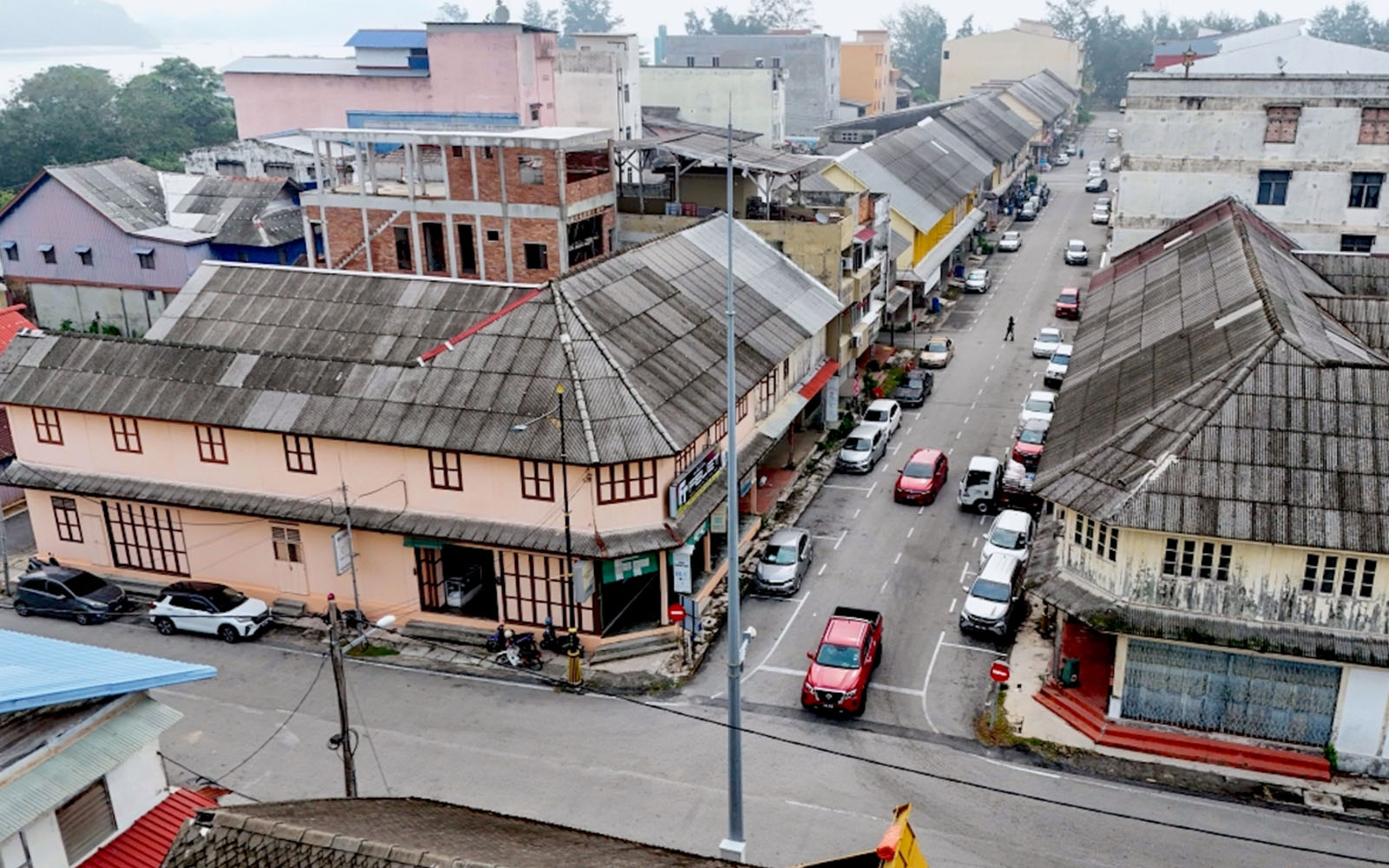
Kuala Dungun, Terengganu, is a town where its older commercial buildings, specifically two-storey wooden shophouses, continue to showcase the town's rich trading history. These structures, known locally as kedai kayu, have stood the test of time since the 1930s and provide a tangible link to the town's past.
Kuala Dungun's economic transformation from a fishing settlement to an important trading center was largely driven by the rise of iron ore mining in nearby Bukit Besi. This mining boom expanded economic activity and indirectly fueled trade in the district. Ang Ah Kiang, a 76-year-old trader and longtime resident, highlighted this connection, noting that the economic growth prompted the emergence of various shops catering to the needs of residents and workers.
The wooden shophouses, with about 100 units built between 1930 and 1960, have continued to serve their original purpose. Today, they house a diverse range of small businesses such as restaurants, hardware stores, electrical shops, motorcycle dealers, grocery stores, and photo shops. One such establishment is the restaurant run by Kamal Hamid, a 59-year-old who has been operating from a more-than-90-year-old premises since 1986.
Kamal's father previously rented the same shop, and he attributes the building's retention of its original structure to its past ownership by a former employee of the iron ore-mining company in Bukit Besi.
The story of these shophouses is intricately linked to the development of Kuala Dungun itself. The Dungun district office reorganized the town in 1933, creating wooden shoplots to accommodate the growing trade. This period saw the arrival of Hokkien migrants from southern China, many of whom settled around the Sungai Dungun estuary and opened businesses selling groceries, seafood, and rubber.
These migrants became closely associated with the wooden shophouses after the town's reorganization. While the businesses may have changed over time and some buildings have been altered, the surviving kedai kayu remain an integral part of the town's everyday streetscape, standing as a testament to how trade shaped Kuala Dungun nearly a century ago.
Written by urgent.news from Free Malaysia Today's reporting — not their text. Machine-written — may contain errors; check the original before relying on it.
This story
This is one outlet's version. Read the fullest account.
- Kuala Dungun’s wooden shophouses keep its trading past alive freemalaysiatoday.com