Ketamine and psychedelics share a surprising link to the immune system
Ketamine and psychedelics relieve severe depression in hours, but their exact mechanisms remain elusive. New research suggests these rapid-acting drugs share a biological pathway, fighting depression by rebalancing specific immune system signals in the brain and body.
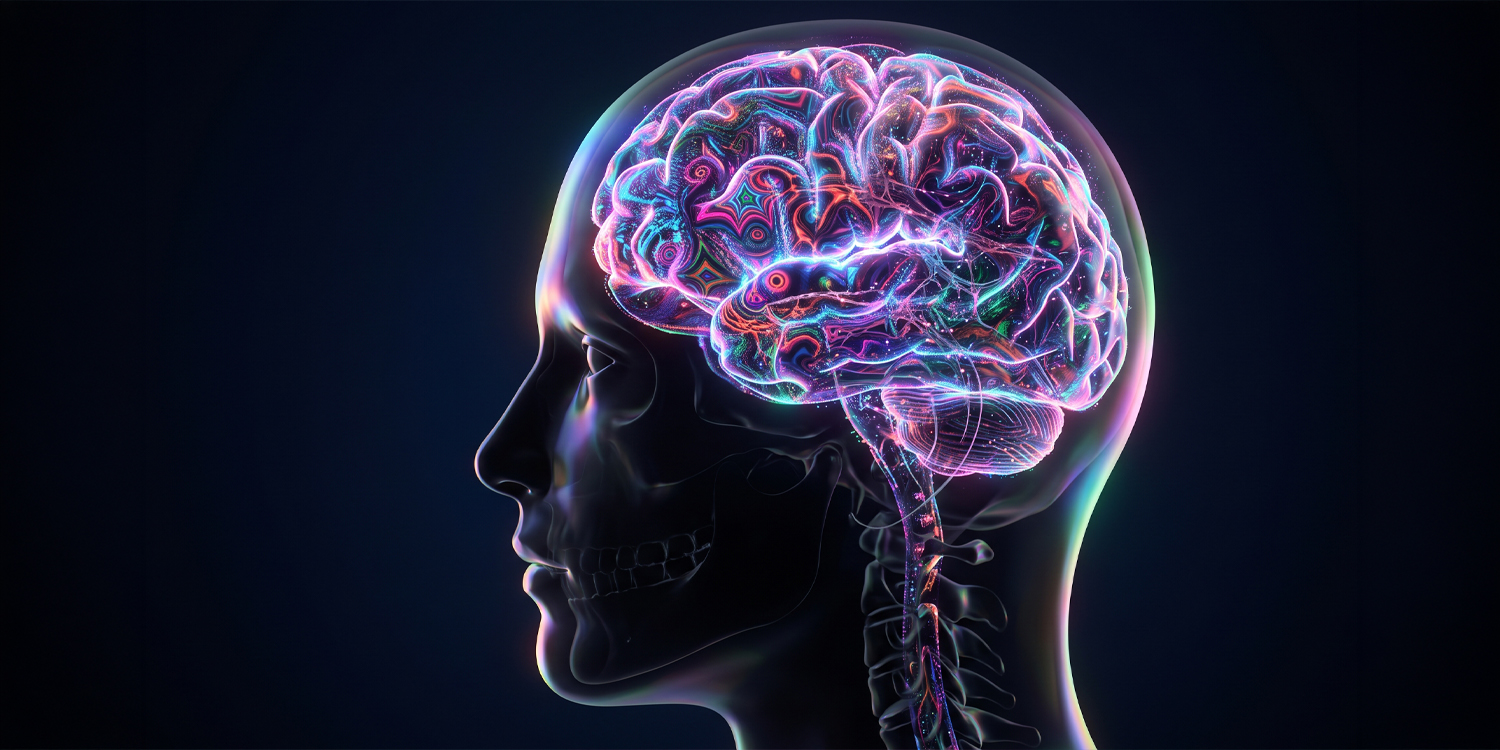
A recent study published in Molecular Psychiatry reveals a surprising link between rapid-acting antidepressants, such as ketamine and psychedelics, and the immune system. Researchers at the National Institute of Mental Health and The University of Texas MD Anderson Cancer Center found that these drugs target specific immune signaling pathways in the body and brain, potentially explaining their rapid antidepressant effects.
By examining lab-grown human brain cells and comparing the results with spinal fluid samples from patients who received intravenous ketamine, the team identified 103 proteins altered by ketamine and at least one of the psychedelics. The findings suggest that rebalancing these immune signaling molecules may predict a patient's response to treatment, offering hope for developing new therapies with fewer drawbacks, such as the need for repeated treatments or extensive clinical supervision.
Brief written by urgent.news from PsyPost's own syndicated text. Machine-written — may contain errors; check the original before relying on it.