Just 32 countries are driving 95% of global growth as the IMF warns of an increasingly uneven economy
The IMF raised its 2026 growth forecast to 3.1%, but warned that the AI boom and soaring energy costs are widening economic divides.
The International Monetary Fund has marginally increased its prediction for the global economy's growth this year, while concurrently highlighting growing risks from escalating debt levels, particularly surrounding the artificial intelligence (AI) surge. The IMF anticipates the global economy to expand at a 3.1% rate in 2026, up from its July estimate of 3.0% and significantly lower than the 3.5% growth observed in 2025.
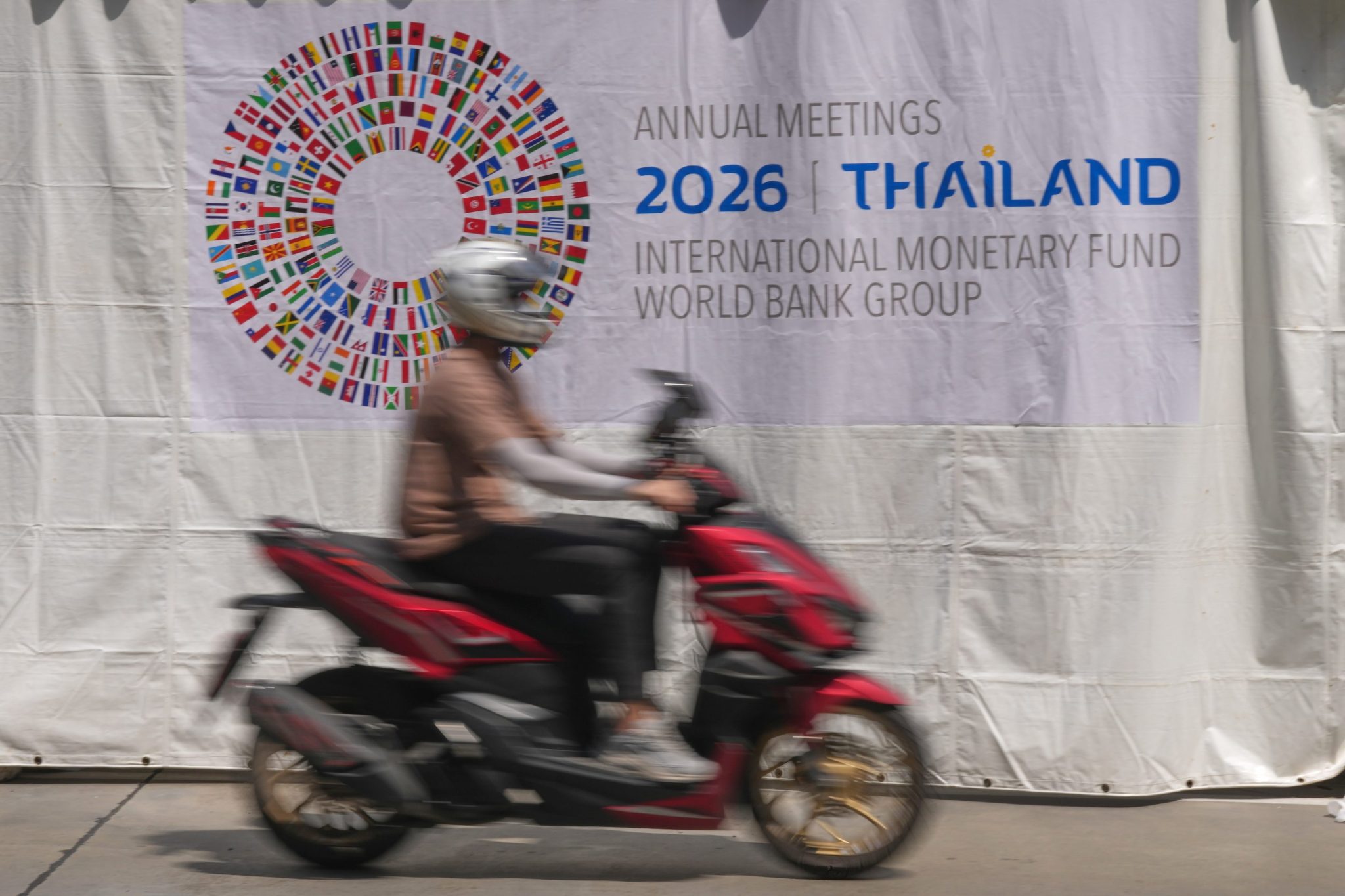
The report forecasts a rebound to 3.4% growth in 2027. Released ahead of the IMF and World Bank's fall conferences in Bangkok, the assessment predicts a steady 2.3% growth for the United States in 2026 and 2027. Advanced economies are expected to expand by 2.1% this year, rising to 1.9% next year. The projections are based on a 41% surge in oil prices, averaging $96 per barrel, and an anticipated inflation rate of 4.7% in 2026, decreasing to 4.1% the following year.
The estimates also hinge on the resumption of oil and gas shipments through the Strait of Hormuz by March and a cooling of AI demand. IMF economists argue that the AI boom even outbalances the impact of sharply higher oil and gas prices, yet it also carries risks. While the U.S. and China are responsible for over three-quarters of the net demand for imports of computer chips and other AI-related equipment, the report notes, the benefits of AI growth are unevenly distributed.
The report reveals that 32 countries are responsible for 95% of the global growth, a dramatic shift from 54 countries in April 2025. The global economy is not merely slowing or speeding up; it is experiencing a reallocation of growth across countries depending on their exposure to war-induced supply shocks and AI-related demand strength.
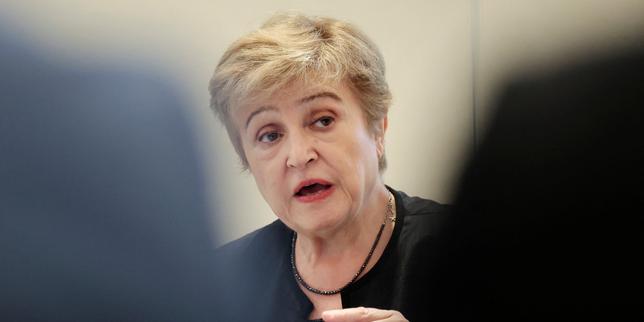
IMF Deputy Director Athanasios Vamvakidis highlighted AI-related stock market corrections, rising bond yields, and cyber threats as additional risks. The IMF Managing Director, Kristalina Georgieva, emphasized the potential 40% impact of AI on global employment, with some jobs being augmented, downgraded, or eliminated. Debt remains a significant concern for regional economies.
The IMF is urging countries to enhance their national finances and address growing debt levels, especially in light of high borrowing costs. While some countries are buffered from the Iran war's energy shocks and are reaping the benefits of rapid AI adoption, maintaining growth, developing economies and emerging markets, more vulnerable to the higher costs of oil and gas, are projected to experience a slowdown in growth to 3.7% this year from 4.5% in 2025.
They are expected to regain momentum in 2027, expanding at a 4.4% annual rate. The Middle East and Central Asia are particularly hard hit, with their economies expected to contract this year before recovering to a 6.3% growth rate in 2027. The 21 European countries sharing the euro currency are anticipated to expand by a mere 1.1% this year and 1.2% in 2027.
China, the world's second-largest economy, is forecast to grow by 4.5% this year, down from 5% in 2025, in line with the government's official target. India is once again projected to be the world's fastest-growing major economy, expanding at a 7% rate, down from last year's 7.7%. The IMF, a 191-nation lending organization, aims to promote economic growth, financial stability, and reduce global poverty.
At the Bangkok conference, finance ministers and central bank governors will evaluate the global economic situation and discuss strategies to support stability and sustainable growth.
Written by urgent.news from Fortune's reporting — not their text. Machine-written — may contain errors; check the original before relying on it.