Is this the best time for US strategists to push for abandoning ambiguity on Taiwan?
For nearly five decades, the United States’ Taiwan policy has centred on strategic ambiguity by not declaring whether it would intervene militarily in a potential Taiwan conflict. This policy – designed to deter Beijing from using force while preventing Taipei from formally declaring independence – is being challenged by realist US strategists amid a broader debate over America’s role in the…
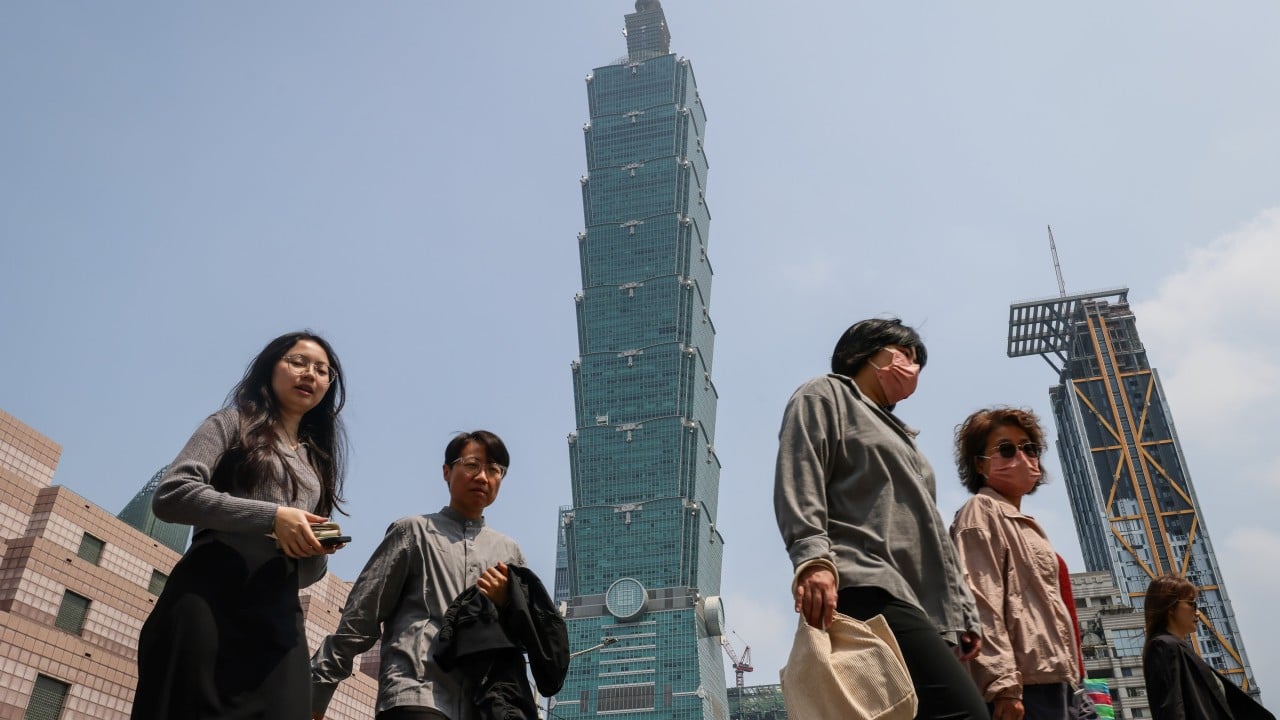
For nearly five decades, the United States' approach to Taiwan has been to keep its military involvement ambiguous, neither committing to intervene militarily if China takes action against Taiwan nor declaring a formal stance for Taipei's independence. This policy aims to dissuade Beijing from using force while preventing Taiwan from declaring independence officially.
However, a small group of realist US strategists, including Jennifer Kavanagh, a director of military analysis at Defence Priorities, is challenging this approach in the face of declining US military capabilities and a changing regional power balance. Kavanagh argues that the US military is no longer as powerful as it once was and that its ability to withstand a conflict with China in Taiwan is now questionable.
She suggests that the US policy of strategic ambiguity is outdated and calls for the US to rule out any military intervention to avoid the risk of a catastrophic war. Kavanagh's proposal to replace US military commitments with Taiwan with narrower security partnerships and to shift US forces to a smaller presence further east has been met with strong resistance within US national security circles.
Despite this, her idea is opening a debate on the long-standing US Taiwan policy, which has been a one-sided stance in favor of ambiguity.
Written by urgent.news from Reuters Business via SCMP's reporting — not their text. Machine-written — may contain errors; check the original before relying on it.
This story
This is one outlet's version. Read the fullest account.