Intel, Broadcom CEOs flag AI industry challenges at financial event
Intel Corp. Chief Executive Lip-Bu Tan and Hock Tan, his counterpart at Broadcom Inc., have flagged capital access as a potential challenge for the artificial intelligence sector. The executives shared their observations today during a financial conference in Singapore. Intel and Broadcom are two of the AI industry’s most important chip suppliers. The former company’s […] The post Intel, Broadcom…
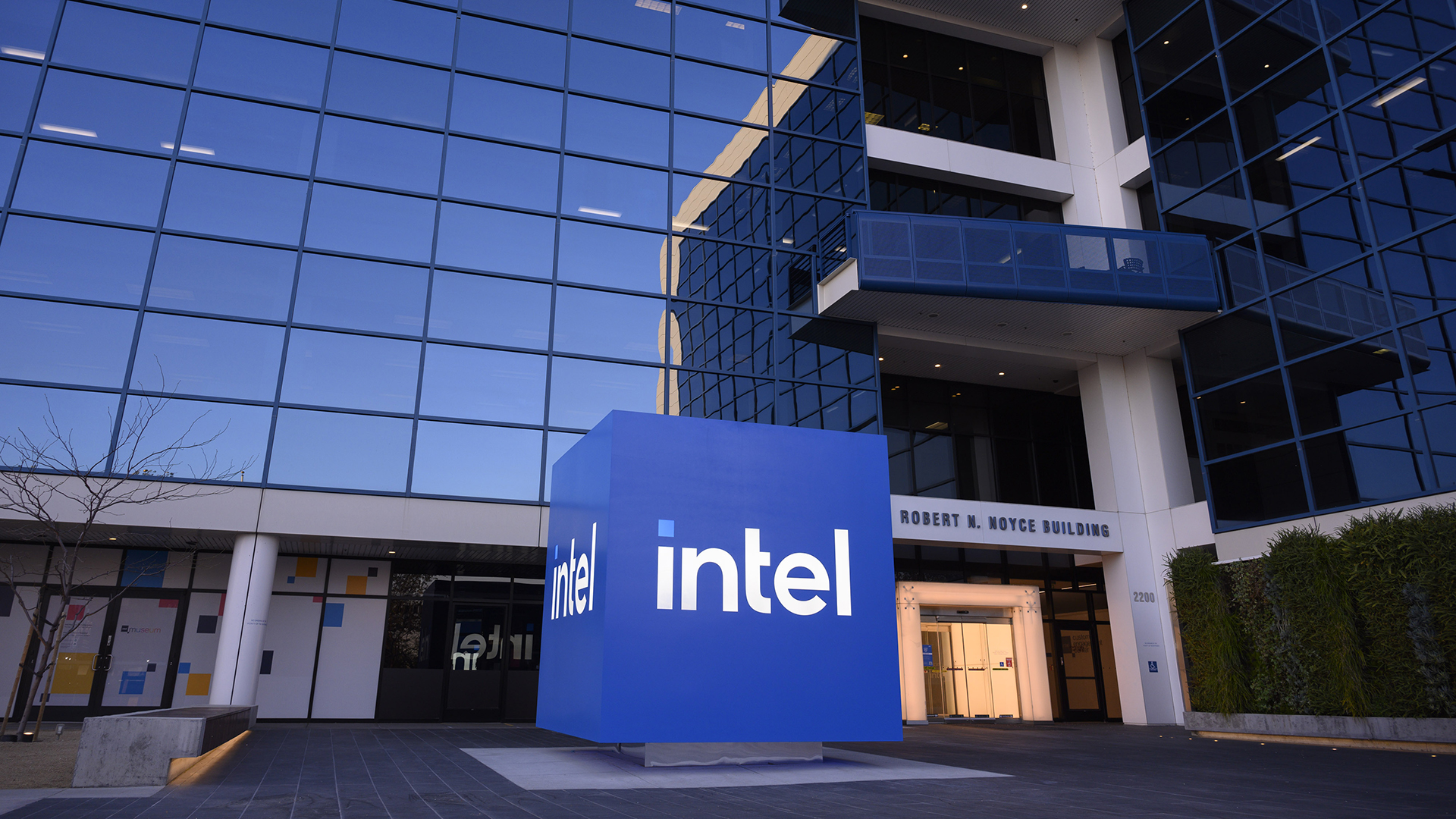
Intel Chief Executive Lip-Bu Tan and Broadcom counterpart Hock Tan warned during a financial conference in Singapore that capital access could pose a challenge for the artificial intelligence sector. Intel and Broadcom are two of the industry's most crucial chip suppliers. Intel's central processing units are in high demand as AI agents rely on them to operate their tools, but Intel currently only has the capacity to fulfill 50% of orders.
Broadcom, a major supplier of network processors and custom AI accelerators, predicts that chip shortages will ease by 2028 or 2029. However, Tan believes the disparity between demand for computing capacity and the industry's ability to meet it could continue into 2030. The executives also discussed other AI sector challenges, including the high cost of training large language models, with Broadcom assisting OpenAI in designing its first custom inference chip earlier this year.
Tan pointed out that OpenAI is currently operating at a loss due to substantial training expenses. Anthropic, another AI developer, is reportedly on track to generate positive adjusted operating income for the second quarter in a row, with a significant portion of AI labs' revenue coming from pilot projects. Tan suggested AI labs should secure customers capable of realizing a return on their inference spending.
He also criticized investors for setting extreme expectations. Despite AI's investor enthusiasm, Tan warned that access to capital is the biggest constraint facing the sector. Intel's Tan echoed this sentiment, emphasizing the need for investors to see return on investment. Open-source language models from Chinese labs have gained traction, proving "good enough" for budget-conscious users.
Tan believes in open source as the best way to drive efficiency. The conversation then shifted to quantum computing, with Tan predicting its mainstream adoption within three to five years. Intel is developing quantum processors compatible with standard chipmaking equipment, aiming for systems with hundreds of qubits.
Written by urgent.news from SiliconANGLE's reporting — not their text. Machine-written — may contain errors; check the original before relying on it.
This story
This is one outlet's version. Read the fullest account.