India reaffirms Ladakh status as China says it doesn’t recognise the UT
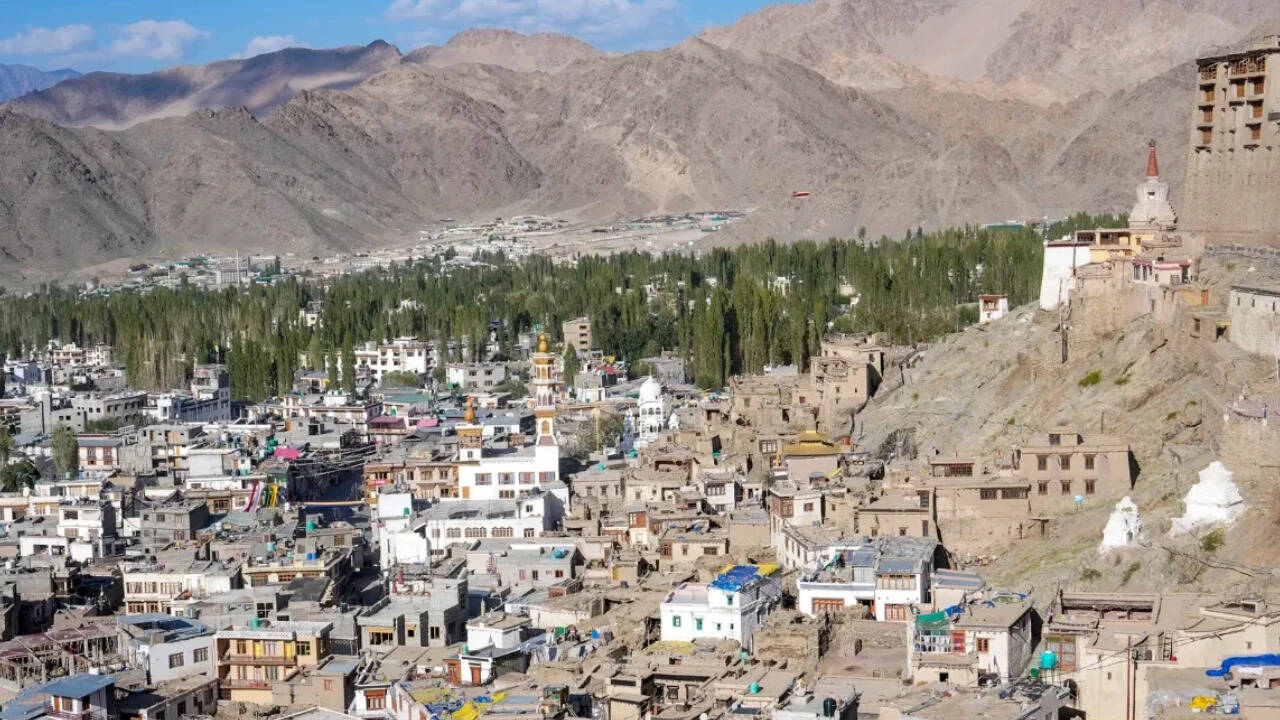
Diplomatic tensions escalated once again between India and China following Beijing's vehement opposition to India's decision to officially map and standardize 28 locations in Ladakh, including areas in Aksai China, and reaffirming that it does not recognize the Union Territory (UT) of Ladakh. New Delhi responded swiftly, reaffirming that the Ladakh UT is an integral and inalienable part of India, regardless of China's denial.
The Ministry of Home Affairs (MHA) announced the standardization in a press release on October 2, aiming to facilitate accurate recognition and public awareness of the geographical features. The Ministry of External Affairs (MEA) spokesperson, Randhir Jaiswal, stated that the announcement was self-explanatory, as it involved identifying 28 places/features in Ladakh with standard names on the official Survey of India map, in consultation with the Union Territory of Ladakh and local stakeholders.
The Chinese foreign ministry vehemently criticized India's move, asserting that it does not alter the fact that the western sector of the China-India border belongs to China. The Chinese spokesperson, Mao Ning, reiterated that China has never recognized the so-called Union Territory of Ladakh established unilaterally and illegally by India, and firmly opposes the standardized names published by India.
Beijing has a history of renaming places in Arunachal Pradesh on multiple occasions in the past decade, reinforcing its claim over the Indian state. The latest cartographic dispute has emerged amidst the normalization of bilateral relations after a military standoff in eastern Ladakh. China's response echoes its 2019 statement, accusing India of undermining China's territorial sovereignty by unilaterally changing domestic law and establishing the Ladakh UT.
The military conflict in eastern Ladakh began eight months after India revoked the special status of Jammu and Kashmir in 2019. China maintains that it has consistently opposed India's inclusion of the "Chinese territory in the western sector of the China-India border into its administrative jurisdiction," as Aksai Chin in the western sector holds significant importance for China, linking the politically sensitive autonomous regions of Xinjiang and Tibet.
However, the border situation has remained relatively stable since Prime Minister Narendra Modi and President Xi Jinping met in Kazan in 2024. India and China have held three rounds of Special Representatives talks on the boundary issue since August, resulting in eight outcomes, including a decision to expedite boundary delimitation and border management discussions.
Written by urgent.news from Times of India's reporting — not their text. Machine-written — may contain errors; check the original before relying on it.