India May Need Up To 150 GW Additional Coal Power Capacity By 2035: Central Electricity Authority Chief
India may need to expand its coal-fired electricity generation capacity substantially beyond earlier projections as rising power consumption puts increasing pressure on the country's energy infrastructure. Central Electricity Authority (CEA) Chairperson Ghanshyam Prasad said on Tuesday that additional coal capacity requirements could rise to between 105 GW and 150 GW, compared with the previously…
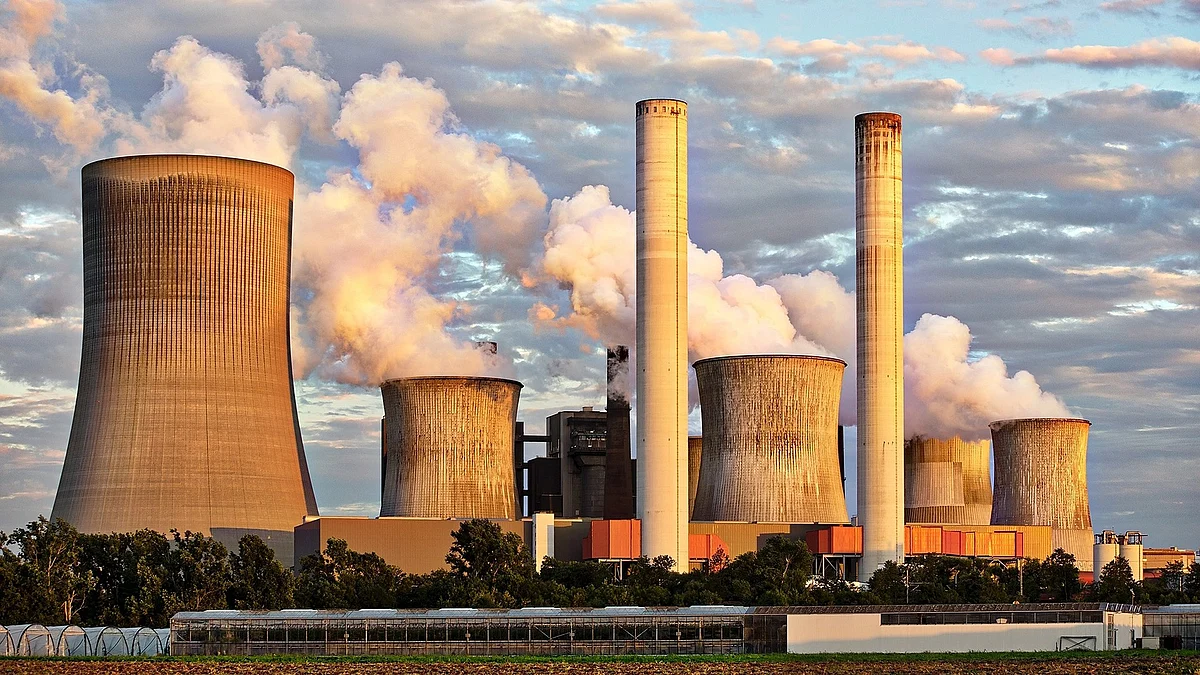
India's Central Electricity Authority predicts the nation may require up to 150 gigawatts of additional coal-fired power capacity by 2035, significantly exceeding previous estimates. Chairman Ghanshyam Prasad made this disclosure during an Indian Chamber of Commerce event, highlighting the mounting pressure on the country's energy infrastructure due to escalating electricity consumption.
Currently, India possesses around 230 gigawatts of coal-fired generation capacity, with earlier projections anticipating an expansion to 307 gigawatts by 2035. However, Prasad emphasized the growing need for reliable electricity generation to meet escalating demand. He pointed out that daily peak electricity demand has been approximately 45 gigawatts to 50 gigawatts higher than a year prior.
The reduced monsoon rainfall has diminished hydropower availability, thereby intensifying reliance on thermal power stations to sustain electrical supplies. Government data revealed that India's electricity shortages reached 560 million kilowatt-hours in September, the highest level since August 2023. Coal-fired electricity generation surged 13.3% year-on-year during that period, as thermal plants reacted to heightened consumption. Conversely, hydropower generation declined by 20% compared to the same period the previous year.
Despite the potential rise in coal-fired generation capacity, Prasad reiterated India's commitment to renewable energy. The nation added approximately 50 gigawatts of renewable energy capacity last year and anticipates annual additions to persist above that level. However, he stressed that renewable installations alone would not ensure uninterrupted electricity supplies.
He further stressed that other technologies, including nuclear power and pumped-storage hydropower, would be necessary to bolster grid stability. These resources could collaborate with renewable generation by offering dependable electricity when solar and wind output fluctuates.
Prasad's remarks suggest that India's future power strategy will necessitate simultaneous investment in conventional generation, renewable energy, and supporting infrastructure. The challenge will lie in ensuring adequate electricity availability while accommodating sustained growth in demand.
Rewritten by urgent.news; may contain errors — check the original.
Source: freepressjournal.in