In Santa María Atzompa, Oaxaca, clay is more than earth
It's not just clay that makes the pottery from Santa María Atzompa, Oaxaca, so special, but the culture of the people who make it, writes Ena Aguilar Peláez. The post In Santa María Atzompa, Oaxaca, clay is more than earth appeared first on Mexico News Daily
Santa María Atzompa, a small town located near Oaxaca, is renowned for its deeply-rooted pottery tradition that spans generations. The pottery industry here is not just a craft, but an integral part of the town's life, culture, and history. Rooted in the Zapotec culture, the pottery of Atzompa boasts an intricate relationship with the natural environment and the stories of the people who make them.
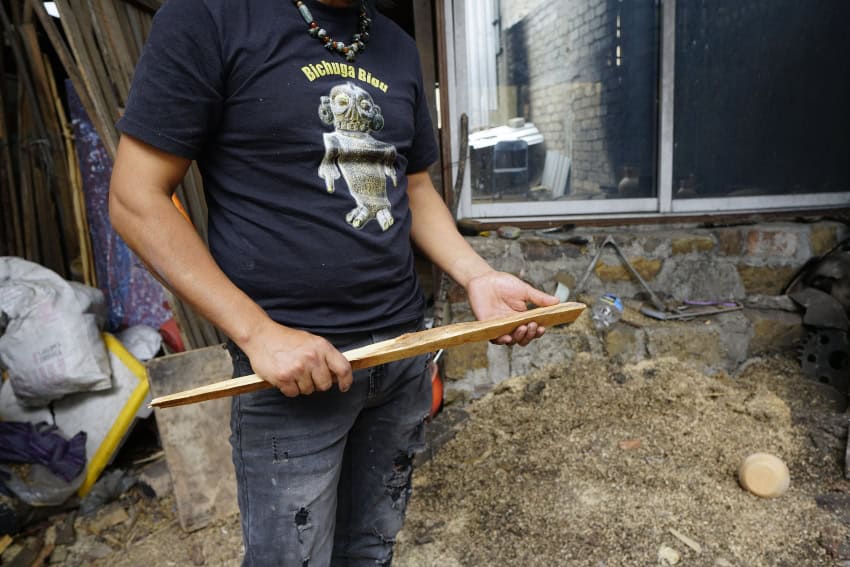
The clay used in Atzompa pottery is drawn from the earth beneath the former Zapotec settlement of Cerro del Bonete, an area that was once part of the larger Monte Albán complex. The name Atzompa itself has a historical significance, derived from the Nahuatl language, which means "above the head of the water." Similarly, the Zapotec name Bichuga Bigu translates to "turtle shell," symbolizing a connection to a creation myth where a turtle offers its shell as refuge during a great flood.
This myth is echoed in the way Atzompa potters work with fire, as a traditional kiln resembles a turtle's shell, with its dome acting as the shell and broken fragments of previous fires protecting future firings.
Each piece of pottery from Atzompa is carefully shaped to reflect its specific use, with the form often resembling a face, suggesting consciousness, water, or mountains. For instance, a chocolate-drinking vessel is designed to be held with both hands, symbolizing gratitude for nourishment. Similarly, a bean pot, shaped like a womb, embodies transformation, warmth, and nourishment.
The comal, a circular clay plate used for cooking, distributes heat evenly through a balance of clay and ash, a design that has been refined over generations of observation and adjustment.
Learning traditional pottery is not about simply memorizing techniques, but rather internalizing the history, experience, and purpose behind each step. For instance, Yanet Gómez Hernández, who came to Atzompa a dozen years ago, found herself learning to work with clay and collaborating with local artist Adrián Martínez Alarcón. This process goes beyond mere imitation, as it involves an understanding of how the pottery is made, its history, and the symbolic meaning behind every gesture, material, shape, and method.
Patience and respect for natural processes are key to creating Atzompa pottery. The process requires a deep listening to the fire, air, humidity, and the condition of the piece. This understanding has been passed down through generations, with Martínez Alarcón, a seventh-generation potter, learning from his mother, Ana María Hernández.
His journey, like his mother's, began with playing with clay as a child and eventually mastering the techniques and traditions that have been preserved for centuries. Atzompa pottery thus stands as a testament to the enduring connection between people, their land, and their art.
Written by urgent.news from Mexico News Daily's reporting — not their text. Machine-written — may contain errors; check the original before relying on it.