IMF upgrades 2026 growth forecast but warns of ‘split’ outlook
In its World Economic Outlook released at its annual meeting in Bangkok, the IMF raised its 2026 global growth forecast by 0.1 percentage points to 3.1%, down from 3.5% growth in 2025.
The International Monetary Fund (IMF) released its World Economic Outlook (WEO) at the organization's Annual Meetings in Bangkok, forecasting a slower global growth rate in 2026 than initially anticipated. The Fund raised its 2026 global growth forecast by 0.1 percentage points to 3.1 percent, down from the previously estimated 3.5 percent growth rate in 2025.
While many advanced economies have experienced resilience due to increased investment in artificial intelligence (AI), poorer countries that do not benefit from the AI boom face significant challenges as they navigate high energy prices caused by the US war on Iran.
The global economic outlook is described as "split," with some regions expected to experience contraction while others continue to grow. The Middle East and Central Asia regions, which are directly affected by the Iran war, are forecast to see a 0.3 percent economic contraction in 2026. This contraction is the sharpest among the regions, with Saudi Arabia expecting a 3.3 percent decline, a decrease of 5.0 percentage points from previous forecasts.
On the other hand, advanced economies, including those benefiting from the AI boom, are expected to maintain strong growth, with the world's advanced economies projected to grow by 2.1 percent in 2026. Taiwan and South Korea, which are key components in the AI supply chain, are projected to experience even higher growth rates.
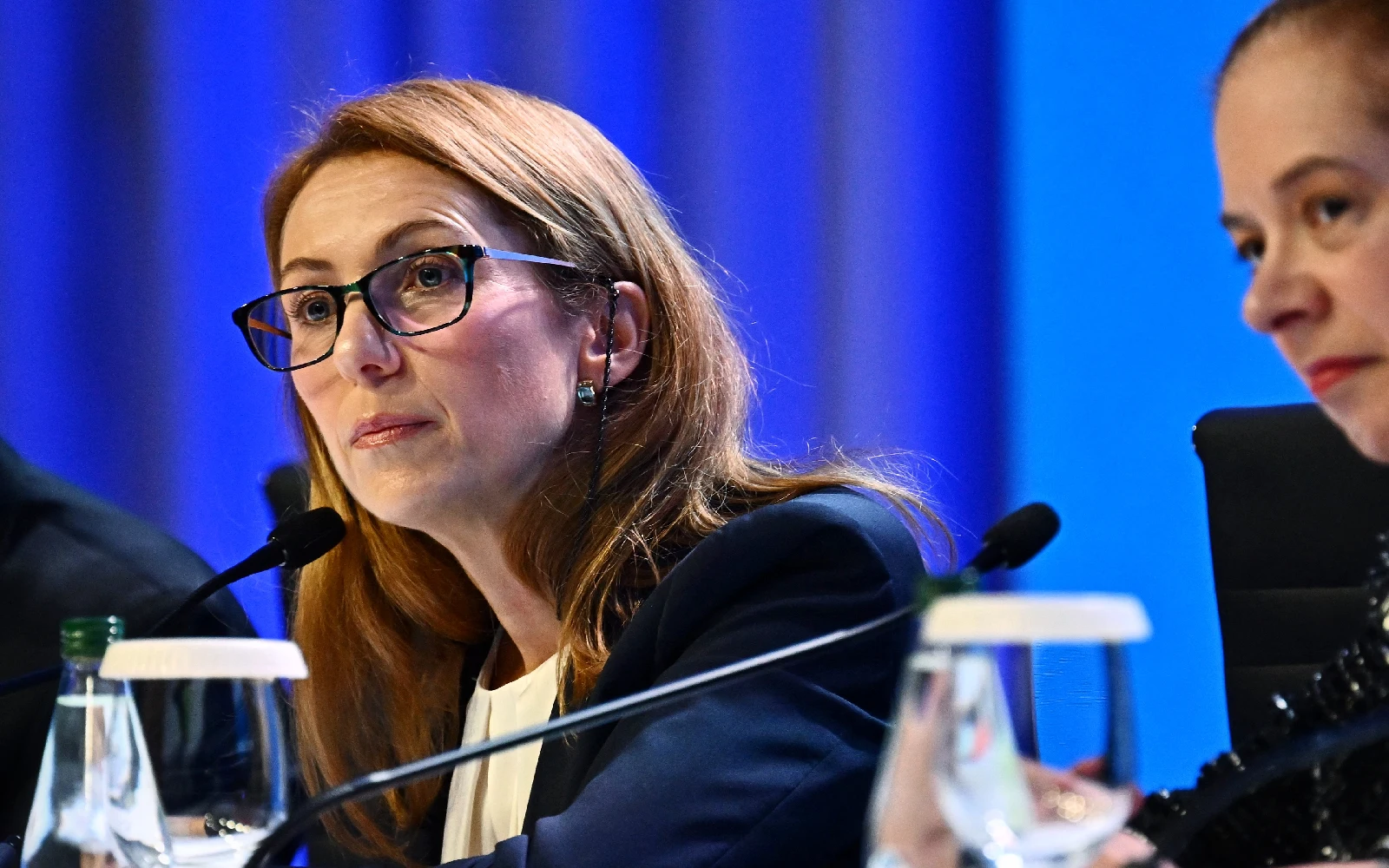
The IMF also warned that global inflation is expected to accelerate to 4.7% in 2026, driven by the Iran war and the AI boom. The economic impact is projected to be felt across both advanced and developing economies. In response to these risks, the IMF Chief Economist, Silvana Tenreyro, emphasized the need for urgent action from all countries.
Tenreyro urged governments to implement temporary and targeted measures to alleviate the burden on the public due to high energy and other costs. She also stressed that monetary policy should remain focused on price stability, with interest rate hikes to curb high inflation being appropriate. Tenreyro noted that while the economy has exhibited resilience, it is reaching its limits, and the focus should now shift to rebuilding fiscal space and strengthening supply-side resilience.
Written by urgent.news from Free Malaysia Today's reporting — not their text. Machine-written — may contain errors; check the original before relying on it.
Also reported by 6 other outlets
- IMF upgrades 2026 growth forecast but warns of ‘split’ outlook freemalaysiatoday.com
- IMF upgrades 2026 growth forecast but warns of 'split' outlook nst.com.my
- IMF raises India growth forecast to 7%, warns of fragmented global outlook indianexpress.com
- BREAKING: IMF raises Nigeria’s growth forecast to 4.2%, acknowledges Nigerians are suffering nairametrics.com
- IMF upgrades 2026 growth forecast but warns of 'split' outlook al-monitor.com
- India, ASEAN growth revised up in IMF's latest world outlook asia.nikkei.com