IMF says developing countries must cut spending or restructure debt
Many low-income countries were facing debt distress or nearing it and should seek debt restructuring if they could not resolve the problem.
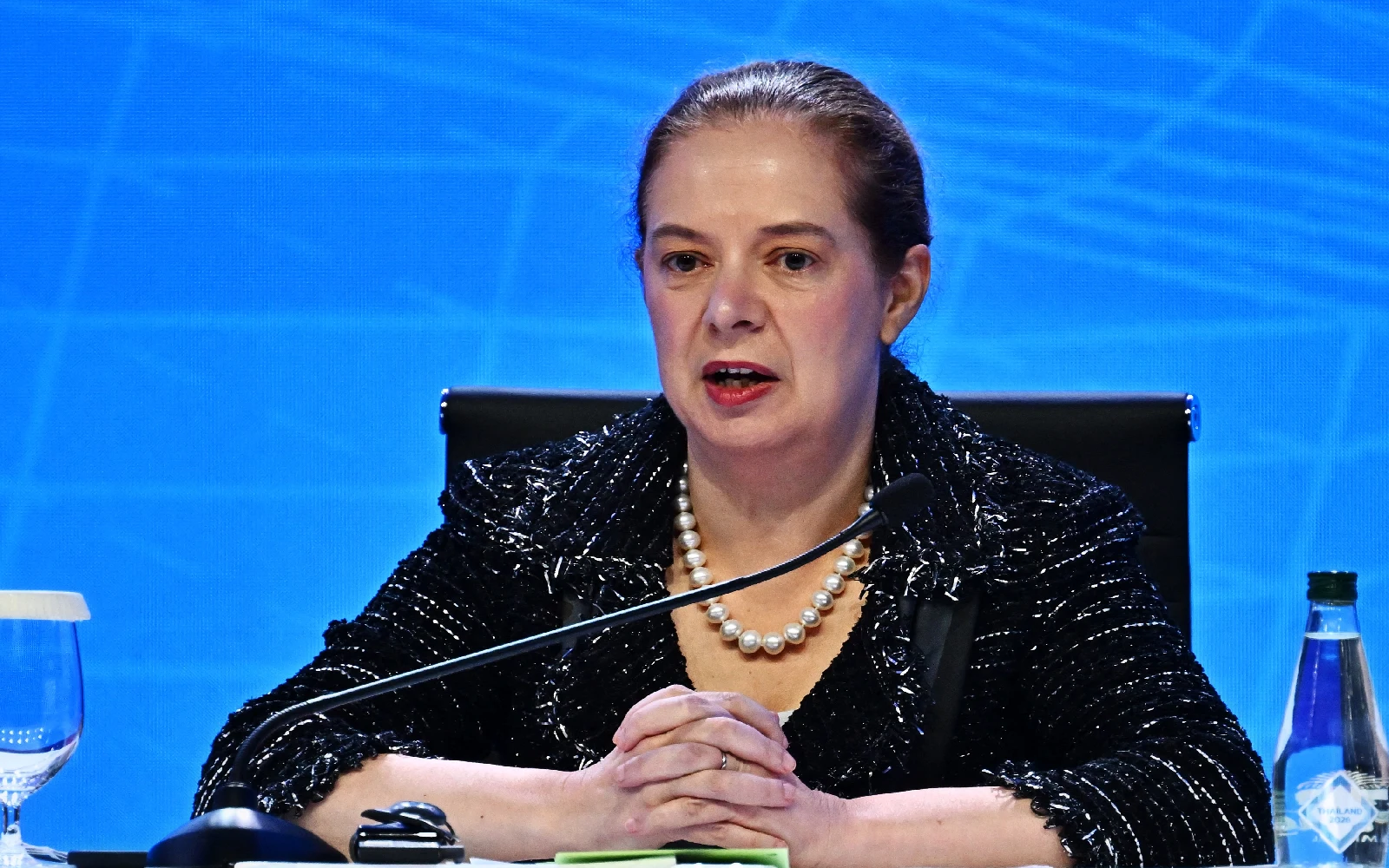
The International Monetary Fund (IMF) has warned that low-income developing countries are struggling to cope with the economic fallout from the Iran war, which has led to soaring energy prices and food shortages. IMF deputy director of research Petya Koeva Brooks said that heavily indebted oil-importing nations are facing the most difficult choices in supporting their citizens while dealing with the energy shock.
Brooks explained that after years of economic shocks, debt levels have increased significantly, and at the same time, inflation has become a major problem. She added that the US war on Iran has disrupted oil and gas supplies from the Middle East, causing energy prices to soar and affecting other goods such as fertilizer supplies.
The IMF has called on countries to offer targeted subsidies in the wake of the crisis, while also urging governments to rebuild fiscal buffers and address rising debt. Koeva Brooks emphasized that the trade-offs and choices faced by vulnerable countries are much more difficult than those faced by other nations. She stated that many low-income countries are already in debt distress or close to it, and that debt restructuring is necessary if they cannot address the issue.
The IMF's World Economic Outlook forecast a 2.1 percent global growth rate for 2026, largely driven by advanced economies benefiting from AI-related investments. However, if AI investment activity slows down, the global economy could see a negative impact on output, particularly in advanced economies like the US and Asia.
Rewritten by urgent.news; may contain errors — check the original.
Source: freemalaysiatoday.com
This story
This is one outlet's version. Read the fullest account.
- IMF says developing countries must cut spending or restructure debt freemalaysiatoday.com