IMF forecasts 3.1% global growth in 2026, with eurozone at 1.1%
The IMF raised its 2026 global growth forecast to 3.1%, citing resilient economies and AI investment. However, high energy prices linked to conflicts will weigh on growth, with eurozone expansion forecast at 1.1%.
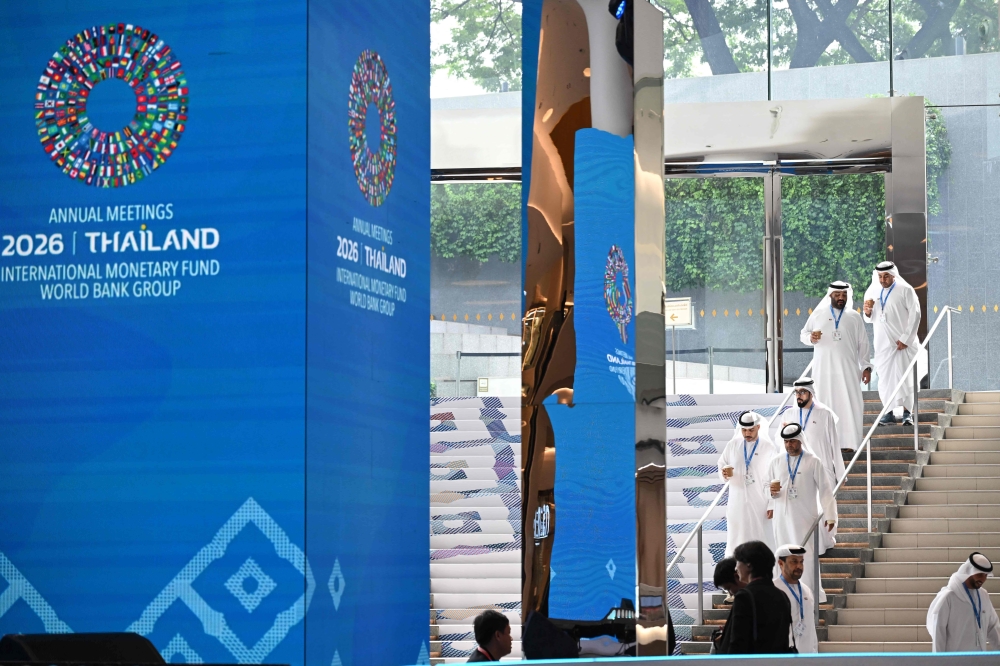
The International Monetary Fund has projected a 3.1% global growth rate for the year 2026, marking an upgrade from the previous 2.9% forecast. This surge in growth is attributed to the resilience demonstrated by advanced economies and heightened investment in artificial intelligence. However, the IMF warns that this growth momentum may slow down to 3.5% in 2025, mainly due to high energy prices stemming from the US-Iran conflict.
These energy cost hikes pose significant risks, particularly for low-income nations that have been left out of the AI-driven investment surge.
In the specific case of the eurozone, economic expansion is anticipated to decelerate to 1.1% this year, slipping further to 1.2% by 2027 according to the IMF. This slowdown is primarily driven by persistent high energy costs and faltering consumer confidence. The forecast for 2026 reflects a modest 0.2 percentage point increase from the July report, following a growth rate of 1.2% in the previous year.
While the eurozone's GDP growth picked up to 2.6% in the second quarter of 2026, after a stagnant first quarter, the IMF anticipates inflation concerns to linger throughout the year. Energy inventories in several European countries remain below seasonal norms, leaving gas market conditions susceptible to adverse weather conditions ahead of the winter heating period.
Inflation is projected at 3.1% for 2026 and 2.8% for 2027, both significantly above the European Central Bank's 2% target. This could necessitate interest rate hikes to counter high inflation, potentially slowing down household spending and investment, with GDP growth in the eurozone expected to climb to a paltry 1.2% by 2027.
Core inflation is expected to normalize at 2% gradually, by mid-2028 in the eurozone and by the end of 2027 in the UK. Germany, Europe's largest economy, is expected to see a growth rate of 1.3% in 2026, while Spain's economy maintains robust expansion at 2.5%. France, however, is forecast to expand by just 0.4%, a stark contrast to its 0.9% growth in 2025, with unemployment rising to 8.4% from 7.7% the previous year.
The UK's growth forecast was raised to 1.3% this year, but it is expected to decelerate to 1.2% next year as higher energy prices and long-term interest rates weigh on consumption and investment.
The Middle East conflict and Russia's ongoing war against Ukraine have driven global energy prices higher due to Tehran's retaliatory actions following the US war on Iran. Refined petroleum product prices remain 70% to 95% above pre-war levels, adversely affecting countries that rely on energy imports for economic activity. The IMF describes the situation as a "bifurcated outlook," with the twin economic forces of the Iran war and the AI technology boom creating a fragmented world economy.
The conflict and geopolitical tensions could reignite inflationary pressures, strain fiscal and external positions, and disproportionately impact energy-importing and low-income countries. At the same time, the technology tailwind may wane abruptly if expectations about AI-related profits and productivity gains are revised, which could dampen investment and tighten financial conditions.
Advanced economies are forecast to grow by 2.1% in 2026, with AI supply chain countries like Taiwan and South Korea experiencing higher growth. Meanwhile, China's growth is expected to slow by 0.5 percentage points to 4.5% this year, largely due to weak domestic demand.
IMF Chief Economist, Tenreyro, cautioned that urgent action is required due to downside risks. She urged governments to resort to temporary and targeted measures to ease the burden of high energy and other costs on households. Monetarily, she advocated for strict focus on price stability through continued interest rate hikes to curb high inflation.
Tenreyro acknowledged that while the economy has shown resilience, its limits are being tested, and the focus should now shift from coping to rebuilding, restoring fiscal space, and bolstering supply-side resilience.
Written by urgent.news from Euronews's reporting — not their text. Machine-written — may contain errors; check the original before relying on it.