IMF expects gradual BOJ rate hike towards neutral setting
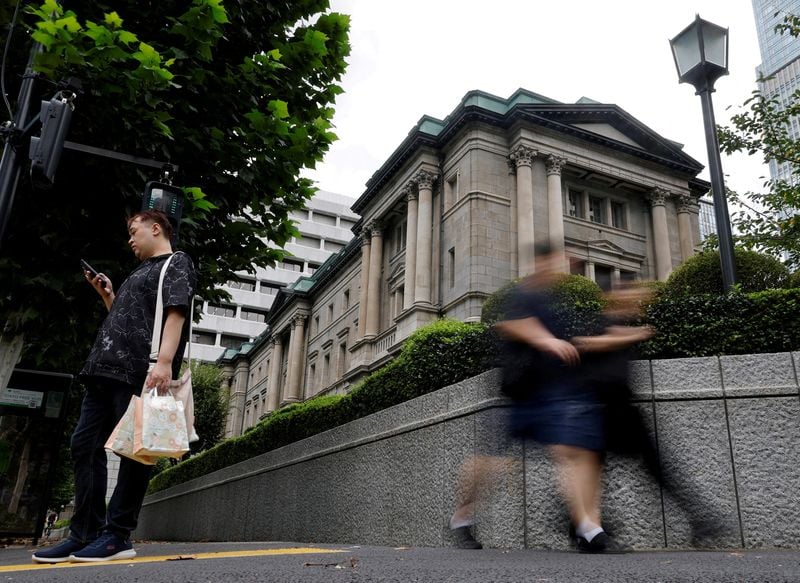
The International Monetary Fund has predicted that the Bank of Japan will likely increase interest rates incrementally towards a neutral level, despite anticipating a slowdown in Japan's economic growth. This stance aligns with other central banks grappling with inflationary pressures. The IMF projects Japan's economic growth to decelerate to 0.7% in 2026, with the slowdown attributed to fiscal support measures mitigating the impact of higher energy prices.
The forecast for 2027 anticipates the economy to stabilize at this growth rate as the energy shock subsides and monetary policy gradually normalizes, with Japan's economy projected to grow by 0.7% in 2027. In September, the Bank of Japan raised interest rates to a 31-year high of 1.25%, signaling its intent to maintain tight monetary policy to avert the risk of inflation exceeding its 2% target.
Japan's vulnerability to inflationary pressures stems from its heavy reliance on imports for fuel and raw materials, making its economy susceptible to the inflationary effects of the energy shock and a weakened currency. The IMF indicated that monetary policy can overlook the short-term and indirect effects of the energy shock on inflation only if the shock proves to be temporary.
Even when looking through the shock is deemed appropriate, central banks might need to raise nominal interest rates to maintain steady real borrowing costs if inflation expectations escalate. The report also highlighted the significant volatility in exchange rates, particularly in Asia, prompting intervention by some countries, including a joint Japan-US operation to bolster the weakening yen.
The IMF emphasized the importance of maintaining orderly adjustment and financial stability during large shocks. While exchange rates should be allowed to fluctuate freely to absorb external shocks, currency intervention becomes a viable option when market moves are disorderly, which could lead to self-reinforcing depreciation, market liquidity evaporating, or currency movements threatening price stability through large pass-through or balance sheet stress. In such scenarios, temporary foreign exchange intervention could be considered.
Rewritten by urgent.news; may contain errors — check the original.
Sources: channelnewsasia.com · investing.com
Also reported by 1 other outlet
- IMF expects gradual BOJ rate hike towards neutral setting channelnewsasia.com