Imago Platform uses graphs to improve AI knowledge management
AI-powered knowledge management systems face a fundamental challenge when businesses need accurate answers rather than plausible ones. Imago Platform Ltd. encountered that problem while developing an application to help customers navigate complicated product warranty policies. Imago’s first client, a lighting and electrical business, needed help resolving warranty claims across manufacturers with…
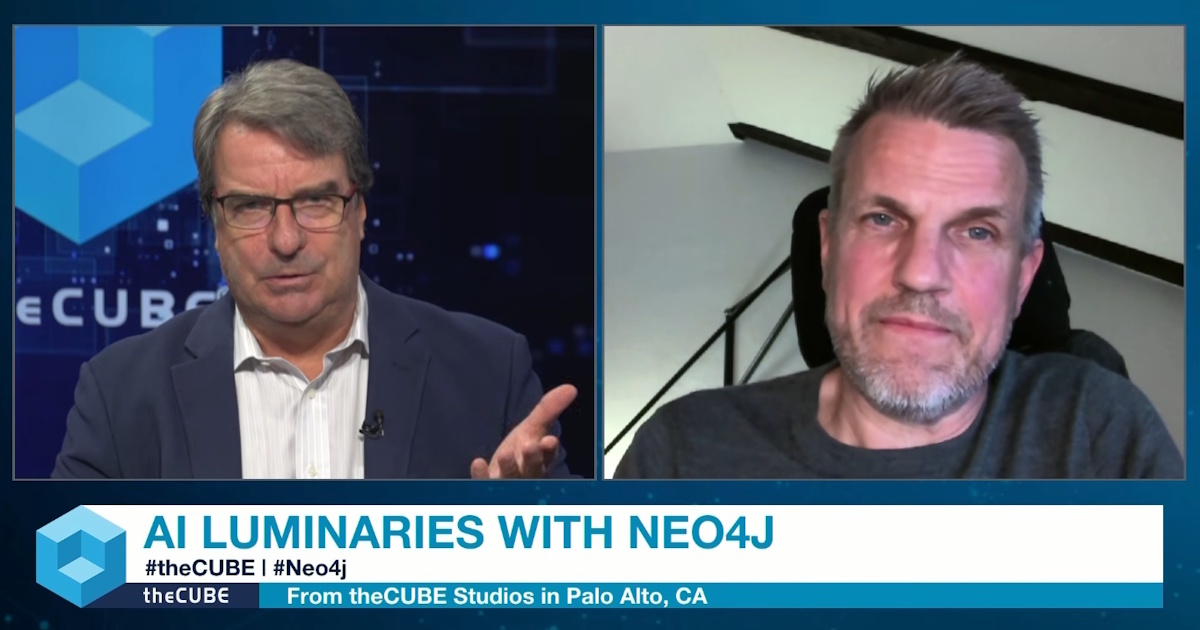
Imago Platform's AI-powered knowledge management system tackles the challenge of providing accurate answers rather than plausible ones. The company initially faced difficulties while developing an application for navigating complex product warranty policies. When working with a large collection of PDF documents, Imago's AI model struggled to consistently deliver accurate answers.
Magnus Helander, co-founder of Imago Platform, explained that the probabilistic responses generated by the models fell short of the client's requirements. Seeking assistance, Imago joined the Neo4j Startup Program and began working with graphs, which eventually led to improved accuracy in the model's responses. Imago Platform connects various business systems, such as customer relationship management and enterprise resource planning systems, with documents and email to create a secure, intelligent hub.
The company serves clients in sectors like property management, car dealerships, and retailers in Sweden. Imago's product finder enables users to input their needs, such as selecting a car for a family with three children and a long commute, and offers tailored recommendations from a selection of 300 alternatives. The platform's success underscores the significance of grounding AI agents in relevant business information.
By utilizing graph databases, Imago establishes relationships among disparate sources, enabling agents to retrieve contextual information instead of relying solely on general knowledge from language models. This context-driven approach significantly enhances the AI agents' ability to provide precise answers. Helander emphasized that AI agents can draw on databases, file storage, live data, and application programming interfaces to execute business tasks.
However, as more business logic is integrated into the AI layer, monitoring agent activity and tracing their steps becomes crucial. Without proper observability, developers may struggle to understand how agents arrive at specific conclusions. Neo4j's capability to trace an agent's work by creating nodes for each step helps address this challenge.
The integration of graph databases into AI systems enables the creation of a product finder, where users can input their requirements, such as selecting a suitable car for a family, and receive personalized recommendations. This approach, which leverages the power of graph databases and advanced search technologies, demonstrates the potential of integrating AI with business systems to deliver context-aware and accurate responses.
Written by urgent.news from SiliconANGLE's reporting — not their text. Machine-written — may contain errors; check the original before relying on it.