I never really liked the Fitbit Charge 6, but here are 6 reasons why I’m excited about the Fitbit Edge
Here's why I'm excited about the new Fitbit coming later this month.
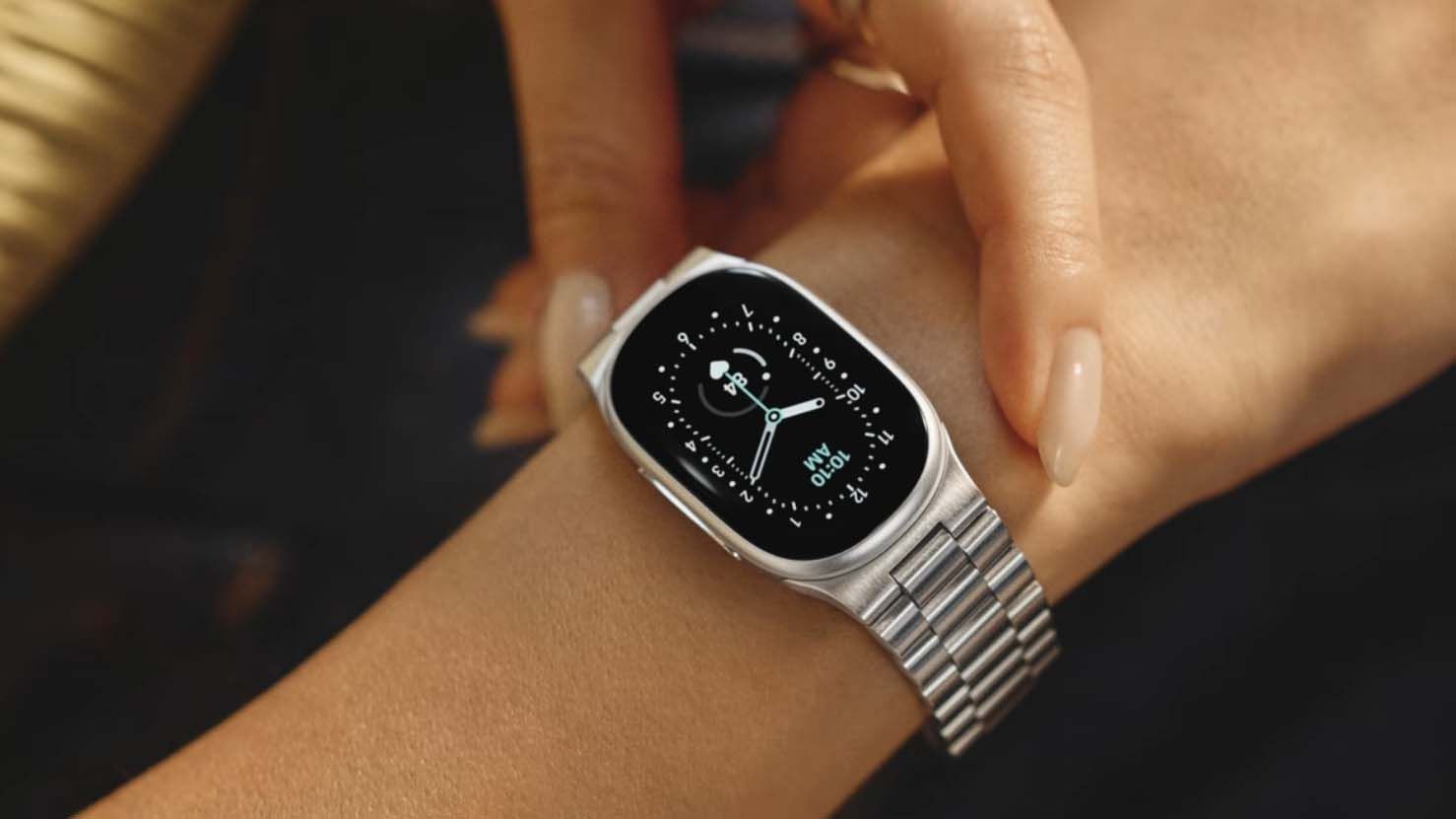
I confess, I harbored no fondness for the Fitbit Charge 6. It had become the go-to fitness tracker, but its boxy shape and minuscule screen posed challenges, particularly when my fingers were slick with sweat. Google has unveiled the Fitbit Edge, priced at $180, set to launch on October 27, and it appears poised to supplant the Charge 6 in the brand’s lineup, nestled between the $99 Edge and the $399 Pixel Watch 5. Allow me to share six reasons why I’m enthusiastic about this new device:
1. An abundance of band choices: Google has unveiled a multitude of bands to accompany the Fitbit Edge. From plastic active bands to sleek metal options, users can easily swap between them, ensuring the tracker’s appearance remains fresh and versatile. While the exact cost of these additional bands remains unknown, pre-orders currently allow for the active band or the Stephen Curry looped band.
2. A larger display: Although this may not appeal to everyone, I appreciate that the Fitbit Edge boasts a slightly larger form factor than the Charge 6. The dimensions differ by just 2.5mm in width and 1.5mm in height, yet the screen is substantially bigger. This enhancement addressed my previous discomfort using the Charge 6 with sweaty or wet fingers.
3. A physical button: I’ve consistently advocated for the inclusion of physical buttons in fitness trackers. The Fitbit Edge lives up to this expectation, featuring a tactile button on its side—a genuine button, unlike the haptic alternative on the Charge 6. This addition enhances usability and convenience.
4. Advanced health sensors: The Fitbit Edge offers an impressive suite of sensors for its price point. The heart rate sensor mirrors that of the Air, providing highly accurate readings every two seconds. Moreover, the Edge incorporates an ECG sensor, enabling the detection of atrial fibrillation, as well as a skin temperature sensor, skin temperature insights, HRV tracking, and an SpO2 sensor for monitoring blood oxygen levels.
5. Built-in GPS: Unlike the air, the Fitbit Edge boasts an integrated GPS, empowering users to monitor their outdoor activities without tethering to their phone. This feature is a significant advantage, particularly for those who run or ride without their mobile devices.
6. Enhanced fitness tracking: Comparing the Fitbit Edge to its predecessor, the Charge 6, reveals substantial improvements. The Edge incorporates all the recent enhancements from the Fitbit Air, including cardio load, VO2 max, and the readiness feature, which gauges one’s preparedness to engage in intense activity. Furthermore, Google’s Gemini-powered health coach, accessible to Google Health Premium subscribers, offers actionable insights to optimize recovery and performance.
Written by urgent.news from Tom's Guide's reporting — not their text. Machine-written — may contain errors; check the original before relying on it.