‘I feel safe in the dark’: What psychologists say about this preference
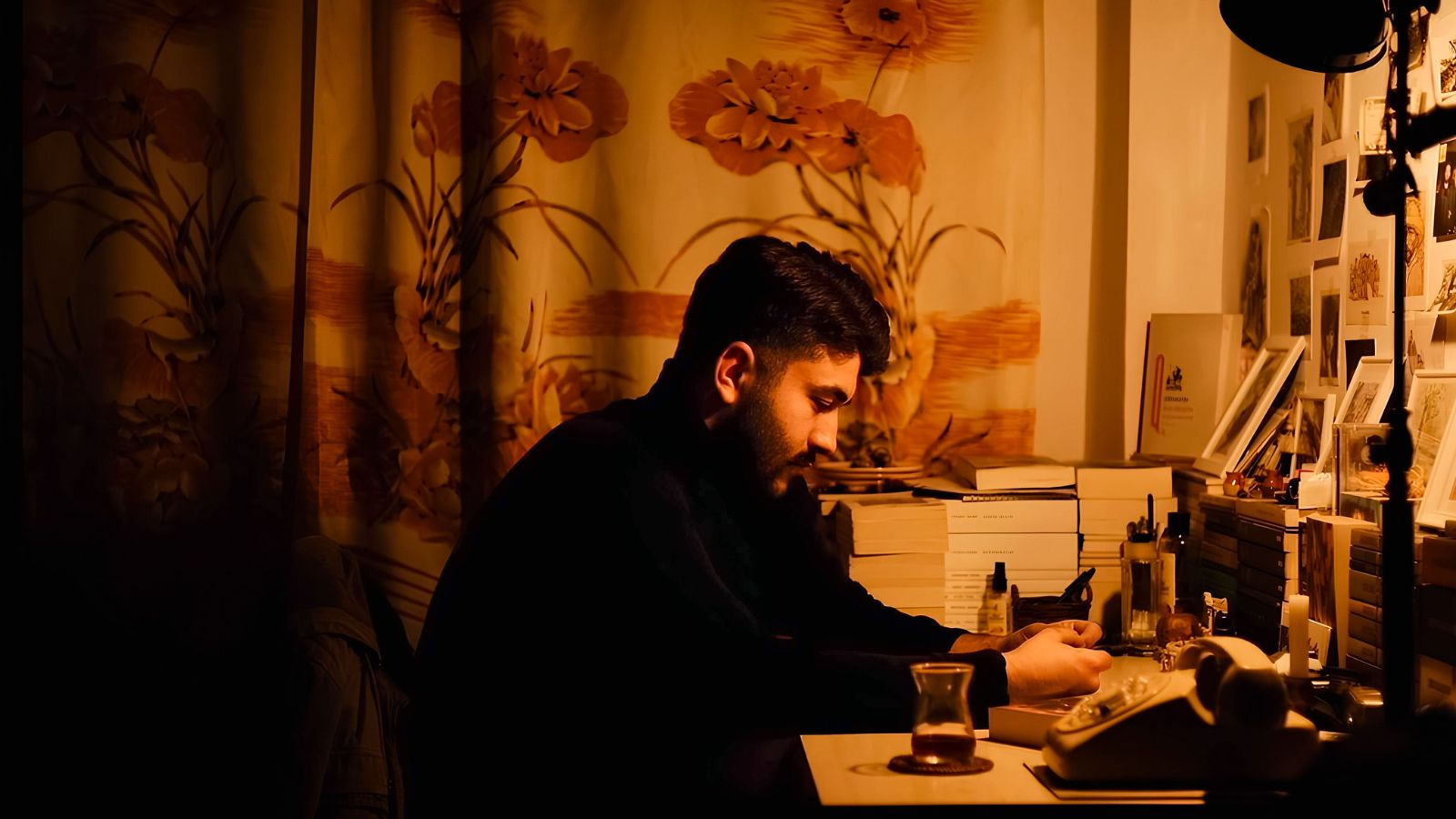
For those who find solace in darkness after a long day, the craving may not stem from a fondness for the night itself, but rather a desire for relief. Dimly lit or completely dark environments can create a sense of calm, as they reduce external stimulation. The brain becomes less alert, providing an opportunity to unwind and relax.
This phenomenon is known as nyctophilia, an affinity for or strong liking of the night or darkness. However, it's important to note that nyctophilia is not a formal psychiatric diagnosis, and simply enjoying quiet, dimly lit spaces doesn't indicate a psychological issue.
Psychologists suggest that nighttime often offers the only respite from conversations, notifications, expectations, and demands, making it a period when individuals can switch off. The privacy and emotional decompression provided by darkness can be particularly appealing for some, helping to reduce feelings of being overwhelmed.
Dr. Munia Bhattacharya, a Senior Consultant in Clinical Psychology at Marengo Asia Hospitals, notes that for many, darkness signifies a valuable opportunity to disconnect from constant visual cues and sensory input.
Psychologist Arpita Kohli from PSRI Hospital explains that spending quiet moments alone without the need to process multiple visual cues can help alleviate the sensation of being overwhelmed. For those who crave darkness after a mentally taxing day, it may simply be a means of creating a calming environment, especially after engaging in mentally demanding activities.
However, it's crucial to differentiate between a preference for darkness and an excessive need to withdraw from daily life. The distinction lies in the motivation behind seeking darkness and its impact on an individual's overall life. If someone chooses darkness because it feels calming while maintaining normal engagement with life, rather than retreating into it due to an increasingly challenging outside world, the preference is more about seeking quiet and relief than avoiding societal demands.
Dr. Bhattacharya advises a self-check: Are you choosing darkness for a calming effect while continuing to engage in daily life, or are you withdrawing because the outside world feels increasingly difficult to manage? If there's a pattern of increasingly avoiding people, losing interest in previously enjoyed activities, persistent low mood or anxiety, or a strong preference for isolation, it may be beneficial to seek guidance from a mental health professional.
While darkness itself may not directly relieve stress, the reduced stimulation, sense of personal space, and quiet it offers can be soothing for some individuals. The key is to understand the overall pattern of behavior and whether the habit aids in recharging or becomes a way of avoiding everyday life. The objective is not to diminish the comfort provided by darkness but to comprehend what the mind seeks through it.
Written by urgent.news from The Indian Express's reporting — not their text. Machine-written — may contain errors; check the original before relying on it.
Also reported by 1 other outlet
- ‘I feel safe in the dark’: What psychologists say about this preference indianexpress.com