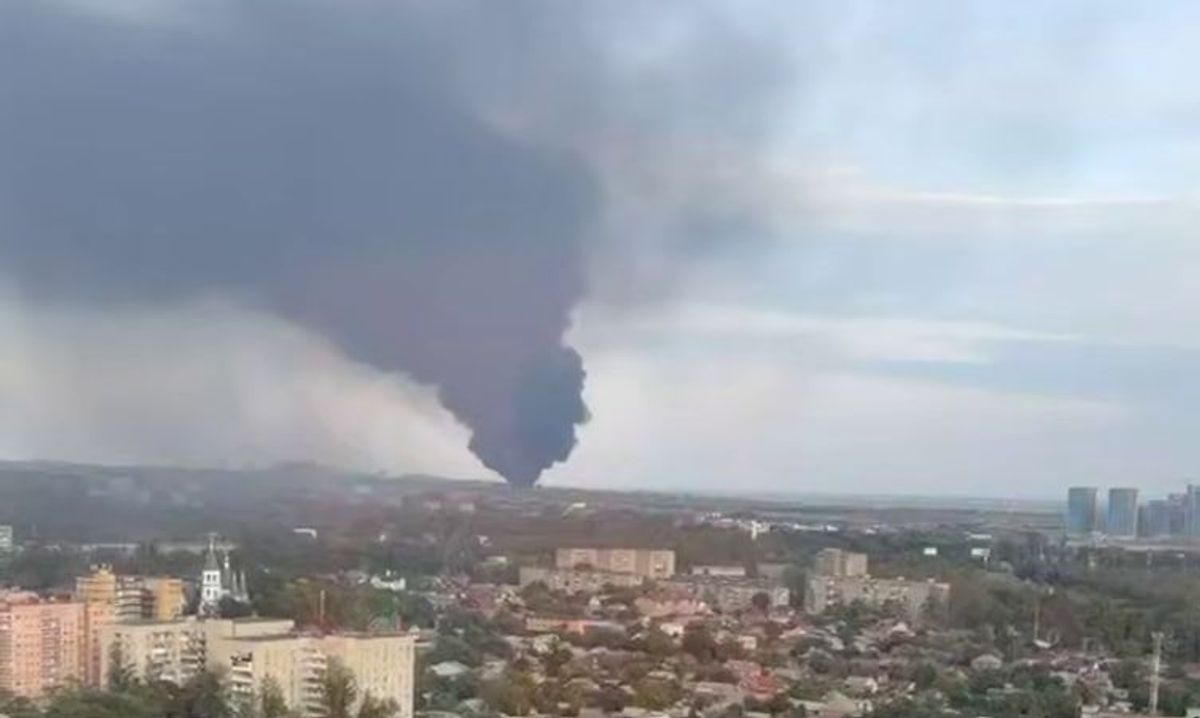
How the Russian army is learning from Ukraine and NATO
The Russian army entered its full-scale war against Ukraine with a reputation as one of the strongest in the world, but the first weeks of the invasion showed that this assessment was wrong. The reasons were sought in logistics, equipment, training, and motivation, but most of the failures stemmed from an inability to make sound decisions on the battlefield. The Russian army found itself in a war…
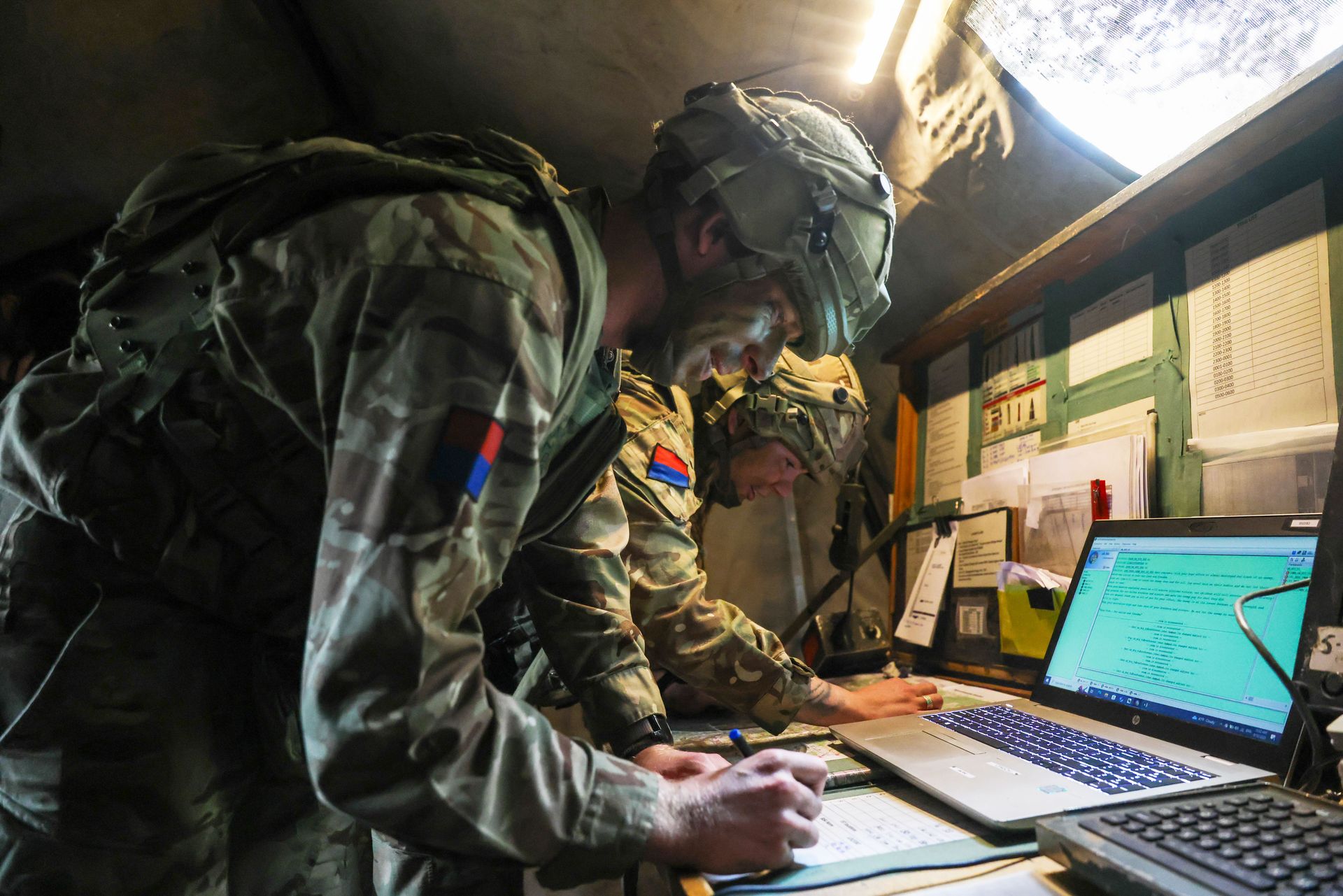
The Russian army's invasion of Ukraine exposed fundamental shortcomings in its military education and command structure. Despite a reputation as a strong military force, the initial weeks of the war demonstrated the army's struggles with decision-making and operational effectiveness. These failures stemmed primarily from a lack of independence among commanders who operated without clear orders from higher-ups. This highlighted deep-rooted issues with Russian military training and culture.
Unlike NATO military training systems, Russian education focused on executing tactical tasks and working with bureaucratic documents rather than fostering independent thinking. This difference in approach reflects divergent command philosophies, with NATO emphasizing mission command—a system built on trust and initiative at all levels. Mission command allows commanders at every rank to make decisions based on clear understanding of the situation, leaving them free to adapt as circumstances change.
The Ukrainian Defense Forces have increasingly embraced this mission command philosophy, as evidenced by recent leadership principles issued by Ukraine's Commander-in-Chief. These principles stress understanding commander intent, showing initiative, taking responsibility for outcomes, developing subordinates, and the ability to learn and adapt.
In contrast, the Russian military tradition has historically favored rigid centralized control, inherited from the Soviet era. This top-down command system leaves lower-level commanders with little room for independent decision-making, which proved detrimental in key battles such as the assault on Hostomel Airport and the crossing of the Siverskyi Donets River.
Another critical factor is the role of the non-commissioned officer (NCO) corps in supporting command structures. In NATO armies, NCOs serve as vital links between officers and enlisted personnel, providing practical training, maintaining discipline, and fostering the trust necessary for mission command. In the Russian military, however, NCO duties are often handled by junior officers, who lack the authority to lead and mentor.
This weakens the Russian army's ability to delegate initiative, especially in dynamic combat situations where conditions evolve rapidly.
Learning from mistakes is another area where NATO and Russia diverge significantly. NATO places a strong emphasis on critical thinking, uncertainty, and post-operation reviews (After Action Reviews), which analyze what was planned, what actually happened, what worked and what didn't, and what should be changed. This approach requires honest discussions about failures to identify lessons and improvements.
Russia's military system, however, tends to punish failures, leading to embellished reports and a culture of mistruths. This stifles honest assessment and learning from experience.
These contrasting approaches were evident in critical moments of the war, such as the battle for Hostomel Airport, the crossing of the Siverskyi Donets River, and the deployment of Russian equipment at Chornobaivka airfield. Waiting for orders from above, Russian units lost valuable time and repeated actions doomed to fail. The Russian army's inability to operate effectively in a changing battlefield environment underscores the urgent need for reforms in its military education and command structure to better align with modern warfare demands.
Written by urgent.news from Kyiv Independent's reporting — not their text. Machine-written — may contain errors; check the original before relying on it.