How partisan hatred shapes American views of the Black Lives Matter protests and January 6
Americans evaluate major political events through a deeply polarized lens. A new study finds that intense dislike of political opponents and differing beliefs about what threatens democracy warp how the public remembers the Black Lives Matter protests and January 6.
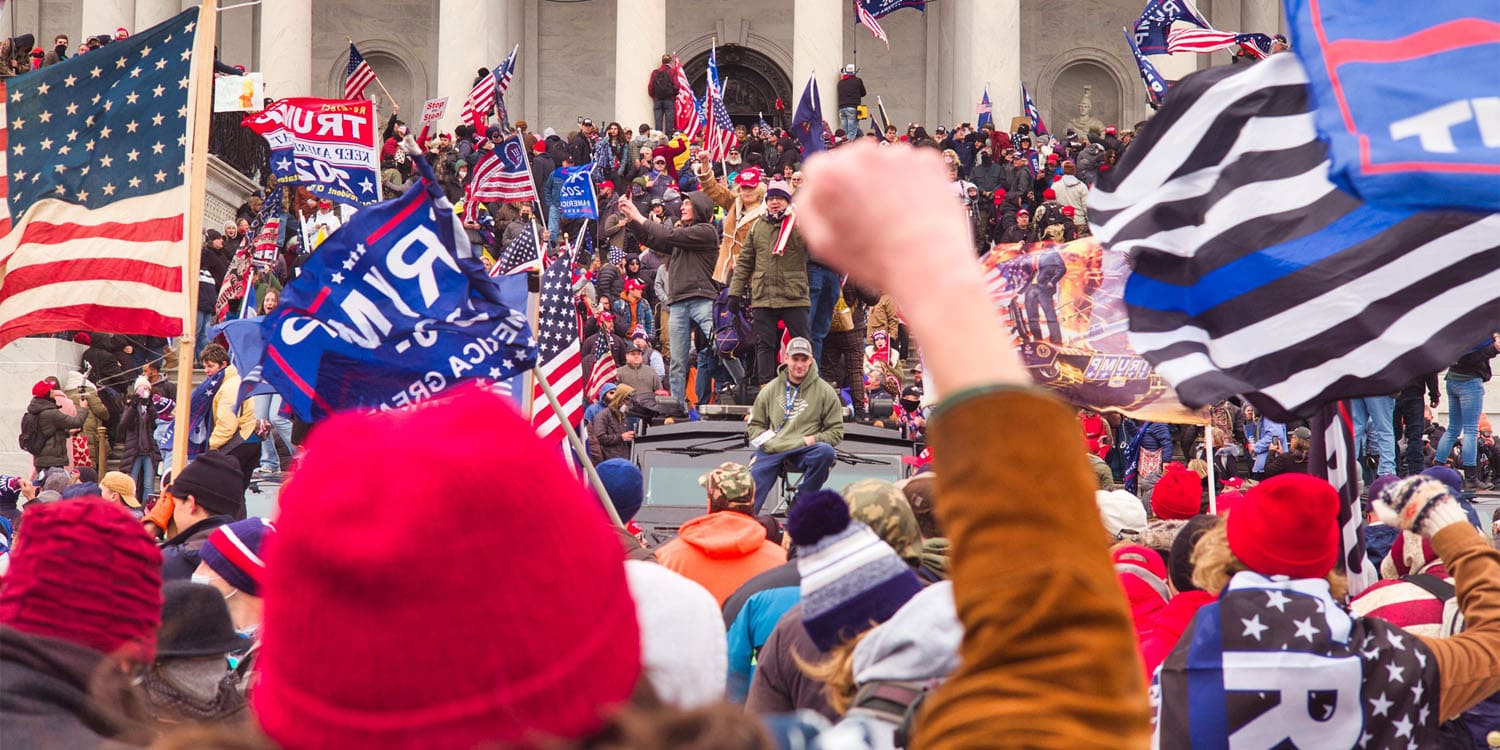
The article highlights how deeply polarized American politics shapes public perception of political events, particularly the Black Lives Matter protests and the 2021 Capitol riot. The study, conducted by researchers at the University of Arizona and The Chinese University of Hong Kong, found that partisan hostility and loyalty to specific party factions drive Americans' judgments, not just their party affiliation.
The research team surveyed 1,000 adults, asking them to evaluate the protests and the Capitol riot on dimensions such as legality and threat to democracy. Democrats viewed the Black Lives Matter protests positively and the Capitol riot negatively, while Republicans had the opposite views. This affective polarization was heightened among participants who felt negatively toward the opposing party.
The study also found that independent voters, who do not strictly identify with either party, were more likely to view the Black Lives Matter protests positively if they held more favorable views of the Democratic Party. Within each party, there were further divisions - progressive Democrats were more supportive of the Black Lives Matter protests than establishment Democrats, while MAGA Republicans were more supportive of the Capitol riot and less supportive of the Black Lives Matter protests than establishment Republicans.
Interestingly, the study showed that as Republicans became more favorable toward Democrats between 2016 and 2020, they also grew more favorable toward the Black Lives Matter movement. Conversely, Democrats who grew warmer toward Republicans tended to view the Black Lives Matter movement more negatively. This suggests a shift towards more moderate political positions among both parties.
The researchers conclude that when citizens believe democracy is under threat, they use that belief to justify their evaluations of controversial political actions, deploying a "saving democracy" frame. Depending on preexisting political loyalties, the same event can be seen either as a defense of democracy or an attack on it.
Written by urgent.news from PsyPost's reporting — not their text. Machine-written — may contain errors; check the original before relying on it.