How Indonesia’s stainless, carbon steel fare amid global headwinds
Though still ranking third among Indonesia's export commodities by value, iron and steel products declined nearly 5 percent yoy in January-August 2026 due to both external and internal pressures.
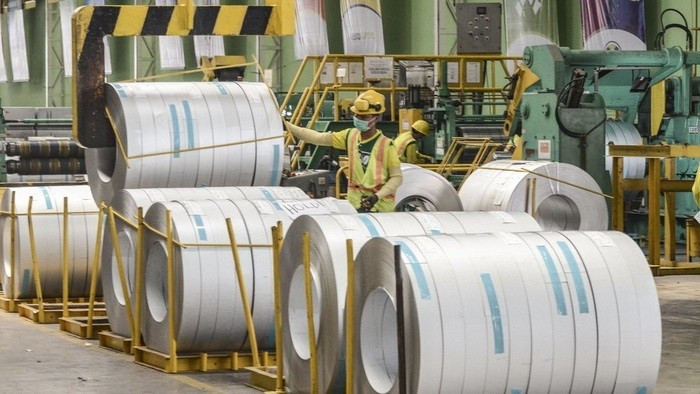
Indonesia's steel industry, primarily exporting iron and steel products, experienced a nearly 5 percent year-on-year (yoy) decline in export value from January to August 2026 due to external and internal pressures. Iron and steel products remained among Indonesia's top non-oil and gas export commodities, ranking third with a total export value of US$27.97 billion in 2025. However, both stainless steel and carbon steel faced challenges in the first half of 2026.
Stainless steel, more export-oriented, saw a $5.8 billion export value with 13.2 percent yoy growth. Carbon steel, oriented more toward the domestic market, had an export value of $2.1 billion and a 0.9 percent yoy growth. The EU's Carbon Border Adjustment Mechanism (CBAM) introduced in January 2026 impacted the export market for stainless steel, while domestic competition from low-priced products from the global market affected carbon steel.
The trade balance for iron and steel commodities contracted 11.7 percent yoy, marking the first time these commodities recorded a negative trade balance. The growing volume of carbon steel imports posed a challenge to local producers. Despite the relatively good trade performance, there were concerns about the steel industry's overall conditions, prompting discussions between the government and national iron and steel industry associations.
The stainless steel industry faces cost pressures from Europe's CBAM and potential future carbon-based trade barriers. The carbon steel industry, reliant on domestic demand, is pressured by global competition. The government has implemented antidumping duties for several steel products, but enforcement needs improvement. Energy incentives and addressing geopolitical tensions are also crucial for the steel industry's future.
The writer, an industry and regional analyst at Bank Mandiri, emphasizes the need for the government to remove obstacles to carbon tax measurement, reporting, and verification (MRV) and support the steel industry's commitment to green industry practices through ESG and renewable electricity adoption.
Rewritten by urgent.news; may contain errors — check the original.
Source: thejakartapost.com